Read before you buy.
Every number comes with its source. Every product mention says how strong the evidence is.
Nearly 1 in 3 American Adults Is Short on Sleep. Here's What the Numbers Say—and What Actually Helps
CDC, AASM, RAND and NHTSA data on how much Americans sleep, what it costs, and the five levers that research says move the needle.
How to Build a Bedroom That Puts You to Sleep: Light, Noise and Temperature, by the Evidence
What peer-reviewed studies and the Sleep Foundation say about the three physical conditions that decide whether you fall asleep—and which simple products fix each.
Melatonin, Magnesium, Weighted Blankets and the Wind-Down Ritual: What the Evidence Actually Says
An honest look at the trials behind the most popular sleep aids—melatonin, magnesium, weighted blankets, lavender and tea—plus how to build a routine that makes them work.
Your Last Coffee Needs a Nine-Hour Head Start on Bedtime
A 2023 meta-analysis puts the coffee cut-off at 8.8 hours before bed. Why you may not feel the sleep you lose, and how to time your last cup.
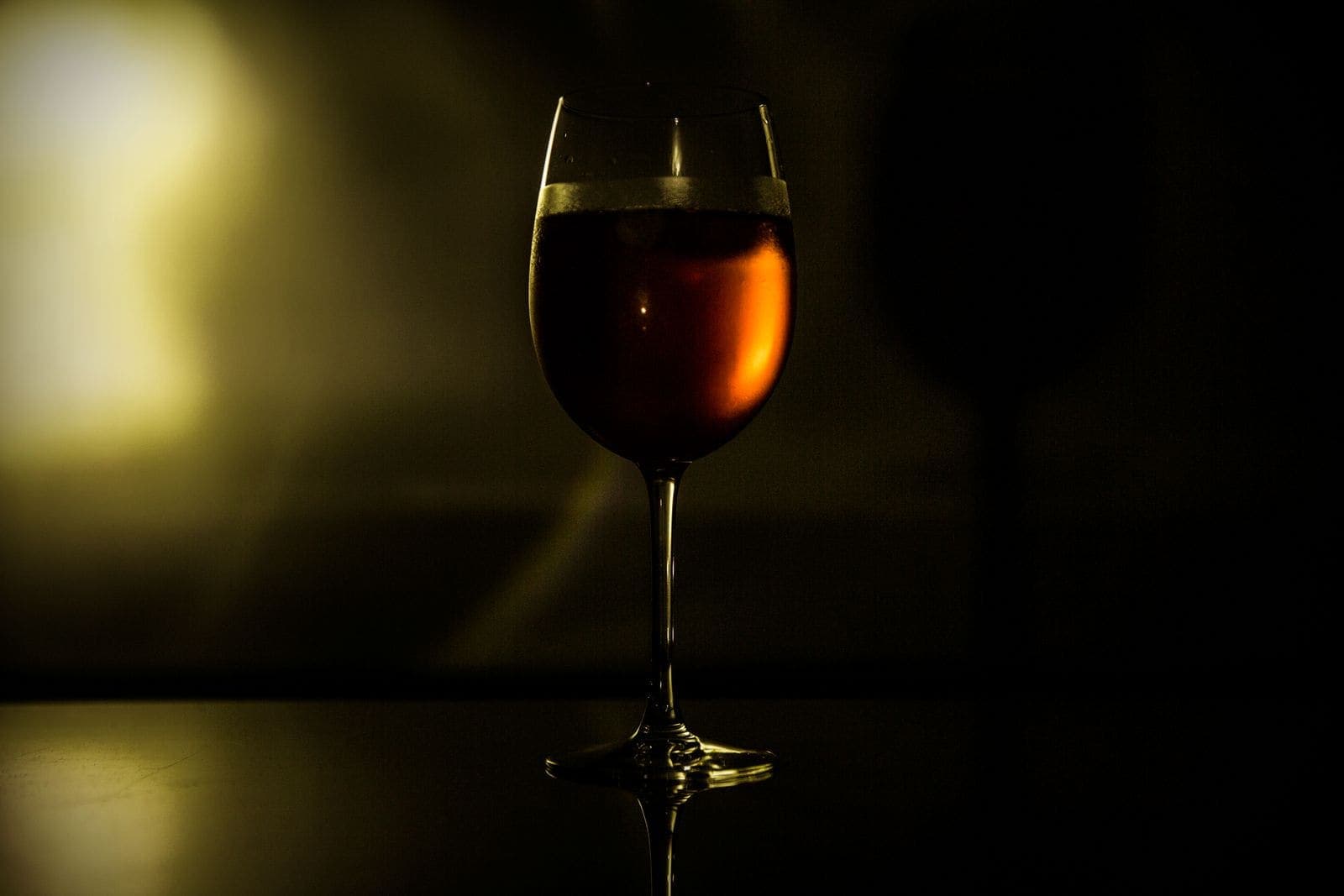
The Nightcap Problem: Two or Three Drinks Are Enough to Cut Into Your REM Sleep
Nearly one in five US adults uses alcohol to sleep. A 2025 meta-analysis of 27 studies found REM sleep delayed and cut from about two to three drinks.
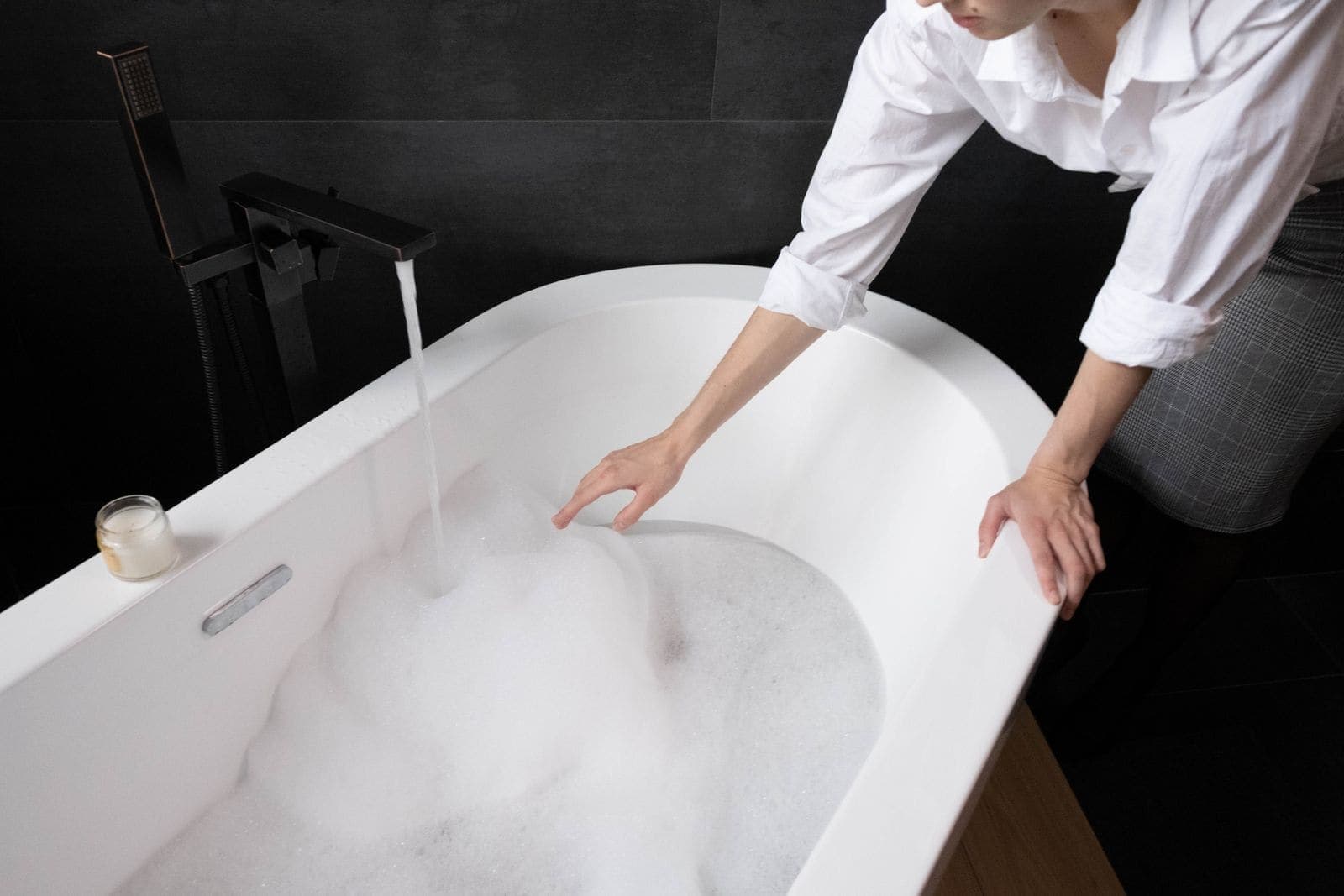
A Warm Bath an Hour or Two Before Bed Can Help You Fall Asleep Faster
Ten minutes in warm water one to three hours before bed is linked to falling asleep several minutes sooner. The evidence is modest. How to try it safely.

Evening Workouts Don't Ruin Your Sleep. Long, Hard Ones That End Late Can
Lab trials find evening exercise doesn't harm sleep. In 4 million nights of wearable data, long hard sessions ending late went with later, shorter sleep.
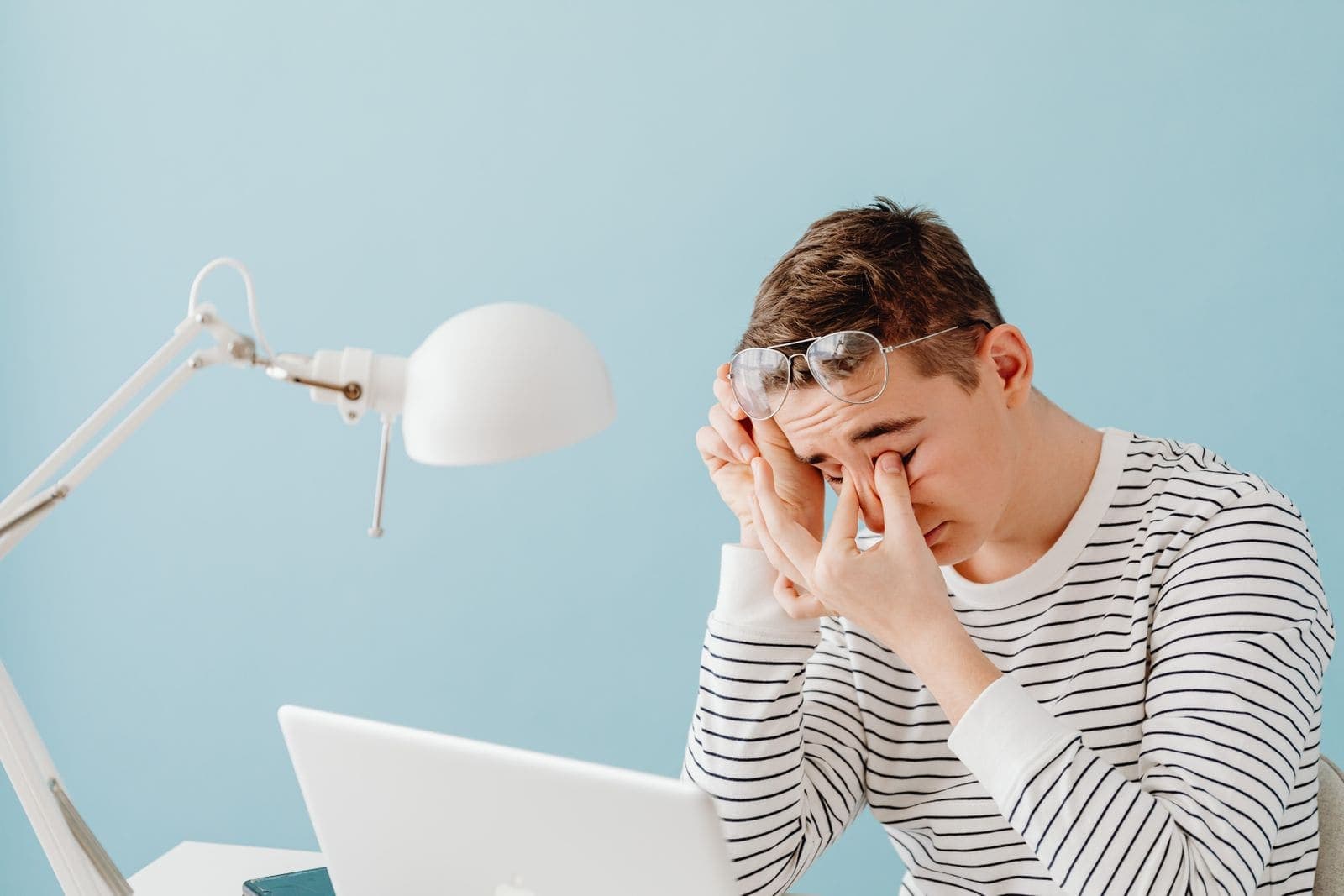
Six Hours a Night for Two Weeks: You Feel Fine. Your Reaction Time Doesn't
In a lab study, two weeks of 6-hour nights hurt attention as much as a full night with no sleep, and people barely felt it. What that means for you.