Falling asleep and staying asleep
These articles are for nights spent lying awake, at the start of the night or in the middle of it. They cover what is normal, what insomnia therapy recommends, and what the trials show for the aids people reach for.
7 articles · How we check our facts

How Long Should It Take to Fall Asleep? 30 Minutes or Less Is Good
Lying awake and counting the minutes? Here is what counts as normal, why the wait feels longer than it is, and what shortens it in trials.
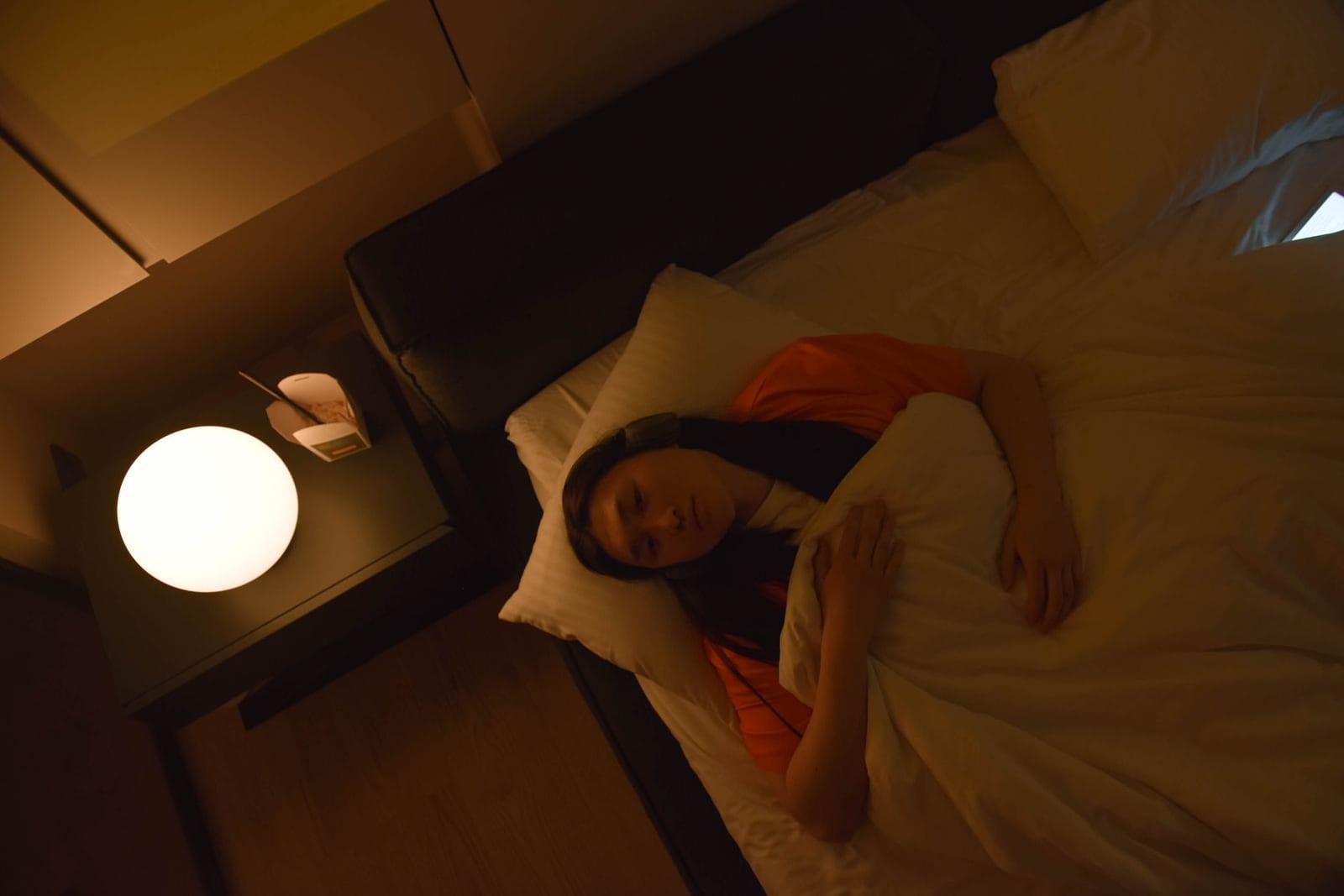
Awake at 3 a.m.? Get Up After 20 Minutes: The Rule From Insomnia Therapy
You wake at 3 a.m. and lie there. Insomnia therapy says get up after about 20 minutes. Here is the rule, what the trials show, and when to see a doctor.
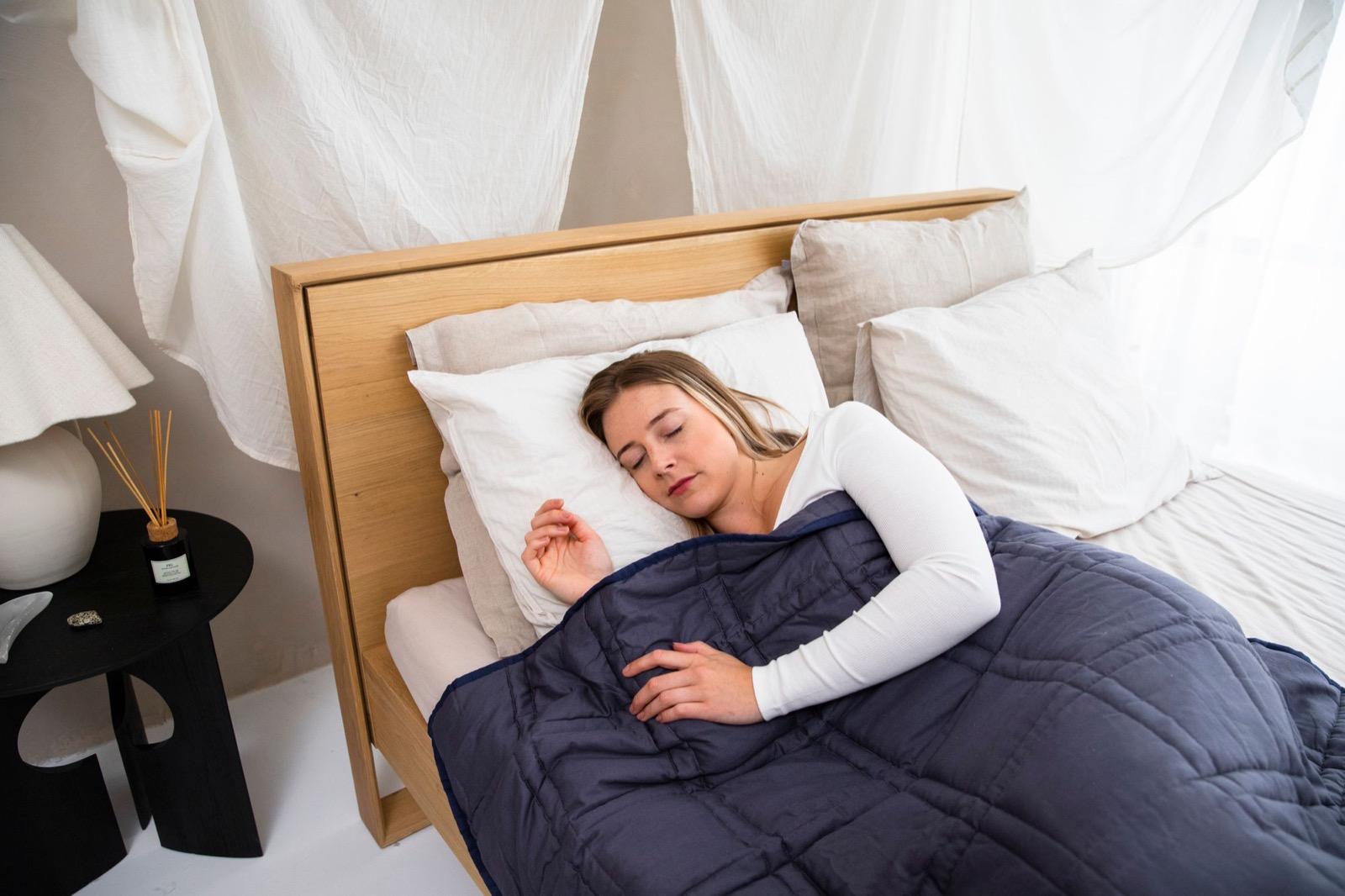
Weighted Blankets and Insomnia: One Strong Trial, and What It Doesn't Show
In a 120-patient trial, a weighted blanket halved insomnia scores for 6 in 10 people. Pooled evidence is thinner. What to expect, and who should skip one.
Melatonin, Magnesium, Weighted Blankets and the Wind-Down Ritual: What the Evidence Actually Says
An honest look at the trials behind the most popular sleep aids—melatonin, magnesium, weighted blankets, lavender and tea—plus how to build a routine that makes them work.
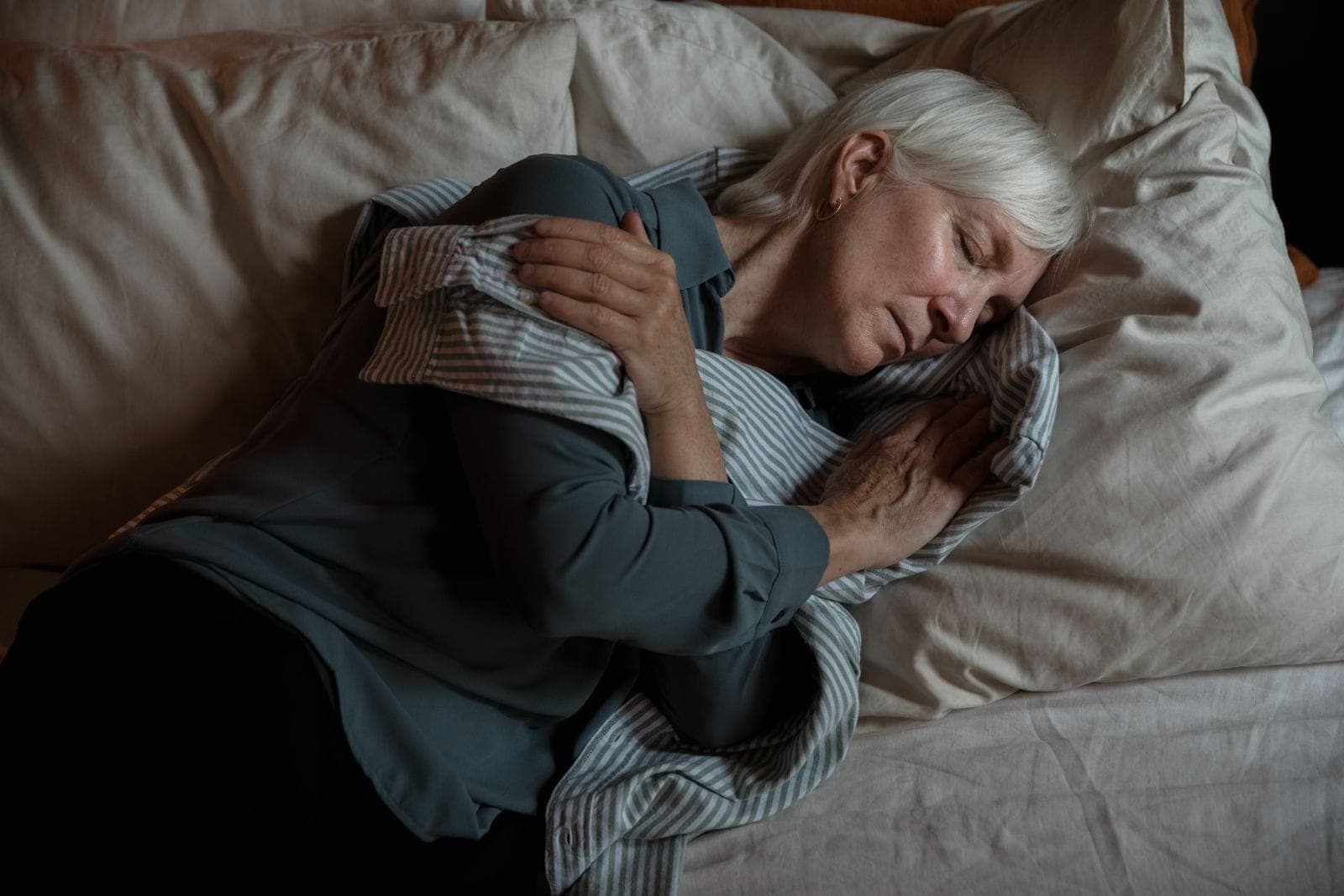
Sleep After 60: A 4-Week Behavioral Plan Helped 2 in 3 With Insomnia
Waking more at night after 60? Here is what is normal aging, what is not, and the 4-week plan that beat printed advice in a trial of older adults.

Menopause Night Sweats: The Sleep Fix That Did Best in Trials
Night sweats after menopause can last for years. What treats them, what helped sleep most in trials, and what cool bedding can and can't do.

Gifts for Someone Who Can't Sleep: Match the Gift to What Keeps Them Up
Buying for someone who sleeps badly? Match the gift to what keeps them up, and see which sleep gifts have trials behind them and which have none.