Gifts for Someone Who Can't Sleep: Match the Gift to What Keeps Them Up
Buying for someone who sleeps badly? Match the gift to what keeps them up, and see which sleep gifts have trials behind them and which have none.
In a Stockholm trial, 120 adults with long-standing insomnia took a chain blanket home for four weeks. About half got a heavy one, 17.6 lb (8 kg), or 13.2 lb (6 kg) for those who found it too much; the rest got a light 3.4 lb (1.5 kg) version, and nobody was told which one counted. After four weeks, 42% of the heavy-blanket group scored in the no-insomnia range, against 4% of the others.
Few gifts come with a result like that. Many things sold as sleep gifts have never been tested in a trial, and the ones that have work for one kind of bad night, not every kind. So before you buy, find out what actually keeps this person up.
The numbers
About 3 in 10 adults are short on sleep. In the CDC's 2024 National Health Interview Survey, 30.5% of US adults slept less than 7 hours in a 24-hour period.
15.4% struggle to fall asleep most days. The same 2024 survey found 15.4% of adults had trouble falling asleep most days or every day: 18.5% of women and 12.2% of men.
Masks helped in hospital trials; earplugs alone did not. A 2021 meta-analysis from Kaohsiung Medical University in Taiwan, of 13 randomized trials in 797 intensive care patients, found eye masks alone improved self-rated sleep, while earplugs alone made no significant difference.
About 20 minutes. In a 2010 University of Groningen home study of people who found early waking hard, those who woke to a 30-minute artificial dawn at the brighter of two settings said they felt fully awake about 20 minutes sooner than with no dawn light.
If they can't switch off: a weighted blanket
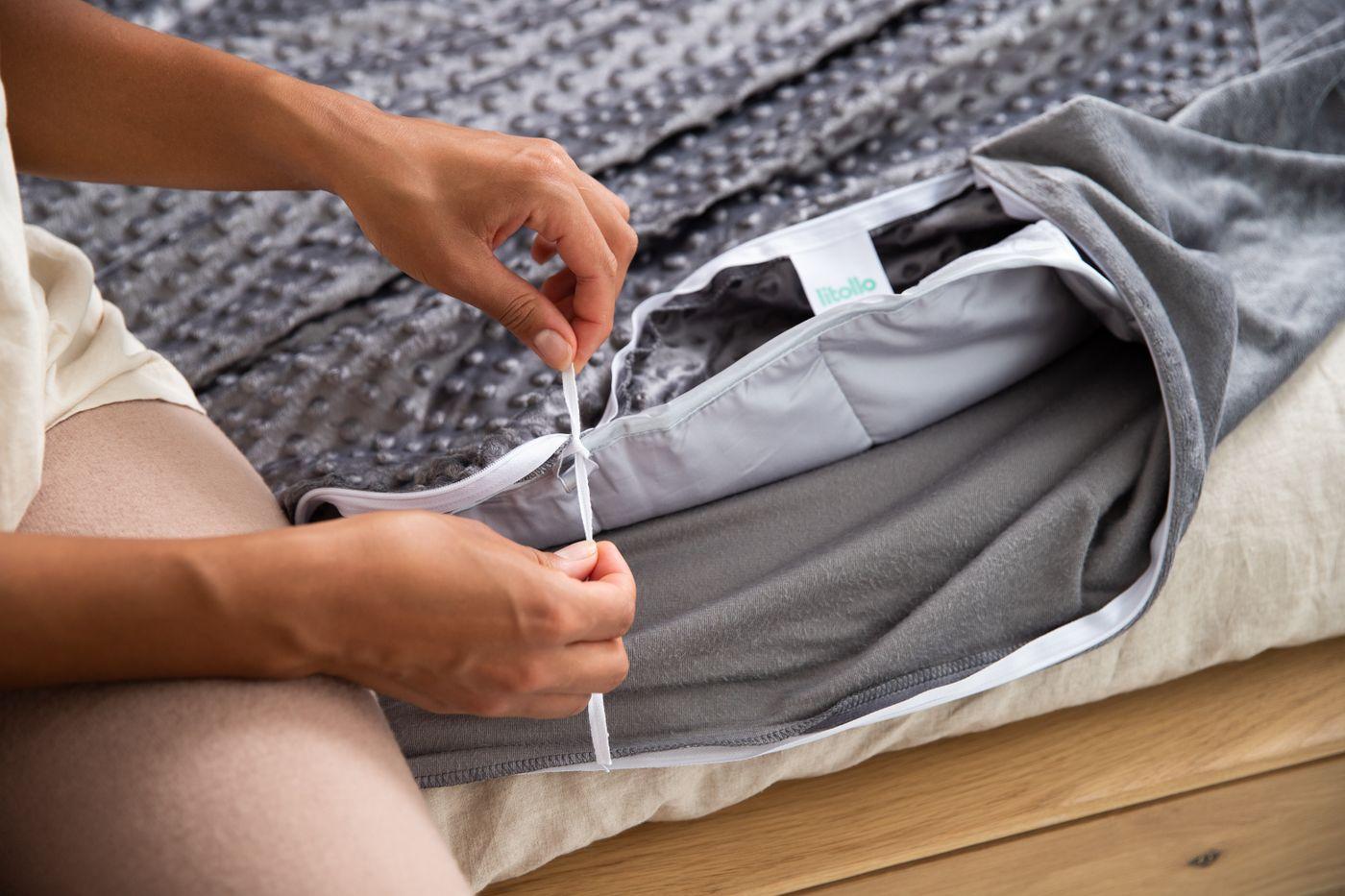
The Stockholm trial is the strongest single study behind any gift on this list. It ran in psychiatric outpatient clinics, and everyone in it had insomnia alongside depression, bipolar disorder, generalized anxiety or ADHD. The rater did not know who had which blanket. On the main measure, insomnia severity, 59% of the heavy-blanket group improved by at least half, against 5% with the light one. One person dropped out because the blanket made them anxious, and the authors declared no conflicts of interest.
What it does not show: whether the same holds for people without a psychiatric diagnosis, and wrist sensors found no rise in total sleep time for the group as a whole. We go through both limits in our look at that trial.
The buying rule is about 10% of the person's body weight. Never give one for a child under 3, or for anyone who cannot push it off on their own.
If light or noise wakes them: an eye mask, with earplugs on the side
A dark room is cheap to fake. In the pooled hospital trials, masks alone made patients rate their sleep better, and masks plus earplugs did too; earplugs on their own did not move the score. That evidence comes from intensive care units, which are loud and bright, so it may not carry over to a quiet bedroom.
At home the evidence is different: the gain shows up the next day, not in how people rate their night. In a 2023 study in SLEEP, 89 young adults who slept a week in an eye mask learned word pairs slightly better and reacted slightly faster than after a week with the light let in. How long they slept did not change, and the authors found no gain in how well people said they slept. More on both in eye masks and earplugs.
If mornings are the problem: a sunrise clock, or a light box for winter
A sunrise alarm clock brightens over half an hour before the alarm. In the Dutch home study, sleepers estimated they needed about 20 minutes less to feel fully awake with the brightest dawn. The trials are small, the dawn light did not shift the body clock, and a lamp maker helped fund them. We cover them in do sunrise alarm clocks work.
A light therapy lamp does a different job. It is a treatment for winter depression. A 2020 meta-analysis of 19 randomized, blinded trials found bright light beat placebo for seasonal affective disorder; in the 16 trials that reported response, patients were about 1.4 times as likely to respond. Most of the trials were small, and the authors rated 11 of the 19 at high risk of bias. The National Institute of Mental Health describes the standard as a 10,000-lux box used for about 30 to 45 minutes, usually first thing in the morning. Our article on light therapy lamps explains how to use one the way the trials did.
If they sleep hot
Heat costs sleep. In a 2022 University of Copenhagen observational analysis of over 7 million nights recorded by sleep-tracking wristbands in 68 countries, nights above 86°F (30°C) outdoors cost about 14 minutes of sleep, and people over 65 lost more than twice as much per degree as middle-aged adults. Cooling pillowcases and duvet covers are sold for exactly this, but we found no trial of either. Give one as a comfort, not a cure.
The gift that does not fit in a box
If someone close to you has slept badly for months, the strongest recommendation in the field is not a product. The American Academy of Sleep Medicine's 2021 guideline gives cognitive behavioral therapy for insomnia, CBT-I, its only strong recommendation. Offering to cover a course with a trained clinician may do more than anything you can wrap.
What can help: these four from our range fit the problems above best, and the evidence behind them is uneven.
- A weighted blanket for the person who can't switch off: one randomized four-week trial of 120 adults with insomnia and a psychiatric condition.
- A sleep mask for light sleepers: masks alone improved self-rated sleep in pooled hospital trials.
- A sunrise alarm clock for hard mornings: small trials, funded in part by a lamp maker, found people felt awake sooner.
- A light therapy lamp for winter depression: a pooled analysis of 19 blinded trials, most of them small, found bright light beat placebo.
Where people go wrong
Giving melatonin. Labels are unreliable: a 2017 University of Guelph analysis of 31 melatonin supplements bought in Ontario, Canada found actual content from 83% below to 478% above the dose on the label.
Guessing the blanket weight. The rule is about 10% of body weight, so ask, or include a gift receipt.
Treating loud snoring as a gadget problem. The NHLBI lists loud snoring, gasping for air and daytime sleepiness among the signs of sleep apnea, which is a reason to see a clinician, not to buy earplugs for the partner.
Giving a bright lamp without the timing. In a Harvard study, bright light before the body's nightly temperature low, evening light included, pushed the body clock later; light after the low, in the morning, pulled it earlier.
Before you wrap it
Name the problem first: can't switch off, light or noise, hard mornings, winter gloom or heat. Then match the gift to it. Check body weight before buying a blanket, and add a note on how to use the gift, because a lamp used at the wrong hour can push the body clock the wrong way, and a mask left in the drawer does nothing. Our kits put the matched items together: the Sleep Kit pairs a mask with earplugs, and the Morning Kit pairs the sunrise clock with the lamp.
This article is general information, not medical advice. If someone has slept badly for more than a few weeks, snores loudly or wakes unrefreshed every day, encourage them to talk to a doctor. Statements about dietary supplements have not been evaluated by the Food and Drug Administration, and supplements are not intended to diagnose, treat, cure or prevent any disease.
Products mentioned
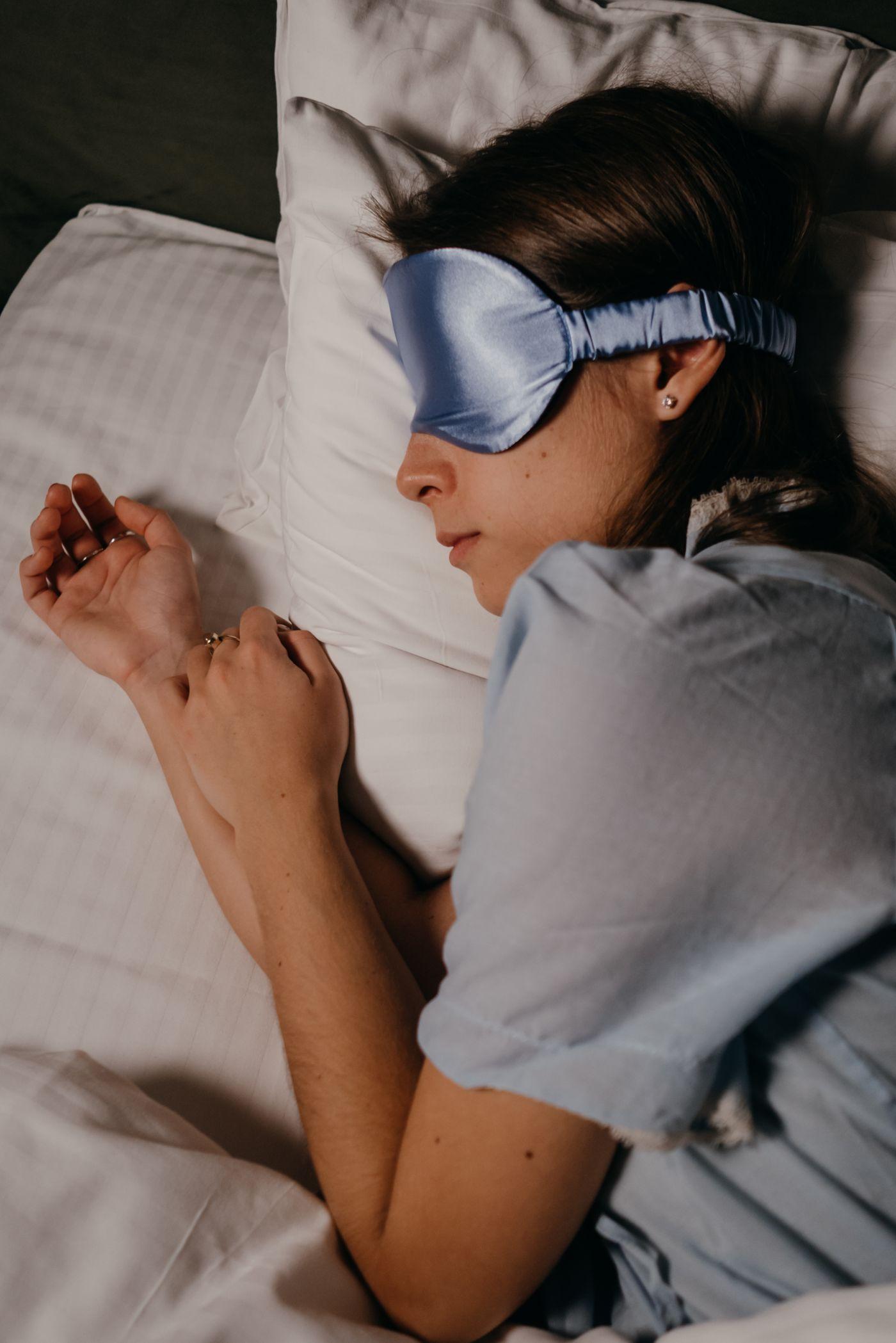
Molded eye cups, zero pressure on the eyes, no light leaks around the nose.
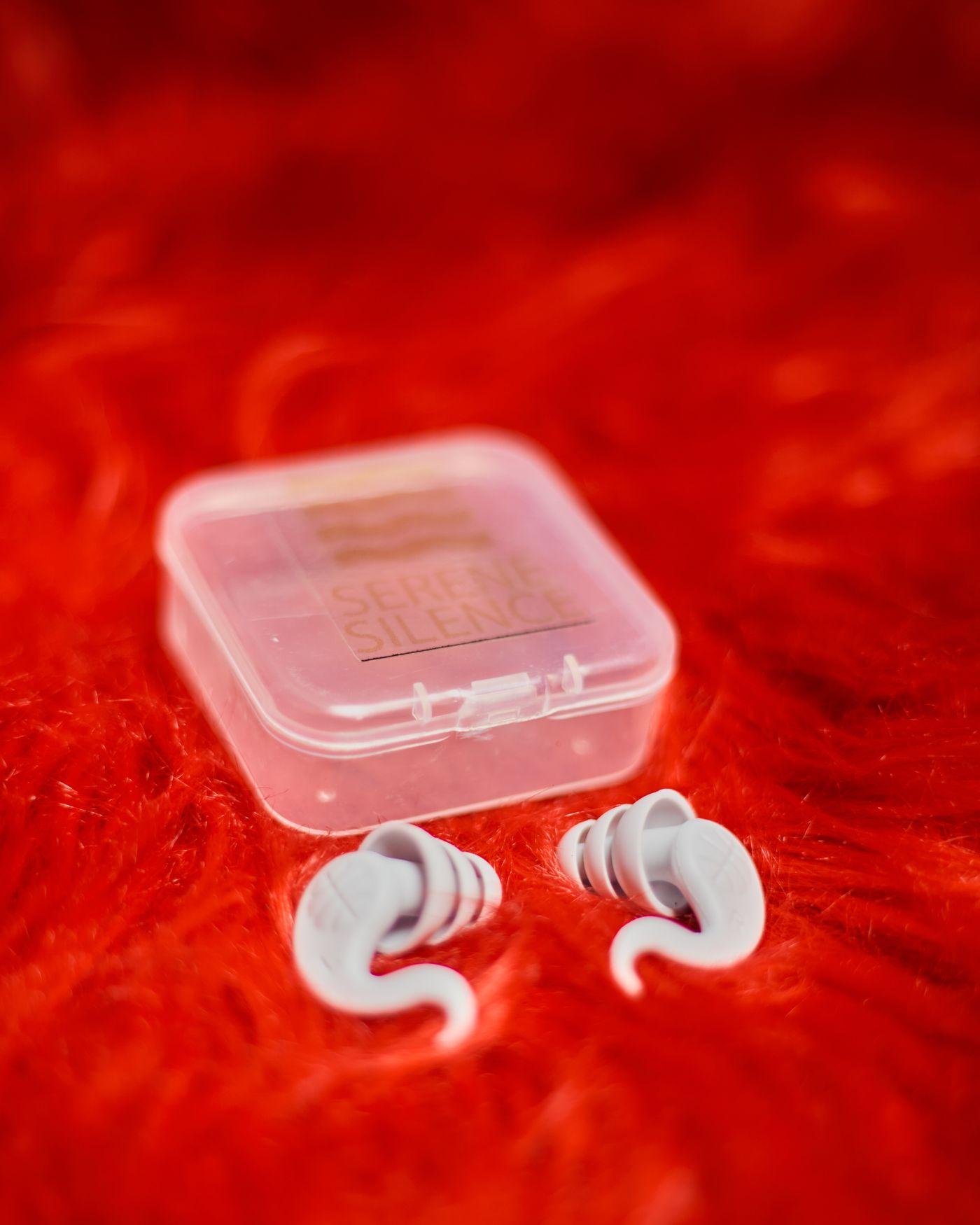
30 pairs, 33 dB rating. For snoring partners, hotels and thin walls.
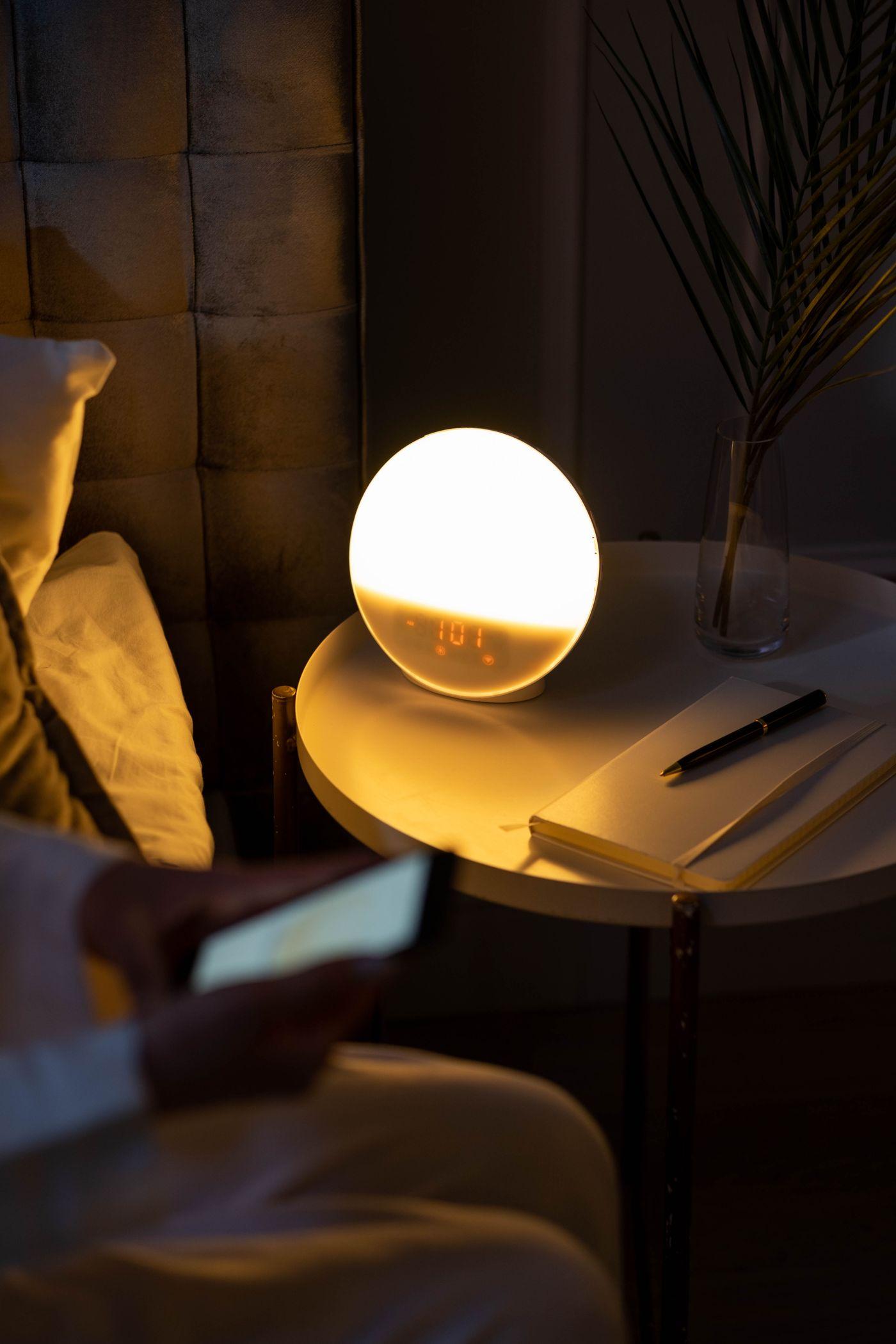
Brightens gradually over 20, 30 or 40 minutes so you wake before the sound does.
20 minutes of bright, UV-free light with breakfast anchors tonight's sleep.
Keep reading
- How to Get Over Jet Lag: Your Body Clock Moves About 1 Hour a DayLanded and wide awake at 3 a.m.? Your body clock catches up only 1 to 1.5 hours a day. Light, dark and melatonin timing can speed it up.7 min read
- Weekend Catch-Up Sleep Repaid About 1 of 12 Lost Hours in a Lab TestShort on sleep all week and sleeping in on Saturday? What lab studies show a weekend repays, what it doesn't, and how to catch up without wrecking Monday.6 min read
- Sleep 1.2 Hours More, Eat 270 Fewer Calories a Day: What the Trials ShowEating less is harder on short sleep. In a 2022 trial, adults who slept 1.2 hours longer ate 270 fewer calories a day, with no diet advice at all.7 min read
Sources
- Ng AE, Black LI, Adjaye-Gbewonyo D (2026). Short Sleep Duration and Sleep Difficulties Among Adults: United States, 2024. NCHS Data Brief No. 559 — https://www.cdc.gov/nchs/products/databriefs/db559.htm
- Ekholm B, Spulber S, Adler M (2020). A randomized controlled study of weighted chain blankets for insomnia in psychiatric disorders. Journal of Clinical Sleep Medicine, 16(9):1567–1577 — https://pubmed.ncbi.nlm.nih.gov/32536366/
- Fang CS, Wang HH, Wang RH, Chou FH, Chang SL, Fang CJ (2021). Effect of earplugs and eye masks on the sleep quality of intensive care unit patients: a systematic review and meta-analysis. Journal of Advanced Nursing, 77(11):4321–4331 — https://pubmed.ncbi.nlm.nih.gov/34096647/
- Greco V, Bergamo D, Cuoccio P, Konkoly KR, Muñoz Lombardo K, Lewis PA (2023). Wearing an eye mask during overnight sleep improves episodic learning and alertness. SLEEP, 46(3):zsac305 — https://pubmed.ncbi.nlm.nih.gov/36521010/
- Giménez MC, Hessels M, van de Werken M, de Vries B, Beersma DG, Gordijn MC (2010). Effects of artificial dawn on subjective ratings of sleep inertia and dim light melatonin onset. Chronobiology International, 27(6):1219–1241 — https://pubmed.ncbi.nlm.nih.gov/20653451/
- Pjrek E, Friedrich ME, Cambioli L, et al. (2020). The efficacy of light therapy in the treatment of seasonal affective disorder: a meta-analysis of randomized controlled trials. Psychotherapy and Psychosomatics, 89(1):17–24 — https://pubmed.ncbi.nlm.nih.gov/31574513/
- National Institute of Mental Health (revised 2023). Seasonal Affective Disorder, NIH Publication No. 23-MH-8138 — https://www.nimh.nih.gov/health/publications/seasonal-affective-disorder
- Minor K, Bjerre-Nielsen A, Jonasdottir SS, Lehmann S, Obradovich N (2022). Rising temperatures erode human sleep globally. One Earth, 5(5):534–549 — https://doi.org/10.1016/j.oneear.2022.04.008
- Edinger JD, Arnedt JT, Bertisch SM, et al. (2021). Behavioral and psychological treatments for chronic insomnia disorder in adults: an American Academy of Sleep Medicine clinical practice guideline. Journal of Clinical Sleep Medicine, 17(2):255–262 — https://pubmed.ncbi.nlm.nih.gov/33164742/
- National Heart, Lung, and Blood Institute. Sleep Apnea: Symptoms — https://www.nhlbi.nih.gov/health/sleep-apnea/symptoms
- Khalsa SBS, Jewett ME, Cajochen C, Czeisler CA (2003). A phase response curve to single bright light pulses in human subjects. Journal of Physiology, 549(3):945–952 — https://pubmed.ncbi.nlm.nih.gov/12717008/
- Erland LA, Saxena PK (2017). Melatonin natural health products and supplements: presence of serotonin and significant variability of melatonin content. Journal of Clinical Sleep Medicine, 13(2):275–281 — https://pubmed.ncbi.nlm.nih.gov/27855744/