How to Get Over Jet Lag: Your Body Clock Moves About 1 Hour a Day
Landed and wide awake at 3 a.m.? Your body clock catches up only 1 to 1.5 hours a day. Light, dark and melatonin timing can speed it up.
In a study published in 2003, 28 volunteers in Chicago rehearsed an eastward flight without leaving the city. For 3 days they went to bed and got up 1 hour earlier each day, and some sat in front of a bright light box for the first 3.5 hours after waking. By the end, the body clocks of the group that sat in continuous bright light had moved about 2 hours earlier, and those with light in half-hour bursts about 1.5 hours, with less than an hour of lost sleep. Those who woke into ordinary room light moved just over half an hour.
Jet lag comes from your internal clock staying on home time and moving on its own schedule. Light, darkness and, for some people, melatonin nudge it along.
The numbers
About 1 hour a day going east, 1.5 going west. The CDC's 2026 Yellow Book gives these average rates at which the body clock adapts to a new time zone. A New York to Paris trip crosses 6 time zones, so the clock needs close to a week to catch up fully if you do nothing.
68% of international business travelers. The same 2026 CDC chapter cites a recent survey in which 68% said they had negative jet lag symptoms on a regular basis. It also notes that data on how common jet lag is are limited.
8 of 10 trials. A 2002 Cochrane review of 10 randomized trials, last amended in 2008, found that in 8 of them, melatonin taken close to bedtime at the destination reduced jet lag after flights across 5 or more time zones.
Why east is harder than west
Your clock runs on a cycle slightly longer than 24 hours, so on its own it drifts later. Flying west asks it to do what it already wants: stay up a little later. Flying east asks it to move earlier, against its natural drift. That is at least part of why the CDC rates differ. Most of the melatonin trials in the American Academy of Sleep Medicine's practice parameters were on eastward trips.
There is a second trap going east. Light in the hours before your body's temperature low point, which falls in the early morning on home time, pushes the clock later; light after that point pushes it earlier. After a long flight east, bright morning sun at the destination can land on the wrong side of that point. A review from the Chicago lab describes a study in which 7 of 8 travelers who flew 11 time zones east shifted the wrong way, adjusting by delaying instead of advancing.
Light: when to get it and when to avoid it
The CDC says light "can play a key role" in shortening jet lag. Going east, the CDC advises bright light early in the day and avoiding light in the evening. Going west, it advises avoiding bright light in the early morning; evening light, it notes, generally shifts the clock later. Its in-flight guidance for eastward trips suggests closing the window shade or wearing dark sunglasses in the evening.
Better still, start before you leave. The CDC suggests shifting your sleep by about 1 hour a day for 2 to 3 days before the trip: earlier for eastward travel, later for westward. In the Chicago study, sleep moved 1 hour earlier each day, and the group that sat in about 6,300 lux of light from a light box, roughly 16 inches away, shifted the most. Its jet lag scores stayed near their starting level. The authors were plain about the limits: the volunteers were young and healthy, nobody actually flew, more than 3 days would be needed for a long eastward trip. The light boxes were donated by their maker.
For trips of less than 2 days, the CDC says to avoid adapting to the new time zone at all.

Melatonin: timing matters more than dose
Your body makes melatonin in the evening; a well-timed pill signals that evening has come, which helps the clock shift.
In the four Cochrane trials pooled for eastward flights, three of which started doses on or before the day of the flight, people on melatonin scored 31 on a 100-point jet lag scale, against 51 on placebo. In the two trials that reported individual results (both started doses on or before the day of the flight), 16 of 24 people on placebo had severe jet lag after an eastward transatlantic flight, compared with 4 of 23 on melatonin. Doses from 0.5 to 5 mg worked about equally well, though 5 mg helped people fall asleep faster. Doses above 5 mg appeared no more effective.
The evidence has gaps. The trials date from 1987 to 2000, and the largest, with 257 people, found no benefit, which the reviewers put down to its design. Side effects were poorly reported. Sleepiness affected about 10% of people in 5 studies, and taking melatonin at the wrong time of day can cause sleepiness and delay adjustment. The reviewers flagged case reports involving epilepsy and warfarin.
The CDC says 0.5 to 1 mg is often enough to shift the clock, advises against more than 5 mg, and points out that melatonin is not regulated by the Food and Drug Administration, so what is in the bottle can vary. In a second Chicago study, adding 0.5 mg of melatonin in the afternoon to morning light and an earlier schedule moved the clock 2.5 hours in 3 days, against 1.7 hours with placebo; 3 mg did no better than 0.5 mg. The melatonin and placebo pills were supplied by a supplement company, and the light boxes were donated by their maker. Our melatonin and wind-down guide covers the basics.
What can help: These are tools for the light-and-dark part of the plan. None was tested on travelers with jet lag.
- 10,000-lux light therapy lamp: the pre-flight trials used light boxes averaging about 5,000 to 6,300 lux at the eye, for 3.5 hours after waking, in young adults in a lab; for winter mornings before an eastward trip, when it is still dark outside.
- Sleep mask: blocks light when your plan says avoid it, on the plane or in a bright hotel room; in a Cardiff study of young adults at home, a mask brought small gains in learning and alertness without adding sleep.
- Foam earplugs: for a noisy cabin or hotel; there is no jet lag evidence for them, and our review of masks and earplugs explains what the hospital studies found.
Where people go wrong
Chasing every sunrise after flying east. After a long eastward flight, early morning light at the destination may still fall before your body's low point. A jet lag calculator, which the CDC mentions, can work out which hours to seek light and which to avoid for your route.
Taking melatonin whenever you feel tired. Early in the day it can make you sleepy and slow the shift. Ask a clinician first if you take a blood thinner such as warfarin, have epilepsy, or want to give it to a child.
Leaning on sleeping pills. The AASM says short-term use of a prescription sleeping pill such as zolpidem can treat jet lag insomnia, though side effects must be weighed and its effect on daytime symptoms has not been adequately studied, and the CDC advises against long-acting sedatives and antihistamines. Discuss any of them with a doctor.
Long naps and late coffee. The CDC suggests naps of 20 to 30 minutes (why short naps work); longer ones can steal from the night. Caffeine helps with daytime sleepiness, but avoid it in the hours before bed.
Your jet lag plan
- Under 2 days away: stay on home time.
- For 2 to 3 days before a long trip, move sleep 1 hour a day toward the destination.
- Going east: morning light, dim evenings. Going west: evening light, dim early mornings.
- If you use melatonin, take a low dose at the destination's bedtime.
- Keep naps short and caffeine early. Expect about a day per time zone going east.
This article is general information, not medical advice. If you take medicines, are pregnant, have a sleep disorder, or travel often enough that jet lag affects your health or work, talk to a clinician before using melatonin or sleeping pills. These statements have not been evaluated by the Food and Drug Administration. This product is not intended to diagnose, treat, cure or prevent any disease.
Products mentioned
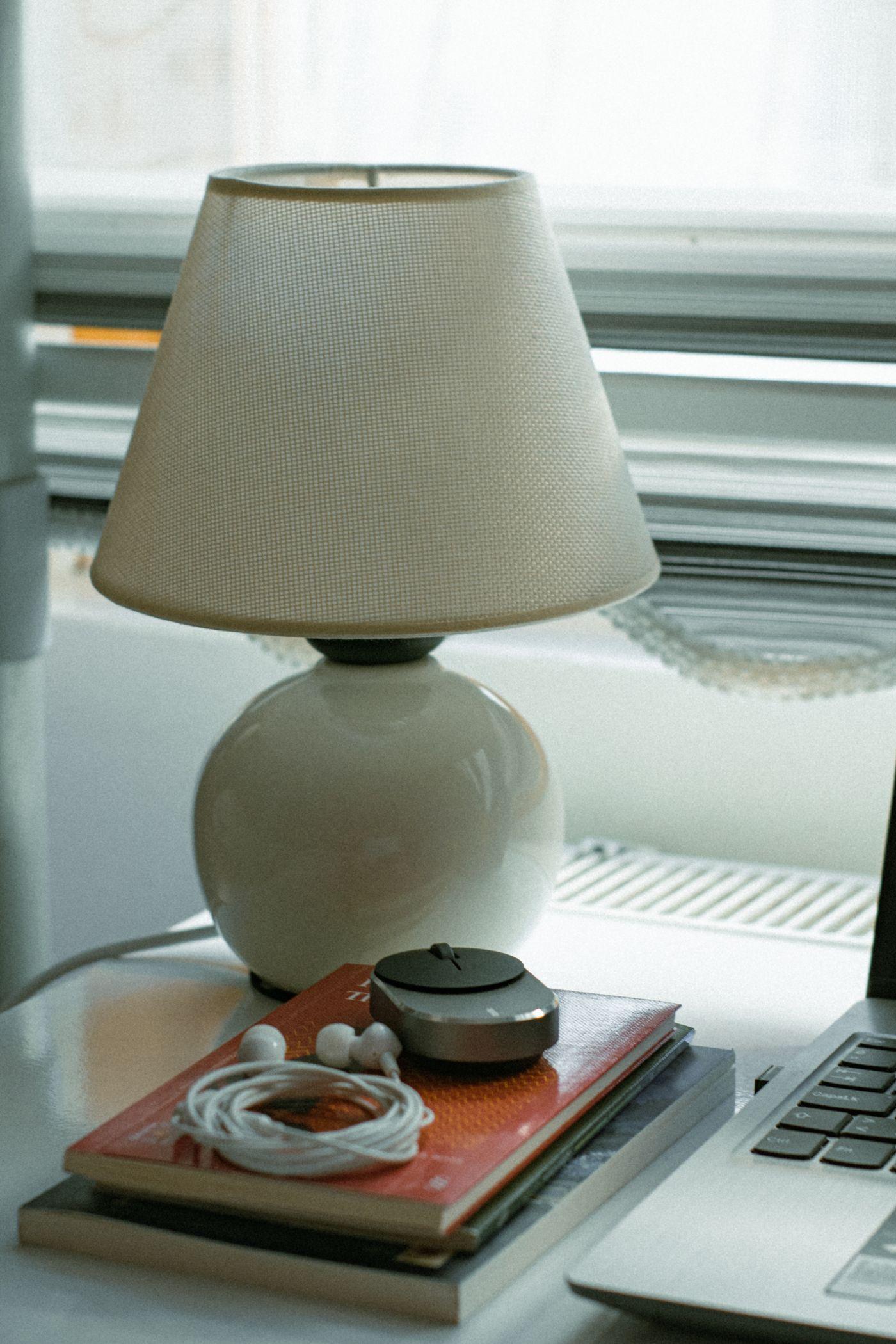
20 minutes of bright, UV-free light with breakfast anchors tonight's sleep.
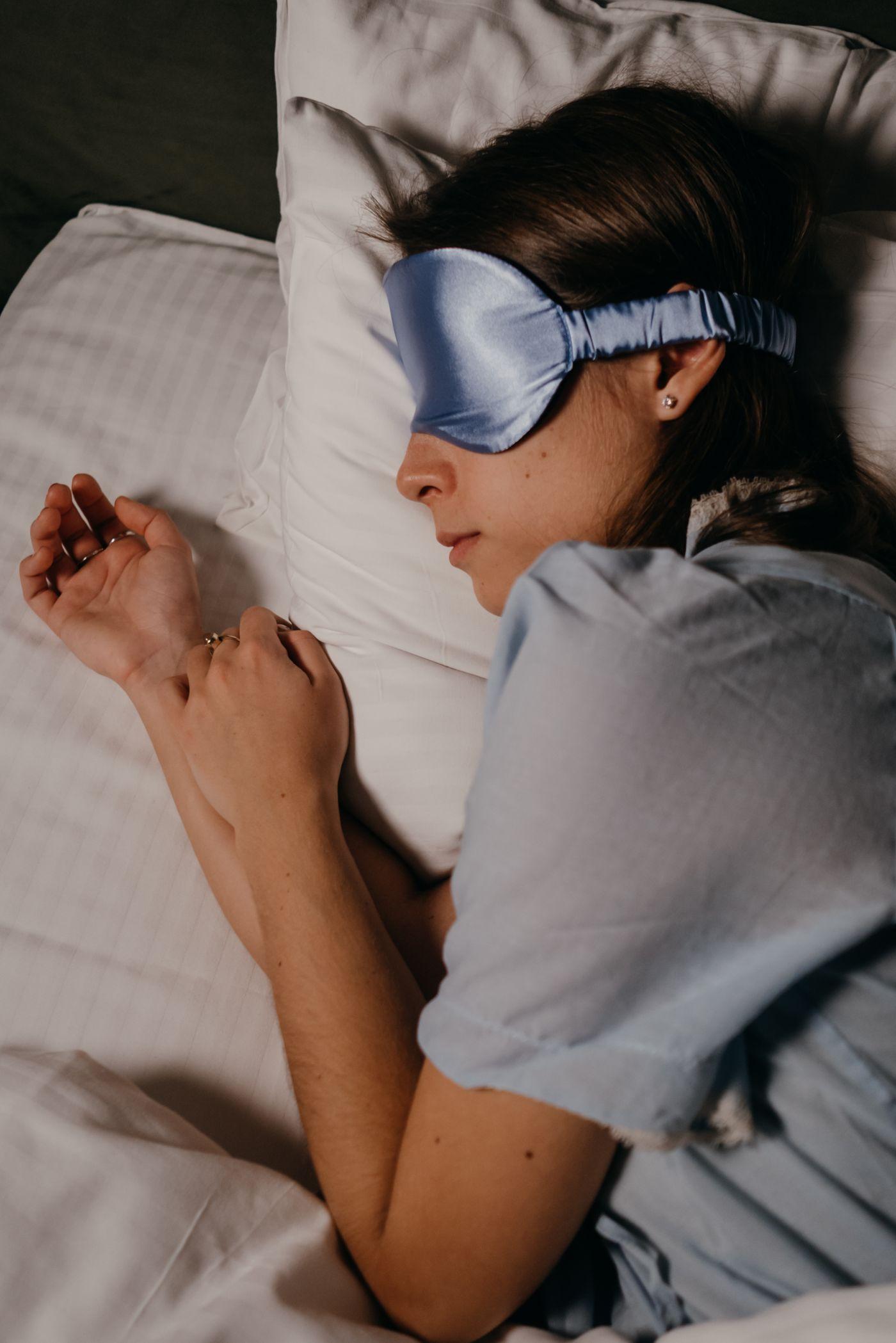
Molded eye cups, zero pressure on the eyes, no light leaks around the nose.
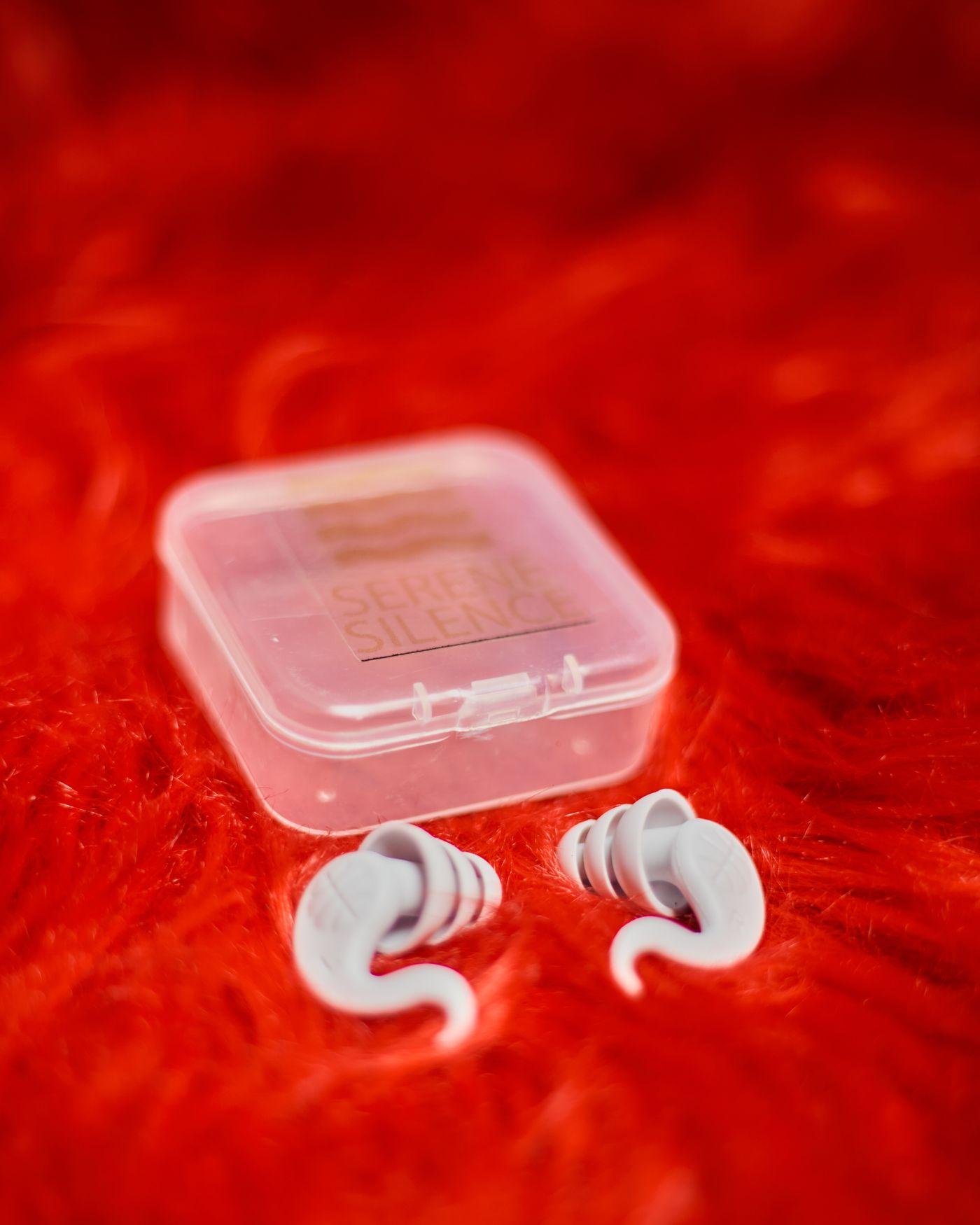
30 pairs, 33 dB rating. For snoring partners, hotels and thin walls.
Keep reading
- Gifts for Someone Who Can't Sleep: Match the Gift to What Keeps Them UpBuying for someone who sleeps badly? Match the gift to what keeps them up, and see which sleep gifts have trials behind them and which have none.6 min read
- Nap for 10 to 20 Minutes: Why 30 Is Where the Grogginess StartsWake from naps groggy? In a 24-person trial, 10 minutes helped at once, 20 helped after a delay and 30 brought grogginess first. How long and when to nap.6 min read
- How Much Sleep You Need by Age: Only 1 in 4 High Schoolers Gets ItFrom 14 to 17 hours for a newborn to 7 or more for most adults: the official chart by age, where its numbers come from, and how to plan your own night.6 min read
Sources
- Riedy SM, Williams SG (2025). Jet Lag Disorder. CDC Yellow Book 2026: Health Information for International Travel — https://www.cdc.gov/yellow-book/hcp/travel-air-sea/jet-lag-disorder.html
- Herxheimer A, Petrie KJ (2002). Melatonin for the prevention and treatment of jet lag. Cochrane Database of Systematic Reviews, (2):CD001520 (amended 2008) — https://pmc.ncbi.nlm.nih.gov/articles/PMC8958662/
- Morgenthaler TI, Lee-Chiong T, Alessi C, et al. (2007). Practice parameters for the clinical evaluation and treatment of circadian rhythm sleep disorders. Sleep, 30(11):1445–1459 — https://pubmed.ncbi.nlm.nih.gov/18041479/
- Burgess HJ, Crowley SJ, Gazda CJ, Fogg LF, Eastman CI (2003). Preflight adjustment to eastward travel: 3 days of advancing sleep with and without morning bright light. Journal of Biological Rhythms, 18(4):318–328 — https://pubmed.ncbi.nlm.nih.gov/12932084/
- Revell VL, Burgess HJ, Gazda CJ, Smith MR, Fogg LF, Eastman CI (2006). Advancing human circadian rhythms with afternoon melatonin and morning intermittent bright light. Journal of Clinical Endocrinology & Metabolism, 91(1):54–59 — https://pubmed.ncbi.nlm.nih.gov/16263827/
- Eastman CI, Burgess HJ (2009). How to travel the world without jet lag. Sleep Medicine Clinics, 4(2):241–255 — https://pubmed.ncbi.nlm.nih.gov/20204161/
- Greco V, Bergamo D, Cuoccio P, Konkoly KR, Muñoz Lombardo K, Lewis PA (2023). Wearing an eye mask during overnight sleep improves episodic learning and alertness. SLEEP, 46(3):zsac305 — https://pubmed.ncbi.nlm.nih.gov/36521010/