Melatonin, Magnesium, Weighted Blankets and the Wind-Down Ritual: What the Evidence Actually Says
An honest look at the trials behind the most popular sleep aids—melatonin, magnesium, weighted blankets, lavender and tea—plus how to build a routine that makes them work.
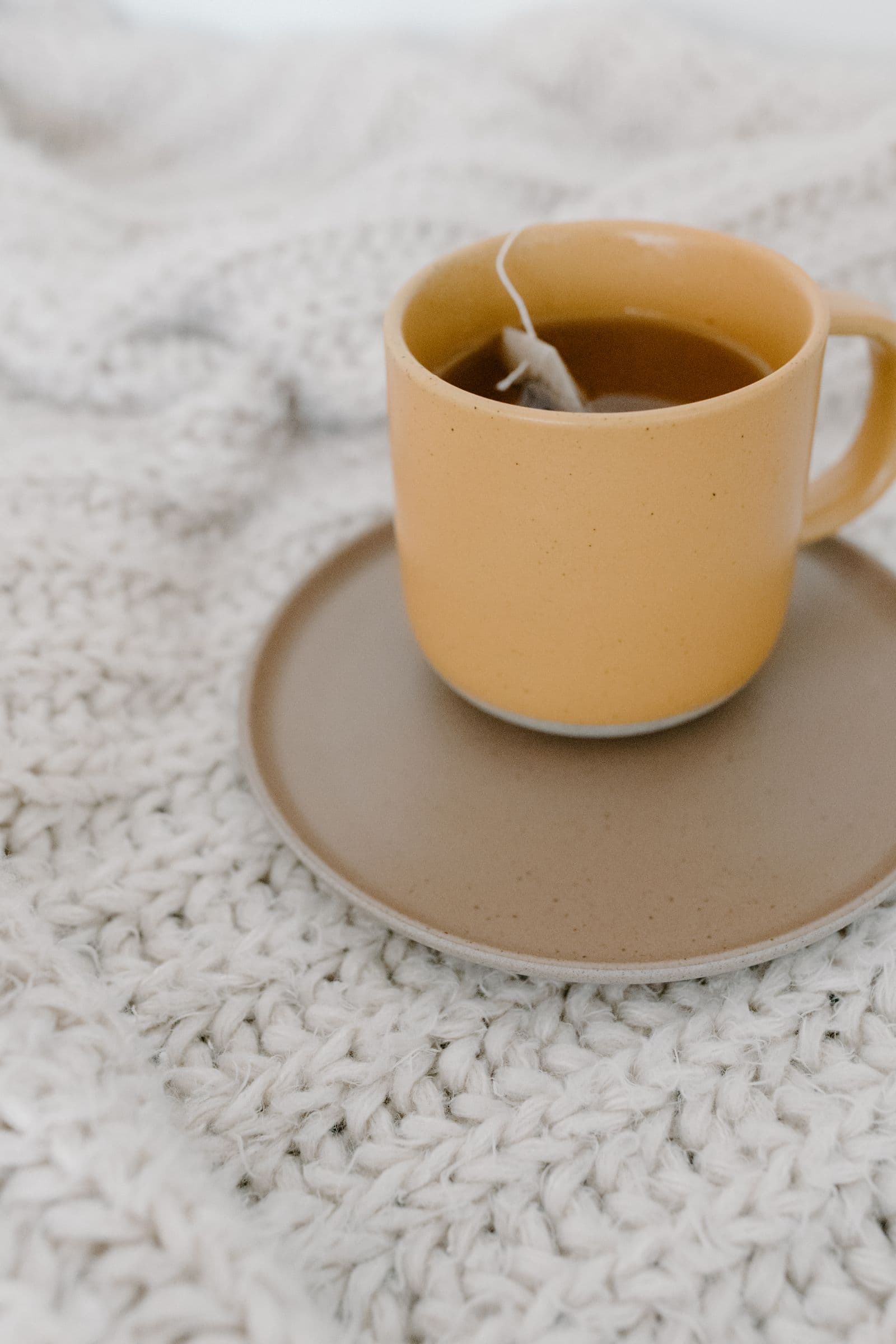
Walk down the sleep aisle of any US pharmacy and you'll find melatonin gummies in doses up to 10 mg, magnesium in six forms, "sleep" teas, pillow mists and, increasingly, weighted blankets. Americans are buying all of it. What's hard to find is a plain answer to the question: does it work?
Here is what the trials say, product by product, and then how to put the ones that do work into a routine.
Melatonin: popular, modestly useful, badly dosed
Melatonin is a hormone your brain releases in the evening as a "darkness signal." As a supplement it is best understood as a timing tool, not a sedative.
Use has exploded. A 2022 research letter in JAMA analyzing national survey data found that melatonin use among US adults rose from 0.4 % in 1999–2000 to 2.1 % in 2017–2018—about a five-fold increase. More worrying, use of doses above 5 mg went from essentially zero to 0.28 % over that period, more than tripling since 2005.
Doses are often higher than needed—and labels are unreliable. Physiological evening melatonin levels are tiny; clinical studies of jet lag and delayed sleep phase typically use 0.5–3 mg. A 2017 analysis in the Journal of Clinical Sleep Medicine tested 31 melatonin products and found actual content ranged from 83 % below to 478 % above the label, with some products also containing serotonin.
Where it fits. The American Academy of Sleep Medicine's guidelines recommend cognitive behavioral therapy for insomnia (CBT-I) as first-line treatment for chronic insomnia, and do not recommend melatonin as a primary treatment for it. Where melatonin has reasonable support is in shifting sleep timing: jet lag, night-shift transitions, and a bedtime that has drifted late. For those uses, a small dose (0.5–1 mg) taken two to three hours before the target bedtime is the evidence-based pattern—not 10 mg at midnight.
What can help: a low-dose melatonin (1 mg or less) from a cGMP-certified manufacturer with third-party testing, used for timing, not as a nightly sedative. Talk to a doctor before giving it to children or if you take other medications.
Magnesium: real but small effects, honest about the evidence
Magnesium is involved in the signaling that calms the nervous system, and many Americans don't hit the recommended intake from food. That has made it the internet's favorite sleep mineral. The research is thinner than the hype.
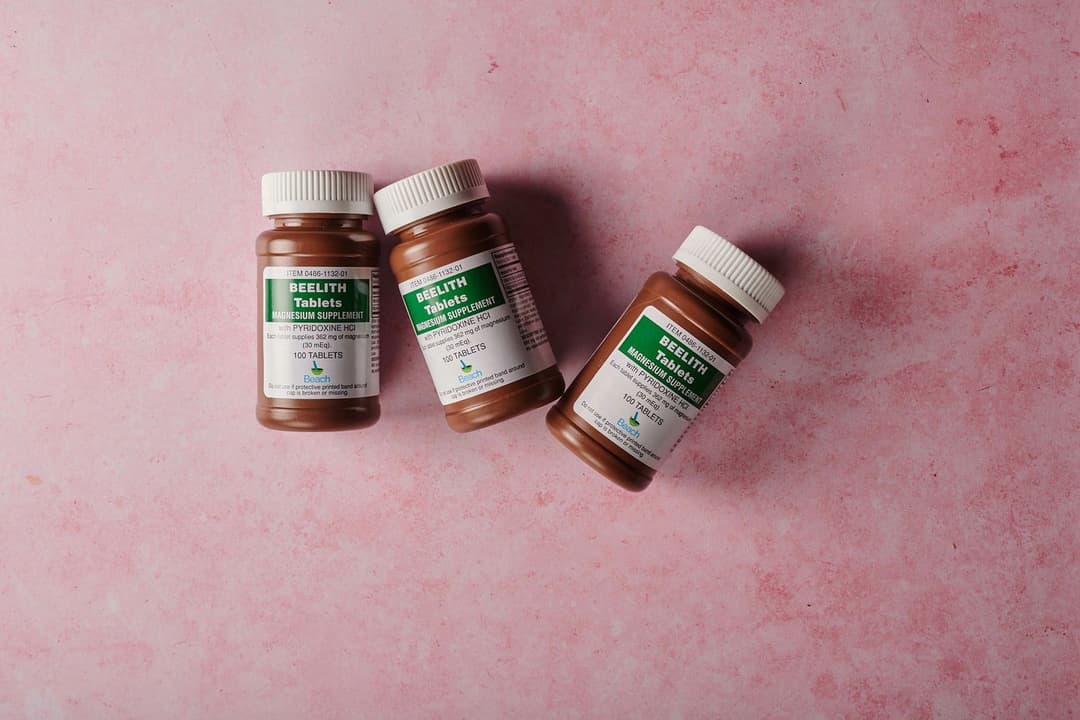
- A 2021 systematic review and meta-analysis in BMC Complementary Medicine and Therapies pooled three randomized trials in 151 older adults with insomnia. Magnesium shortened the time to fall asleep by an average of 17.4 minutes versus placebo. Total sleep time rose by 16 minutes, which was not statistically significant. The authors rated the evidence low to very low quality and said it was not enough for firm clinical recommendations.
- A 2025 randomized, placebo-controlled trial of magnesium bisglycinate in healthy adults reporting poor sleep found a larger drop in Insomnia Severity Index scores than placebo after four weeks (−3.9 vs −2.3 points), a statistically significant but modest effect.
The honest summary: magnesium glycinate (or bisglycinate) is well tolerated, cheap, and may help some people fall asleep a bit faster, especially if their diet is low in magnesium. It is not a sleeping pill, and the glycinate form is preferred over oxide or citrate because it is gentler on the stomach.
What can help: magnesium glycinate, 200–300 mg in the evening, or a combined sleep support capsule that keeps magnesium as the base and melatonin low. Avoid "mega-dose" products.
Weighted blankets: the strongest trial on this list
Weighted blankets apply gentle, even pressure—the same principle as swaddling. For years the evidence was anecdotal. Then came a proper trial.
In a 2020 randomized controlled study published in the Journal of Clinical Sleep Medicine, 120 patients with insomnia and a psychiatric diagnosis (major depression, bipolar disorder, generalized anxiety or ADHD) used either a weighted chain blanket or a light plastic-chain blanket for four weeks. The weighted-blanket group was about 26 times more likely to see their insomnia severity score fall by half or more, and nearly 20 times more likely to reach remission. In a 12-month open follow-up, 92 % of weighted-blanket users were responders and 78 % were in remission.
Caveats matter: the participants all had psychiatric conditions, so the result may not transfer to everyone, and blinding is hard when one blanket is obviously heavier. A smaller 2024 pilot trial in adults with insomnia found more modest improvements. Still, for people whose problem is a body that won't settle, this is the best-supported non-drug product available.
Safety rules: choose roughly 10 % of body weight; never use for children under 3 or anyone who cannot remove the blanket on their own; check with a clinician if you have breathing or circulation issues.
What can help: a 15 lb weighted blanket for most adults in the 130–170 lb range, 20 lb above that, with a removable washable cover.
Lavender, tea and the ritual itself
Here the science is softer, and it's fair to say so. Small trials suggest lavender aroma can modestly improve self-reported sleep quality and relaxation; chamomile has a similar, modest literature. Neither will overcome a 10 p.m. espresso.

What the behavioral research is clear about is conditioning. CBT-I, the treatment with the best evidence for chronic insomnia, works largely by rebuilding the association between bed, a fixed routine and sleep. A scent on the pillow, a warm caffeine-free drink, dimmed lights and the same 20-minute sequence every night become a cue the nervous system learns to obey. The products are the props; the consistency is the active ingredient.
What can help: a lavender pillow spray used only at bedtime (so the scent means one thing), a chamomile and lemon-balm tea, and amber glasses if the routine includes a screen.
Three things no supplement can fix
- Caffeine timing. In a 2013 Journal of Clinical Sleep Medicine study, 400 mg of caffeine (about two large coffees) taken even six hours before bed cut total sleep by more than an hour—and participants didn't notice. Caffeine's half-life is about five hours; an afternoon cutoff is not optional.
- Alcohol. It speeds sleep onset and then fragments the second half of the night, cutting REM. A nightcap is a loan at a bad interest rate.
- Irregular timing. The clock cares more about a consistent wake-up time than about the occasional late night. Pick a wake time, keep it seven days a week, and let bedtime follow.
The honest ranking
If we had to rank these by the strength of the evidence for a typical adult who struggles to settle:
- A fixed wind-down routine and a consistent wake time (CBT-I principles)
- A weighted blanket, for people whose body won't settle
- Low-dose melatonin, for timing problems specifically
- Magnesium glycinate, small benefit, low risk
- Lavender and herbal tea, as cues in the routine
Build from the top of the list down. The props help—but only once the routine exists for them to hang on.
This article is for general information and does not replace medical advice. Talk to a clinician before starting any supplement, especially if you are pregnant, take medications, or are considering melatonin for a child. Statements about dietary supplements have not been evaluated by the Food and Drug Administration; these products are not intended to diagnose, treat, cure or prevent any disease.
Products mentioned
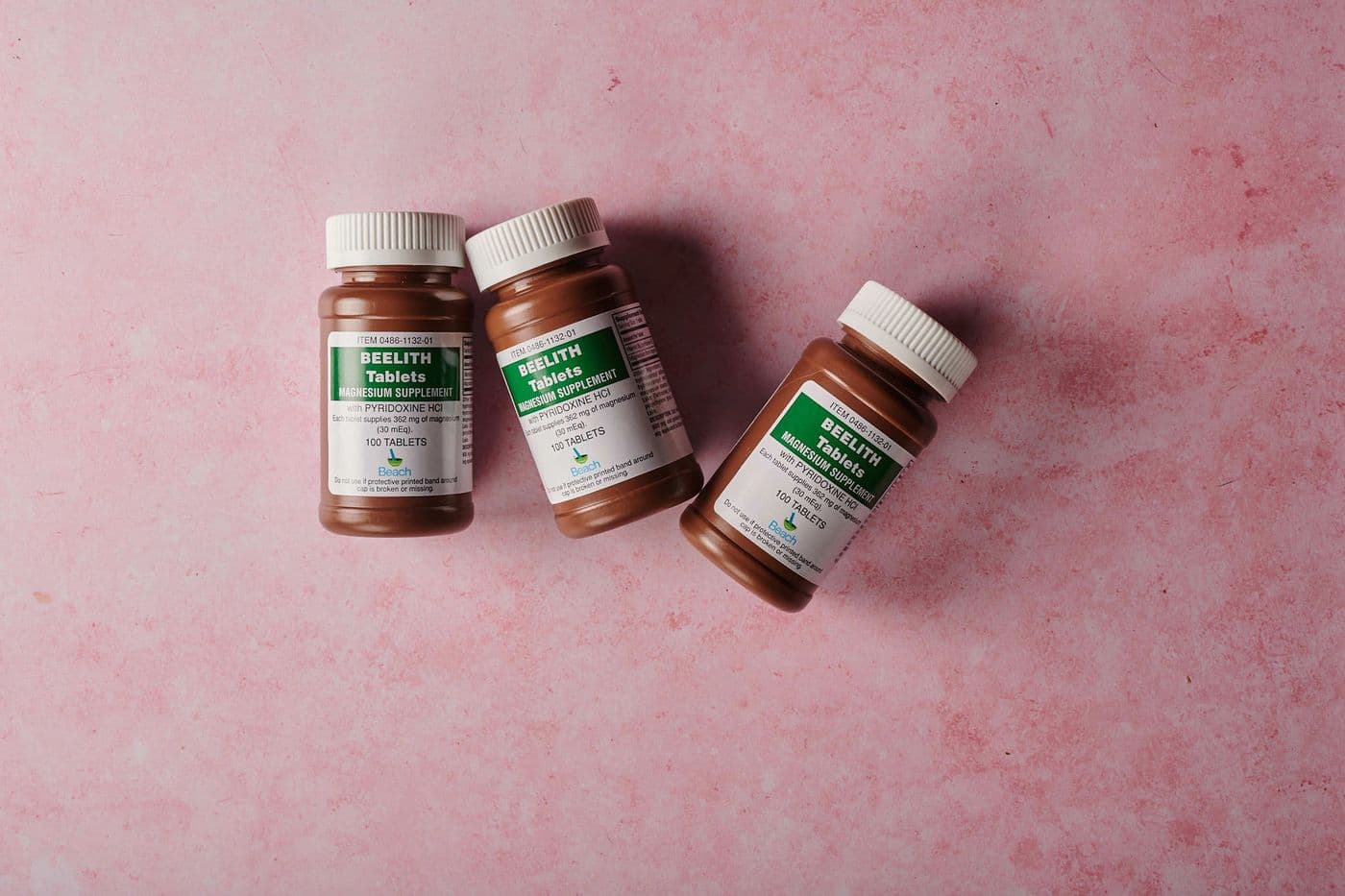
60 capsules. The gentle form of magnesium, made in the USA.
 Save $20
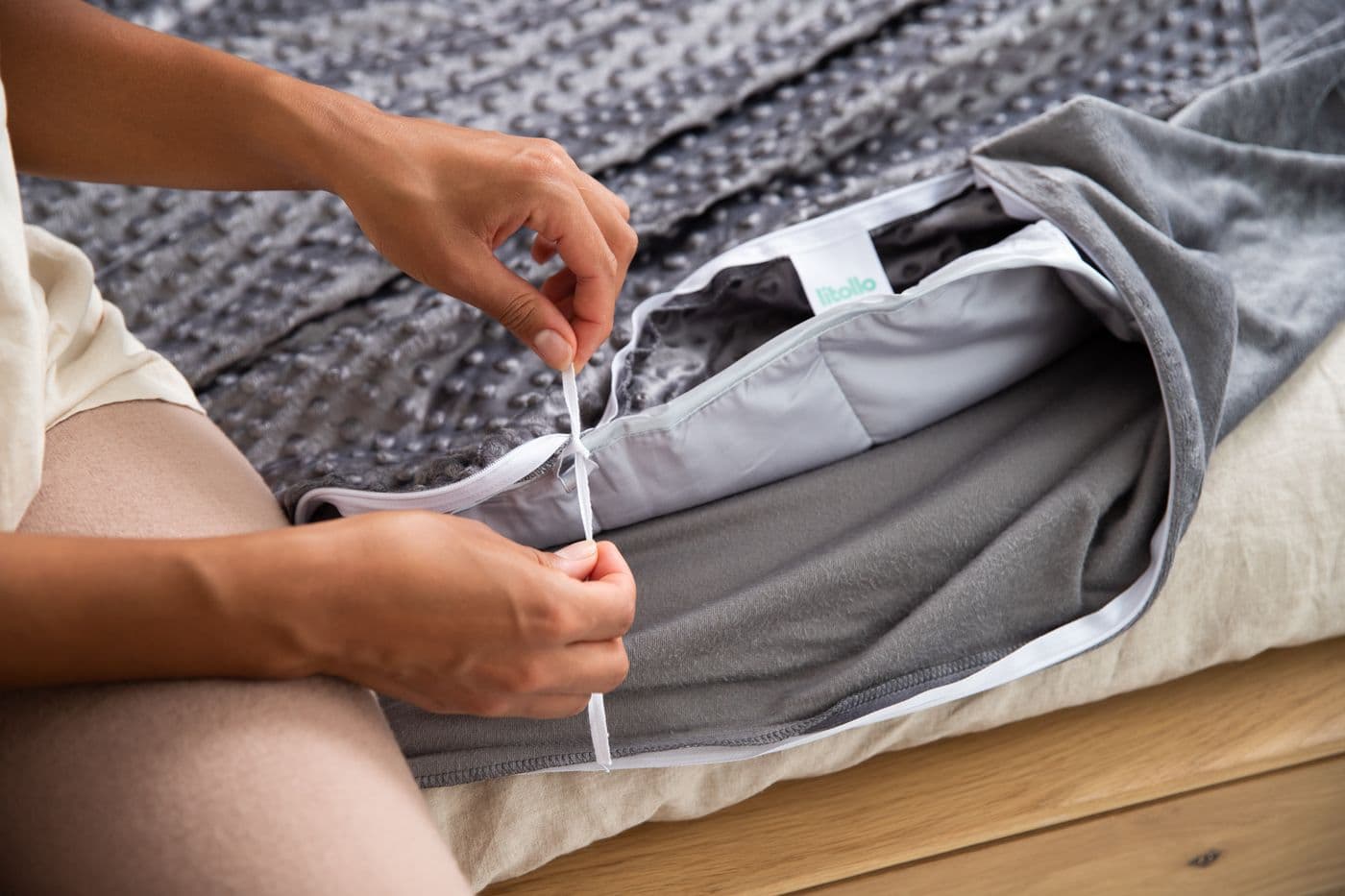
60×80 in, glass-bead fill, removable washable cover.
Read in bed without the blue light. Rechargeable, 3 brightness levels.
 Save $10
True amber lenses that cut the blue light your phone and TV pour out after dark.
Sources
- Li J. et al., Trends in Use of Melatonin Supplements Among US Adults, 1999–2018, JAMA 327(5), 2022 — https://jamanetwork.com/journals/jama/fullarticle/2788539
- NIH News in Health, Melatonin Supplement Use Rising Among Adults (2022) — https://newsinhealth.gov/2022/04/melatonin-supplement-use-rising-among-adults
- Erland L.A., Saxena P.K., Melatonin natural health products and supplements: presence of serotonin and significant variability of melatonin content, J Clin Sleep Med 13(2), 2017
- AASM clinical practice guideline on behavioral and psychological treatments for chronic insomnia (2021): CBT-I first line
- Mah J., Pitre T., Oral magnesium supplementation for insomnia in older adults: a systematic review & meta-analysis, BMC Complementary Medicine and Therapies 21, 2021 — https://doi.org/10.1186/s12906-021-03297-z
- Magnesium bisglycinate supplementation in healthy adults reporting poor sleep: randomized placebo-controlled trial (2025) — https://pubmed.ncbi.nlm.nih.gov/40918053/
- Ekholm B. et al., A randomized controlled study of weighted chain blankets for insomnia in psychiatric disorders, J Clin Sleep Med 16(9), 2020 — https://doi.org/10.5664/jcsm.8636
- Drake C. et al., Caffeine effects on sleep taken 0, 3, or 6 hours before going to bed, J Clin Sleep Med 9(11), 2013