Nearly 1 in 3 American Adults Is Short on Sleep. Here's What the Numbers Say—and What Actually Helps
CDC, AASM, RAND and NHTSA data on how much Americans sleep, what it costs, and the five levers that research says move the needle.
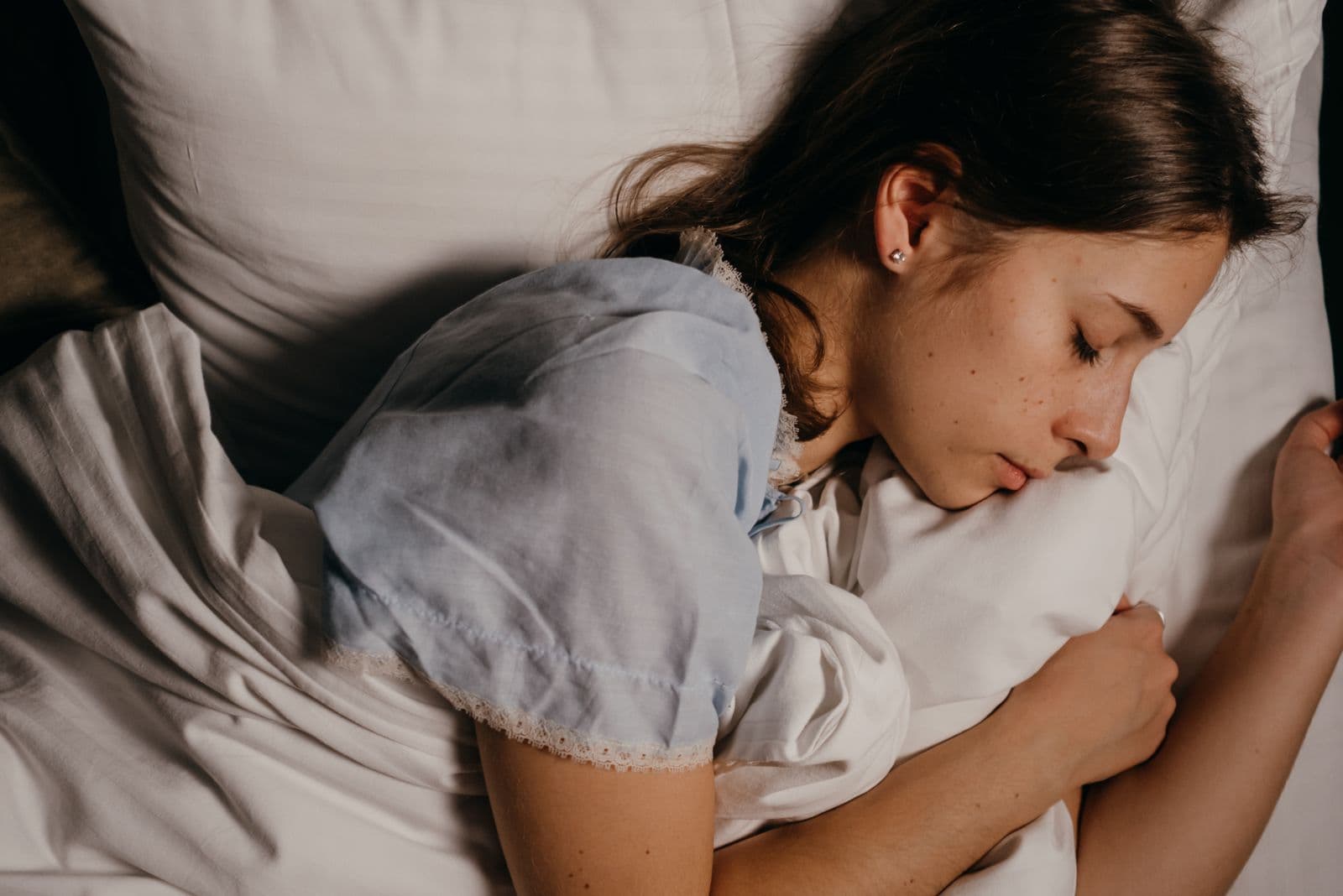
If you lie awake at night and feel like the only one, the federal data says otherwise. The United States is a country that is quietly, chronically under-slept—and the cost shows up in hospitals, on highways and in paychecks.
Below is what the most recent government and medical-society numbers say, followed by the five things sleep researchers keep coming back to when they talk about what helps.
The numbers, straight from the source
Almost one in three adults sleeps less than seven hours. In the CDC's 2024 National Health Interview Survey, 30.5 % of US adults reported getting less than seven hours of sleep in a typical 24-hour period. The figure was nearly identical for men (30.6 %) and women (30.4 %). Seven hours is the minimum the American Academy of Sleep Medicine (AASM) recommends for adults.
Insomnia is common, and chronic insomnia is not rare. The AASM estimates that 30–35 % of adults have brief symptoms of insomnia, 15–20 % have short-term insomnia lasting under three months, and about 10 % live with chronic insomnia disorder—trouble sleeping at least three nights a week for three months or more. In an AASM survey fielded in May 2024, 12 % of Americans said they had actually been diagnosed with chronic insomnia.
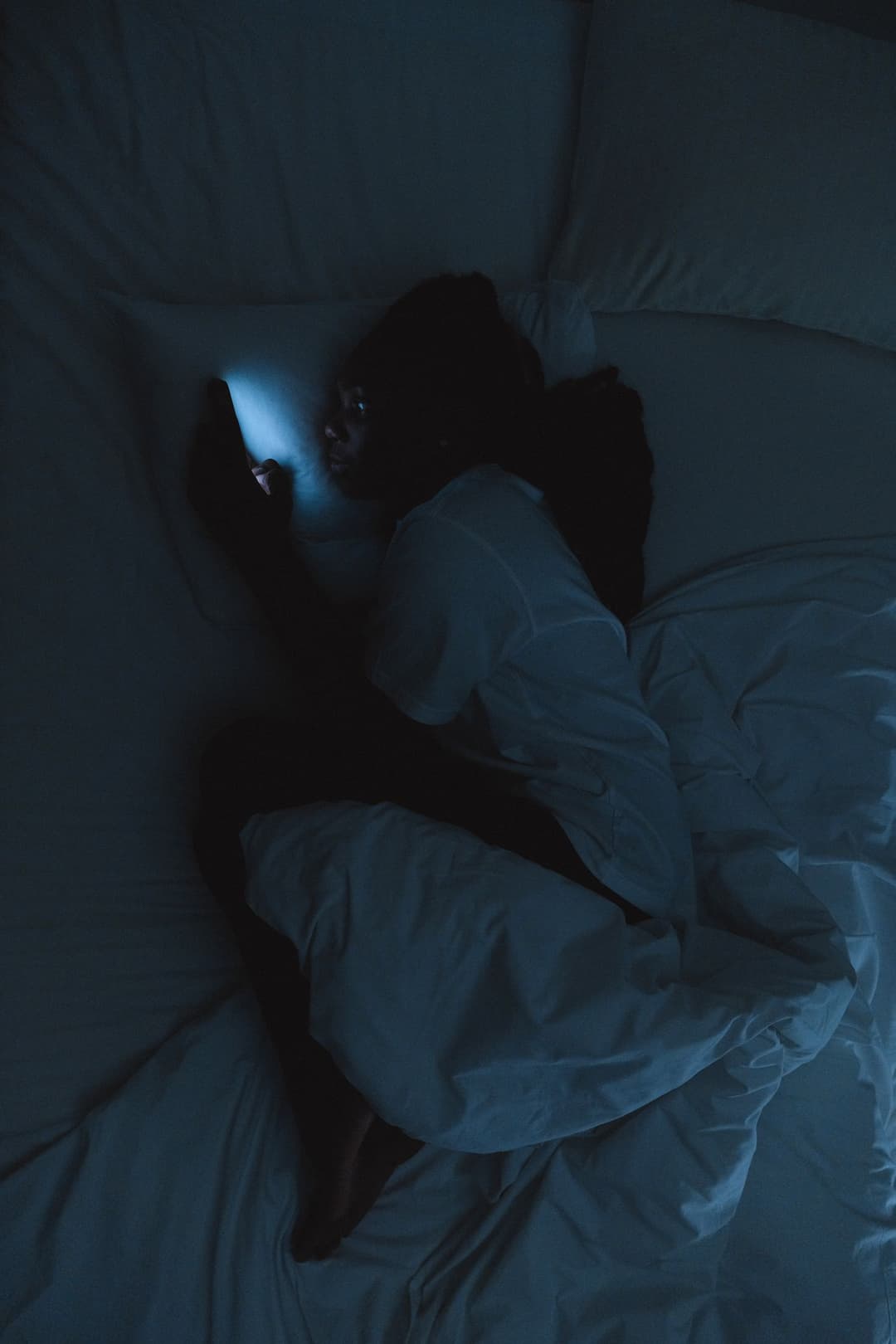
The bedroom has become a screen room. In another AASM survey, 87 % of Americans said they sleep with their phone in the bedroom. An analysis of National Sleep Foundation poll data found that roughly nine in ten adults use an electronic device within an hour of bedtime.
What it costs
Money. A RAND Corporation analysis estimated that insufficient sleep among US workers costs the economy up to $411 billion a year, about 2.28 % of GDP, through lost productivity and higher mortality. The same report put the loss at just over 1.2 million working days per year. People sleeping under six hours a night had a 13 % higher mortality risk than those sleeping seven to nine hours.
Lives on the road. The National Highway Traffic Safety Administration counted 633 deaths in police-reported drowsy-driving crashes in 2023. That is almost certainly an undercount: a 2024 AAA Foundation for Traffic Safety study estimated that 17.6 % of all fatal crashes between 2017 and 2021 involved a drowsy driver—roughly ten times the police-reported share—because sleepiness, unlike alcohol, leaves no physical evidence at the scene.
Health. Short sleep is associated with higher rates of obesity, type 2 diabetes, hypertension, depression and heart disease in CDC and NIH literature. Causation runs in both directions, which is exactly why fixing sleep tends to have ripple effects.
The five levers that actually move sleep
Sleep medicine has a short list of things that reliably help most people. None of them is a gadget. But several of them are easier to do with the right tools, which is where the products below come in. We've noted where evidence is strong and where it's still thin.
1. Darkness—real darkness
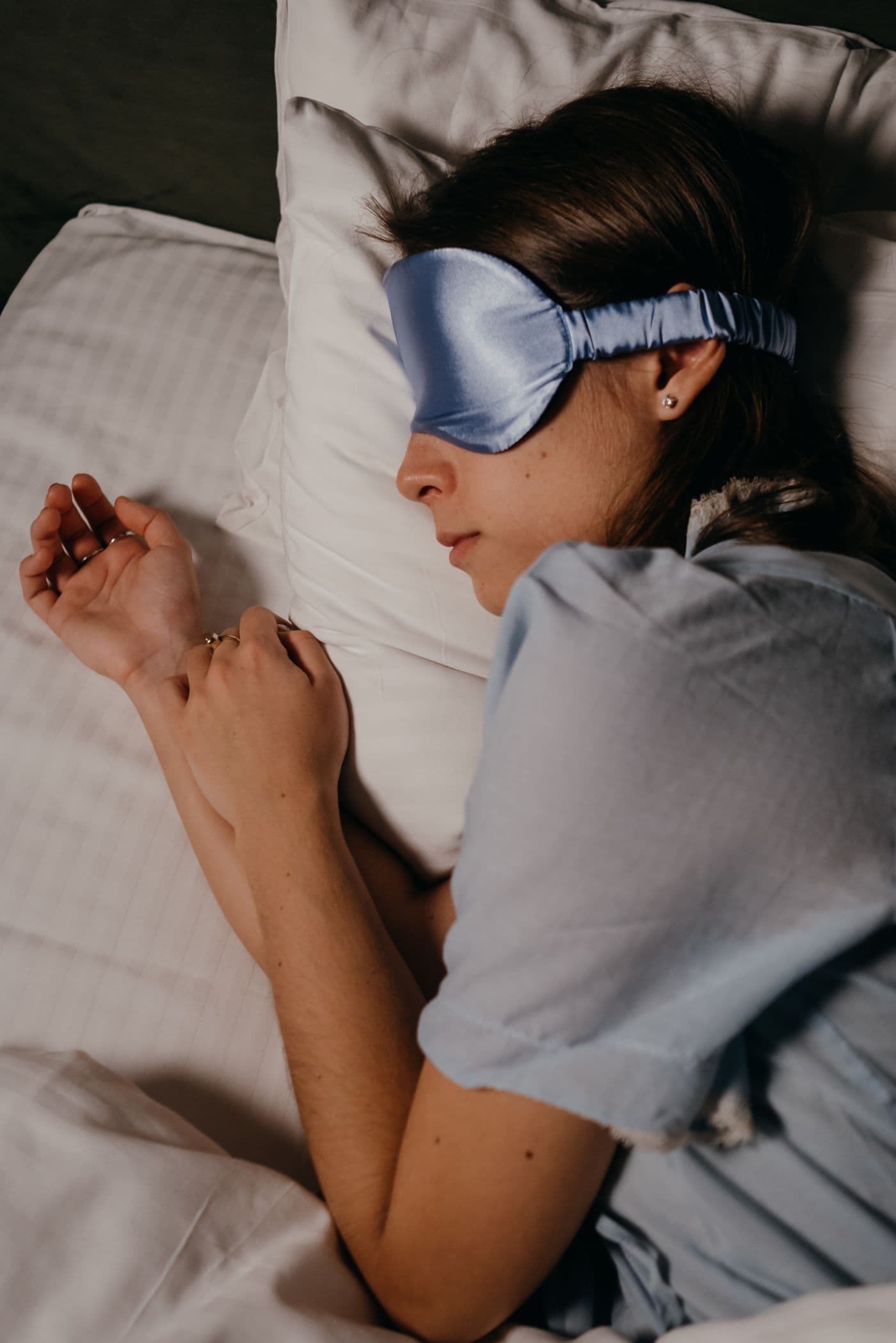
Your brain's clock is set by light hitting the retina. Even a streetlight through the blinds or a charging LED can push melatonin release later. A 2023 study in the journal SLEEP found that people who wore an eye mask for a week had better next-day memory encoding and alertness than the same people sleeping without one, and that the benefit tracked with time spent in deep (slow-wave) sleep.
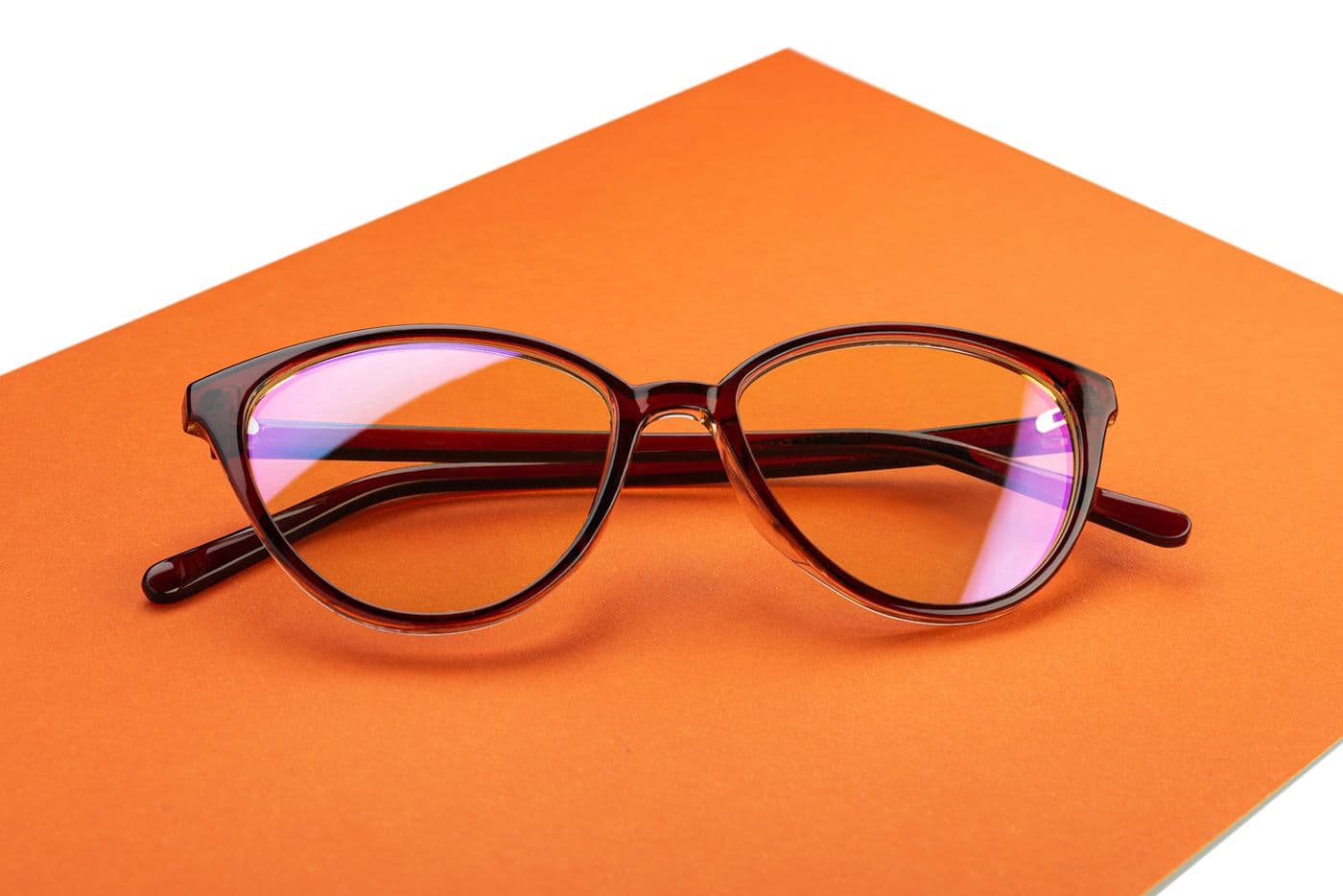
What can help: a contoured blackout sleep mask that doesn't press on the eyes, blackout curtain liners, and amber-tinted glasses for the last hour before bed if you can't give up the screen.
2. Quiet, or at least predictable sound
It is usually not the volume that wakes you—it's the change: a door, a dog, a truck. Steady background sound raises the noise floor so those spikes stand out less. Evidence for white noise improving sleep overall is mixed and mostly low-quality, but for people in noisy environments it is one of the cheapest things to try.
What can help: a fan-based or multi-sound white noise machine with a timer, and soft foam earplugs rated around 32 dB for the nights that need it.
3. A cool room
Core body temperature has to drop one to two degrees for sleep to start and stay deep. The Sleep Foundation's guidance for most adults is a bedroom of about 65–68 °F (18–20 °C). Hot sleepers wake more at night and get less deep sleep.
What can help: a cooling gel pillow, breathable sheets or a silk pillowcase, and simply lowering the thermostat an hour before bed.
4. A wind-down routine your body can recognize
The brain learns cues. A fixed sequence—lights down, screen off, warm drink, a scent, a few pages of a book—done at the same time every night becomes a signal that sleep is next. Cognitive behavioral therapy for insomnia (CBT-I), which is built largely on routine and timing, is the first-line treatment recommended by the AASM for chronic insomnia, ahead of medication.
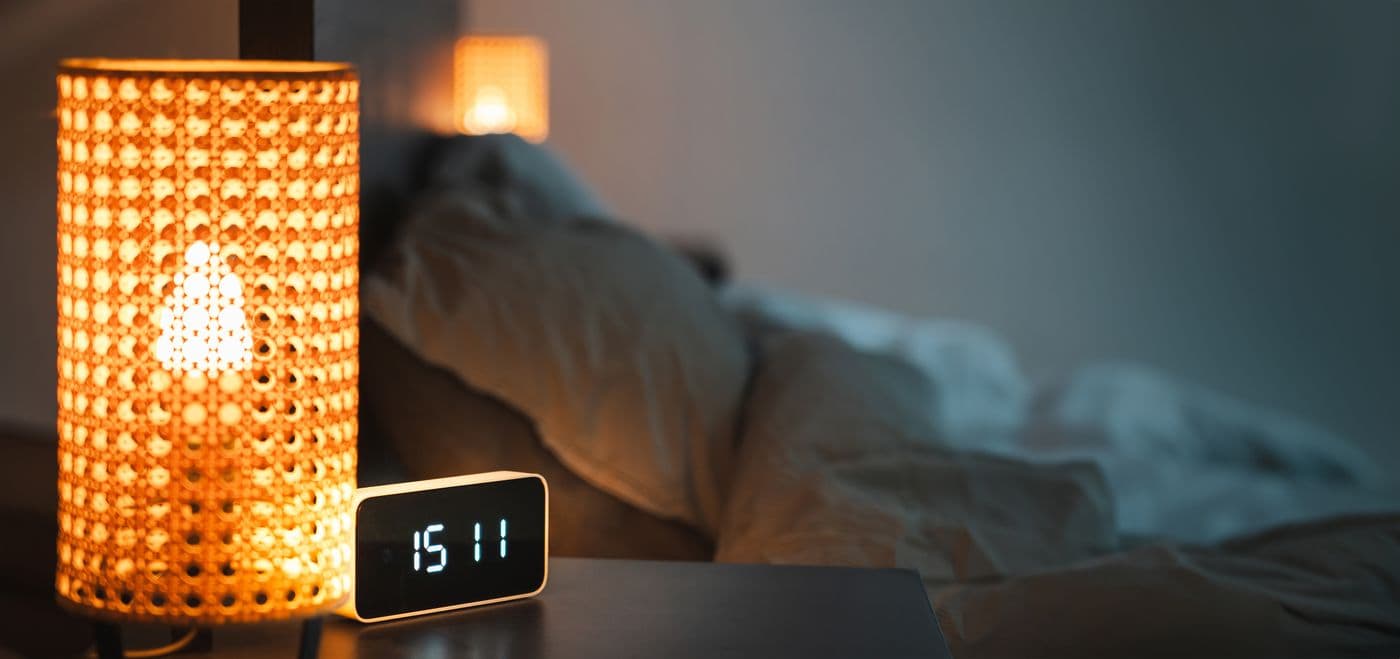
What can help: a lavender pillow spray, a caffeine-free herbal tea, and a sunrise-style alarm clock that makes the morning side of the routine consistent too.
5. Calming the body
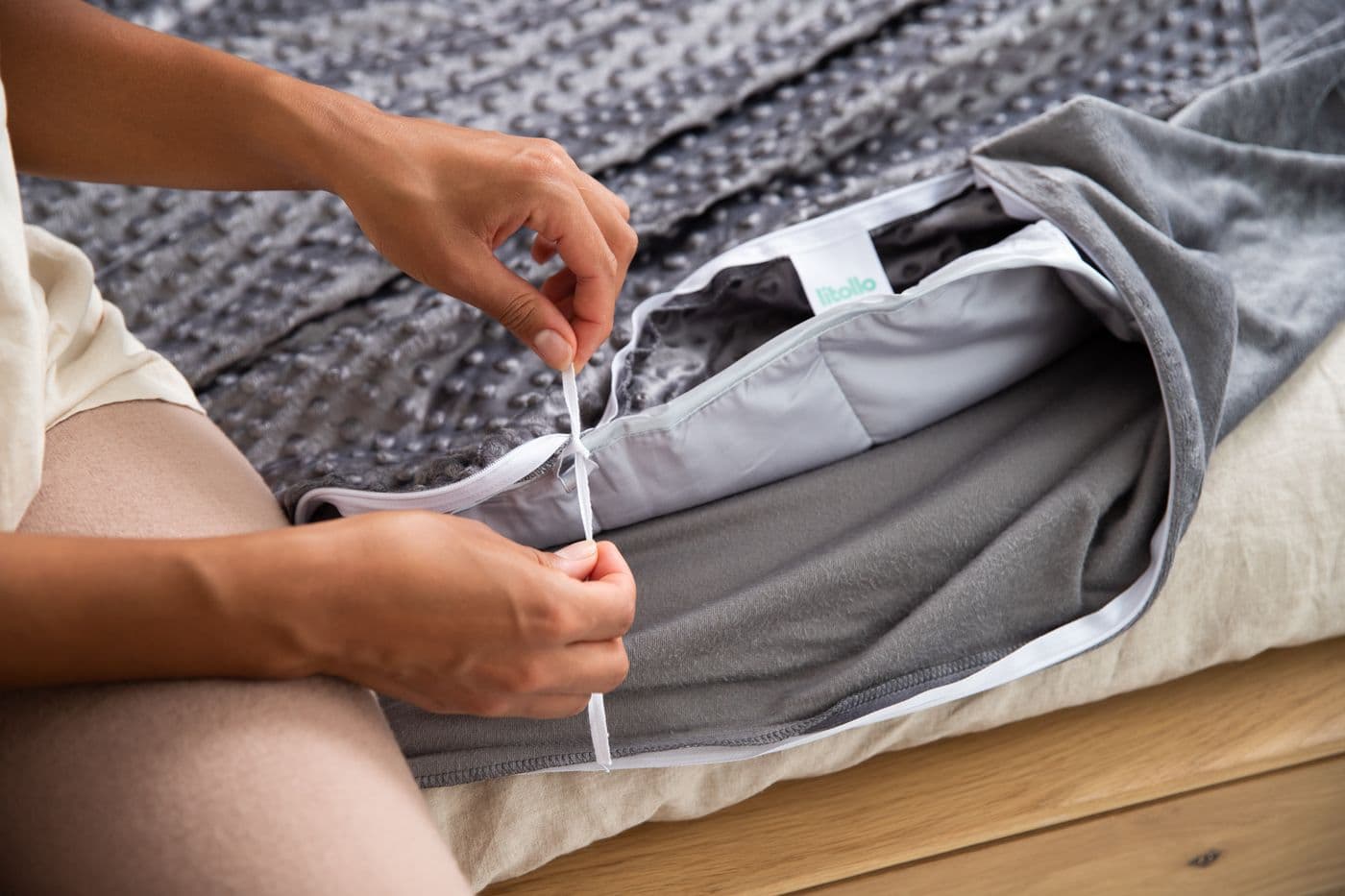
For some people the problem is a body that won't settle. A 2020 randomized trial in the Journal of Clinical Sleep Medicine found that patients with insomnia and a psychiatric diagnosis who used a weighted blanket for four weeks were far more likely to see their insomnia severity cut in half than those using a light blanket. Magnesium and low-dose melatonin have more modest evidence, which we cover honestly in a separate article.
What can help: a weighted blanket at roughly 10 % of your body weight (not for children under 3), and—if you and your doctor agree it's appropriate—magnesium glycinate or a low-dose melatonin supplement.
Where to start
If you only change one thing this week, make it darkness: it's cheap, it's immediate, and it has the clearest evidence. If you only change one thing this month, make it the routine. Everything else is an instrument in the orchestra—useful, but only once the basics are in place.
This article is for general information and does not replace medical advice. If you've had trouble sleeping three or more nights a week for three months, talk to a clinician—chronic insomnia and sleep apnea are treatable. Dietary supplement statements have not been evaluated by the Food and Drug Administration; these products are not intended to diagnose, treat, cure or prevent any disease.
Products mentioned
 Save $7
Molded eye cups, zero pressure on the eyes, no light leaks around the nose.
 Save $10
Non-looping fan and pink noise with a timer. Masks the sounds that wake you.
 Save $10
True amber lenses that cut the blue light your phone and TV pour out after dark.
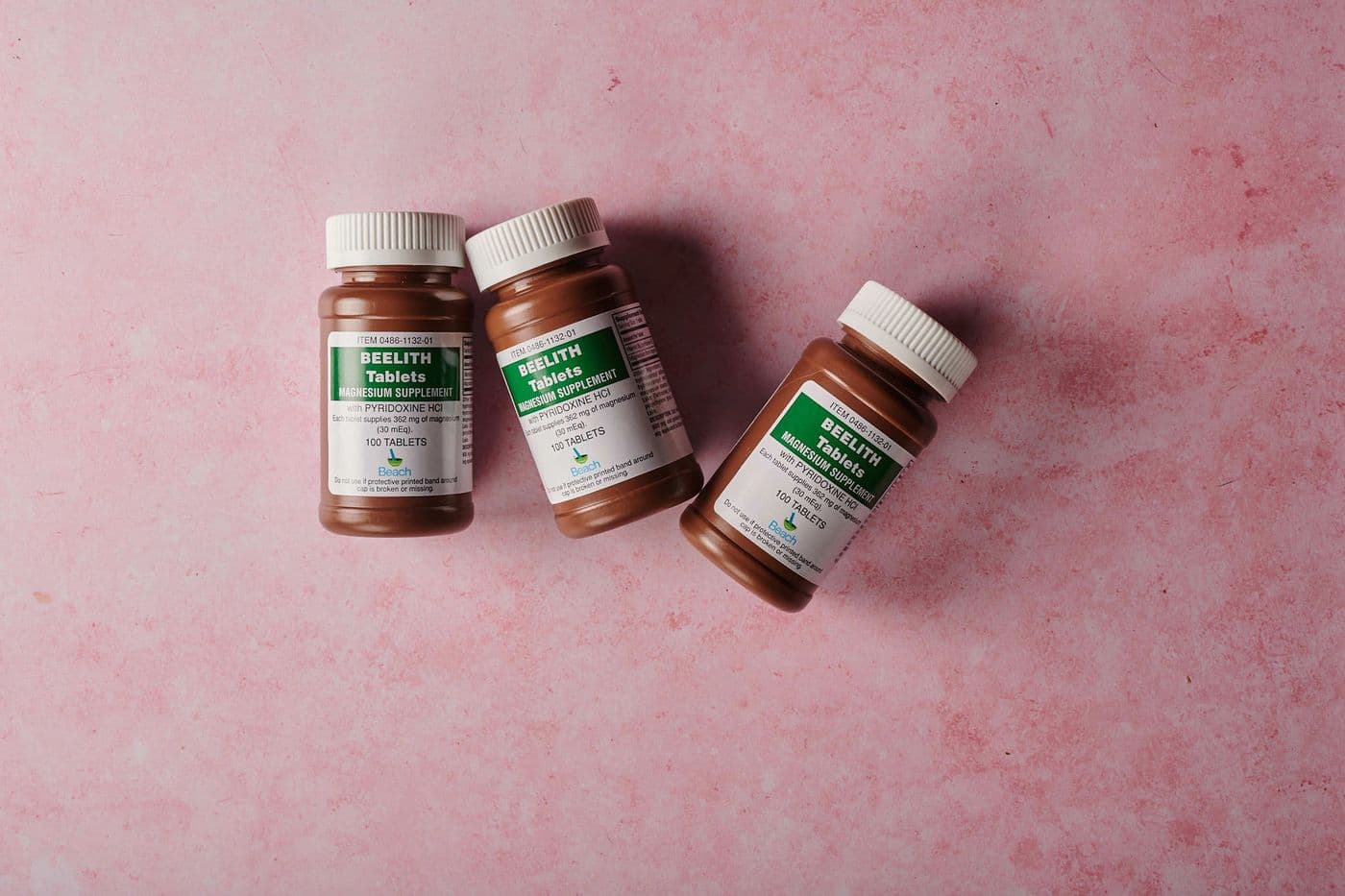
60 capsules. The gentle form of magnesium, made in the USA.
 Save $20
60×80 in, glass-bead fill, removable washable cover.
Sources
- CDC/NCHS Data Brief No. 559, Short Sleep Duration and Sleep Difficulties Among Adults: United States, 2024 — https://www.cdc.gov/nchs/products/databriefs/db559.htm
- American Academy of Sleep Medicine, Insomnia Awareness Day facts and stats — https://sleepeducation.org/insomnia-awareness-day-facts-stats/
- AASM survey, 12% of Americans diagnosed with chronic insomnia (May 2024) — https://aasm.org/survey-shows-12-of-americans-have-been-diagnosed-with-chronic-insomnia/
- RAND Corporation, Why Sleep Matters: The Economic Costs of Insufficient Sleep (2016) — https://www.rand.org/news/press/2016/11/30.html
- NHTSA, Drowsy Driving (police-reported fatalities) — https://www.nhtsa.gov/risky-driving/drowsy-driving
- AAA Foundation for Traffic Safety, drowsy driving in fatal crashes 2017–2021 (2024) — https://aaafoundation.org
- AASM survey, 87% of Americans sleep with their phone in the bedroom — https://aasm.org/americans-are-doomscrolling-at-bedtime-prioritizing-screen-time-over-sleep/
- Sleep Foundation, The Best Temperature for Sleep — https://www.sleepfoundation.org/bedroom-environment/best-temperature-for-sleep