How to Build a Bedroom That Puts You to Sleep: Light, Noise and Temperature, by the Evidence
What peer-reviewed studies and the Sleep Foundation say about the three physical conditions that decide whether you fall asleep—and which simple products fix each.
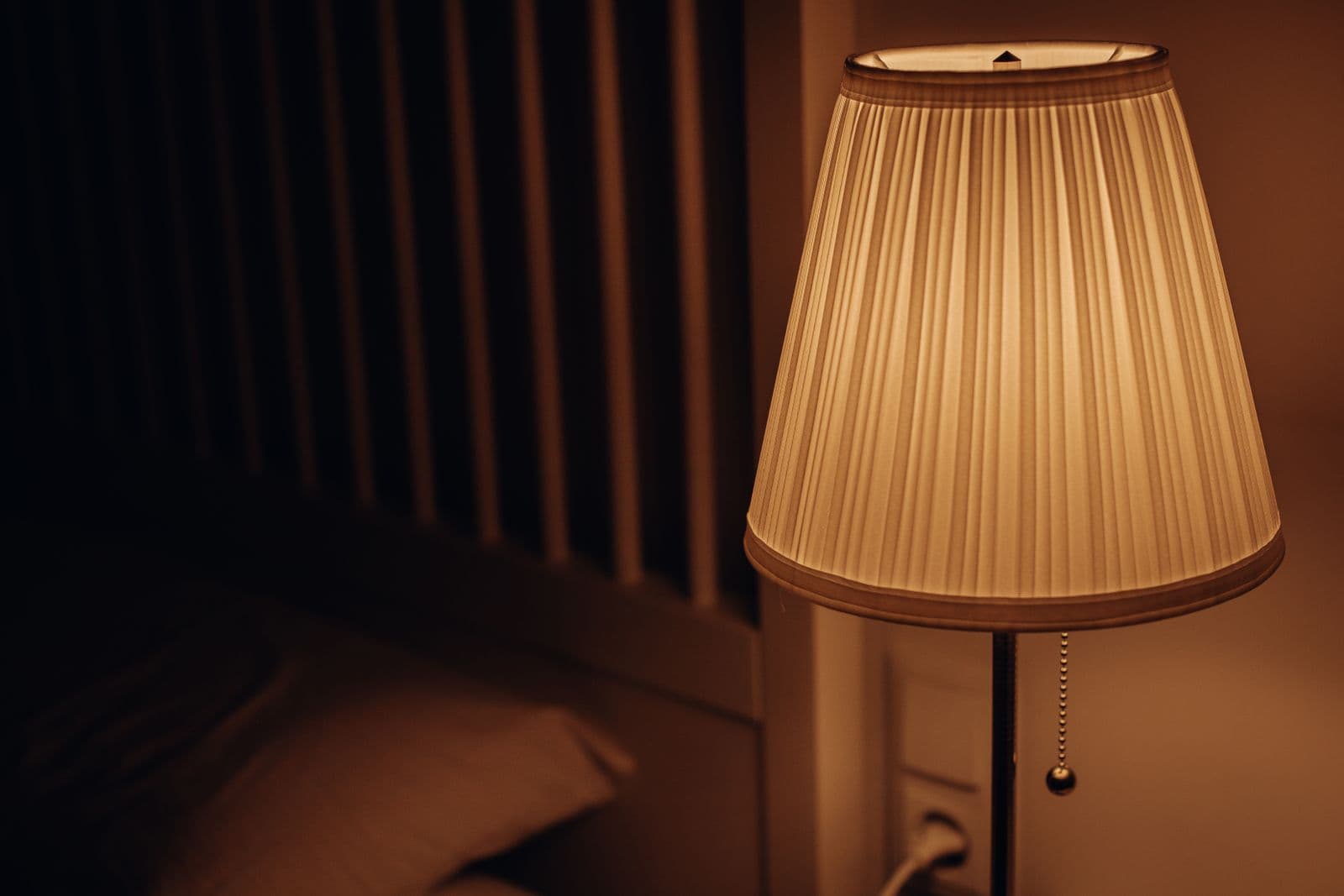
Most advice about sleep is about you: your stress, your habits, your caffeine. That matters. But a surprising amount of poor sleep is about the room. Light, sound and temperature are the three physical inputs your brain checks before it lets you go under, and all three can be fixed for less than the cost of one bad month of sleep.
Here's what the research says about each, and the simplest tools that address it.
Light: the master switch
Light is the strongest signal your circadian clock receives. Bright, blue-rich light in the evening tells the brain it's still day and delays melatonin; darkness at night tells it to stay asleep; bright light in the morning tells it to wake up and sets the clock for the next night.
Americans are getting this backwards. In an American Academy of Sleep Medicine survey, 87 % of adults said they sleep with their phone in the bedroom, and polling for the National Sleep Foundation has found roughly nine in ten adults use an electronic device within an hour of bedtime.
The eye-mask study
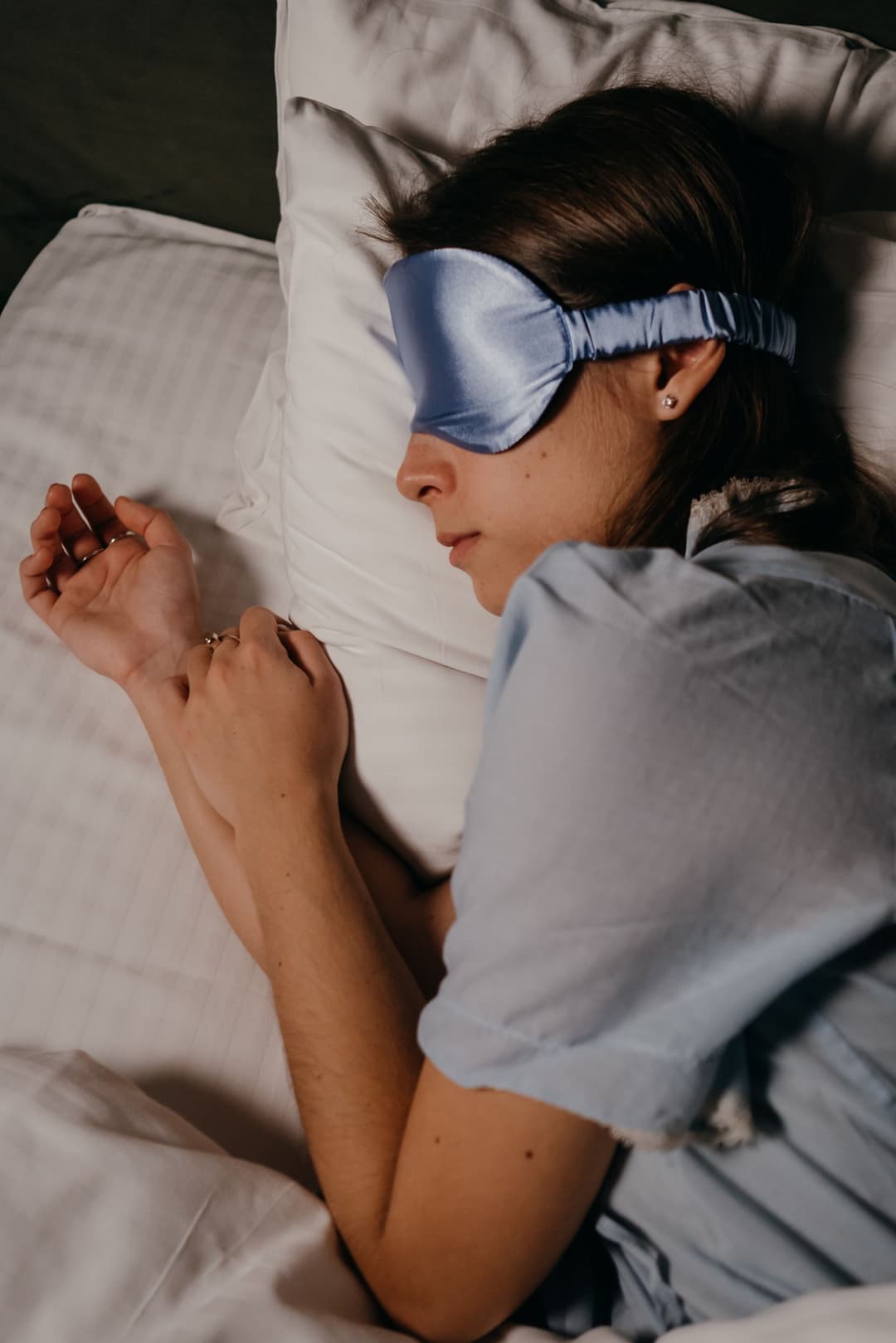
In 2023, researchers at Cardiff University published a two-part experiment in the journal SLEEP. In the first, 94 adults aged 18–35 spent one week sleeping with an eye mask and one week without, then took memory and alertness tests. With the mask, they learned new information better the next day and were more alert. In the second experiment, 35 participants wore a sleep tracker: the memory benefit appeared again, and it was predicted by how much slow-wave (deep) sleep they got while masked.
The practical takeaway is not subtle: ambient light in the bedroom—from a window, a hallway, a charging cable—is measurably costing you deep sleep.
What can help:
- A contoured blackout mask with molded eye cups, so your eyes can move in REM without pressure and no light leaks around the nose.
- Blackout curtain liners if a streetlight or early sunrise is the problem.
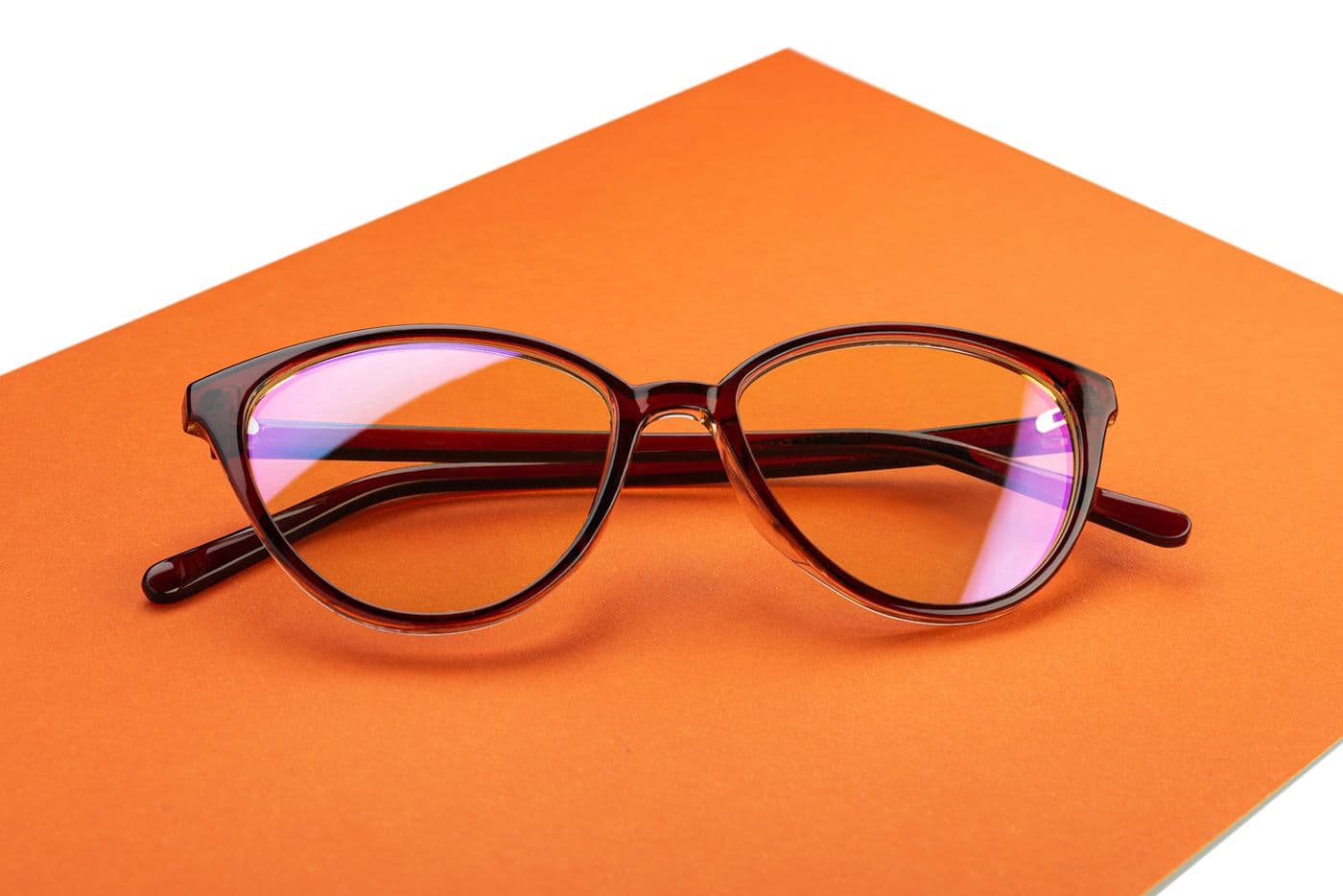
- Amber-tinted evening glasses for the last 60–90 minutes if screens are non-negotiable. Clear "blue-light" lenses filter very little; it's the amber tint that matters.
Morning light is the other half
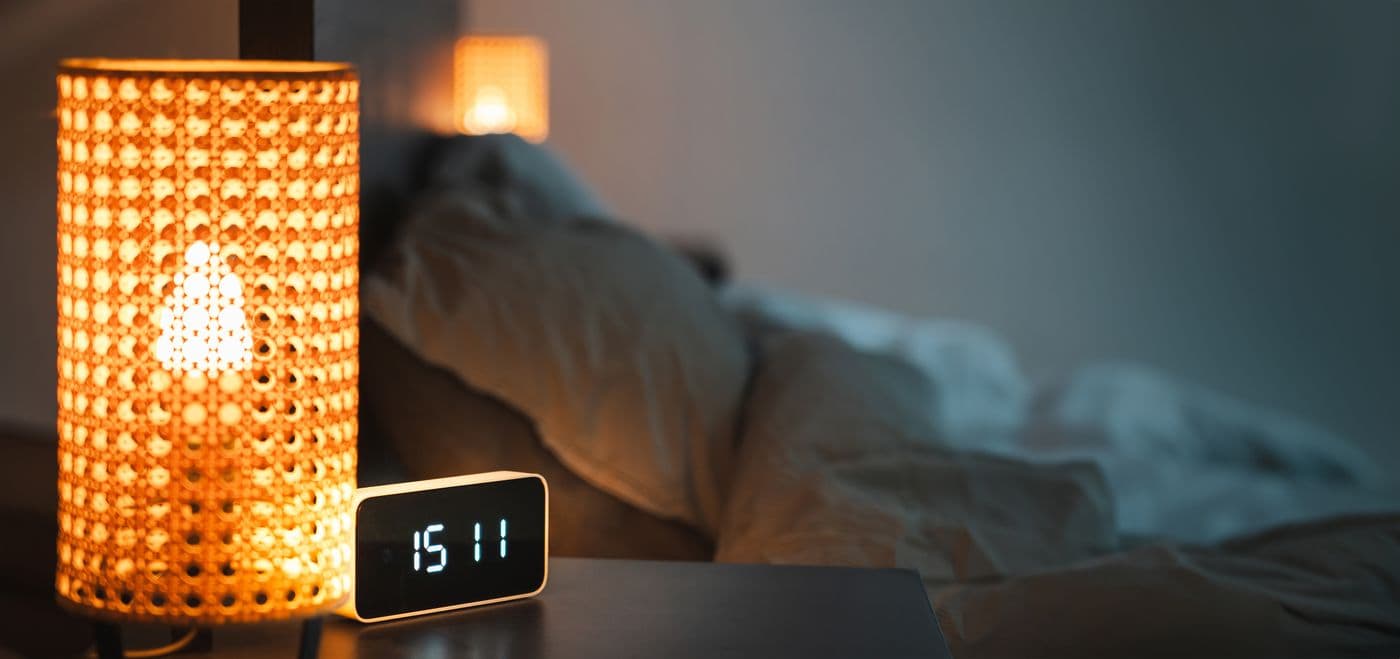
A dark night only works if the morning is bright. Getting daylight within an hour of waking anchors the clock so you feel sleepy at the right time that evening. In winter, or in a bedroom that faces away from the sun, a sunrise-simulation alarm clock that brightens gradually over 20–30 minutes is a practical substitute. Small studies suggest dawn simulation reduces the groggy feeling after waking (sleep inertia); the bigger benefit is consistency.
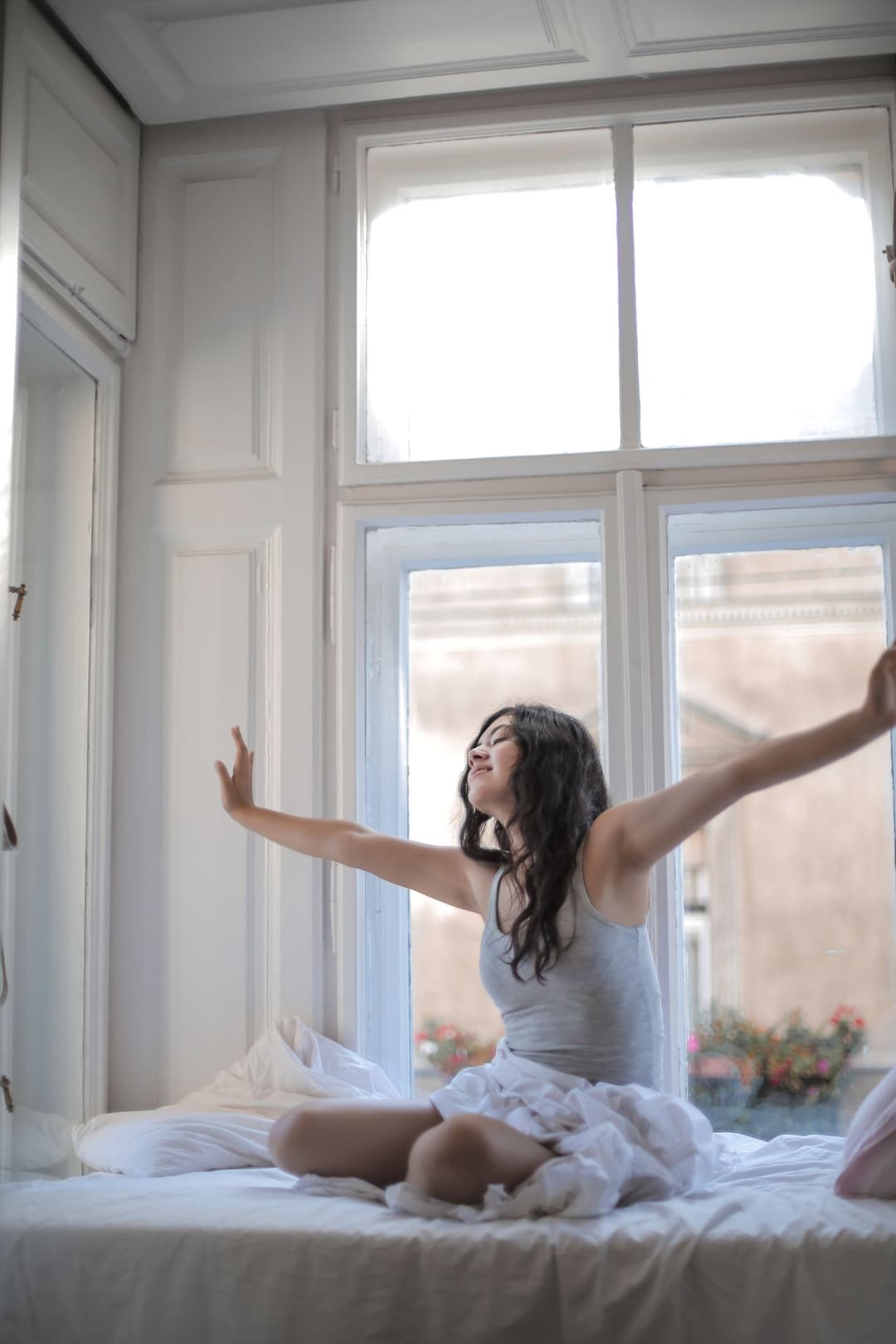
What can help: a sunrise alarm clock with a gradual light ramp and gentle sounds, placed where the light reaches your face.
Noise: it's the change, not the volume
The brain keeps monitoring sound while you sleep. What wakes you is usually a sudden contrast—a door, a dog, a truck downshifting—rather than a steady level. Continuous background sound raises the floor so those spikes stand out less.
Be honest about the evidence here: a 2021 systematic review in Sleep Medicine Reviews found that studies of continuous noise as a sleep aid were small, inconsistent and of low quality. Some people sleep better with it, some don't, and very loud noise all night is not a good idea for hearing. But for a light sleeper in an apartment, a hotel, or a house with a snoring partner, it is one of the cheapest experiments available, and it is reversible.
What can help:
- A white noise machine—either a fan-based unit that makes real airflow sound, or an electronic one with a timer and brown/pink noise options (lower-pitched sound is easier for many people to sleep to).
- Soft foam earplugs (around 32 dB rating) for travel or the occasional loud night. Replace them regularly.
- For couples, a machine on the lighter sleeper's side of the bed at modest volume beats one blasting from across the room.
Temperature: the forgotten lever
Sleep onset requires core body temperature to fall by one to two degrees Fahrenheit. A warm room fights that drop, and research consistently links hot bedrooms to more awakenings and less deep sleep.
The Sleep Foundation's guidance for most adults is 65–68 °F (18–20 °C). Interestingly, a 2023 study of older adults published in Science of The Total Environment found their sleep was most efficient at a somewhat warmer 70–74 °F, so the right number shifts with age and with how warm your bedding is.
A few practical rules:
- Lower the thermostat an hour before bed, not at bedtime.
- Warm hands and feet (socks, a warm shower) actually help the core cool by pushing blood to the skin.
- Hot sleepers lose more from the pillow and sheets than from the air.
What can help: a cooling gel memory-foam pillow, breathable sheets, and a silk pillowcase, which doesn't trap heat the way polyester blends do. A cheap fan does double duty as white noise.
Put it together: the 10-minute bedroom audit
- Lights off, lie in bed, wait two minutes. Can you see your hand? That's light to remove.
- Count the LEDs: chargers, TV, smoke detector, router. Tape or move them.
- Check the thermostat reading in the bedroom itself, not the hallway.
- Listen for 60 seconds. Note what changes, not what's constant.
- Put the phone to charge outside the room, or at least face-down across the room.
Almost one in three American adults sleeps under seven hours. Many of them will never see a sleep clinic, and don't need to. They need a darker, quieter, cooler room—and then the habits that fit inside it.
This article is for general information and does not replace medical advice. If loud snoring, gasping, or waking unrefreshed every day is part of your picture, ask a clinician about sleep apnea.
Products mentioned
 Save $7
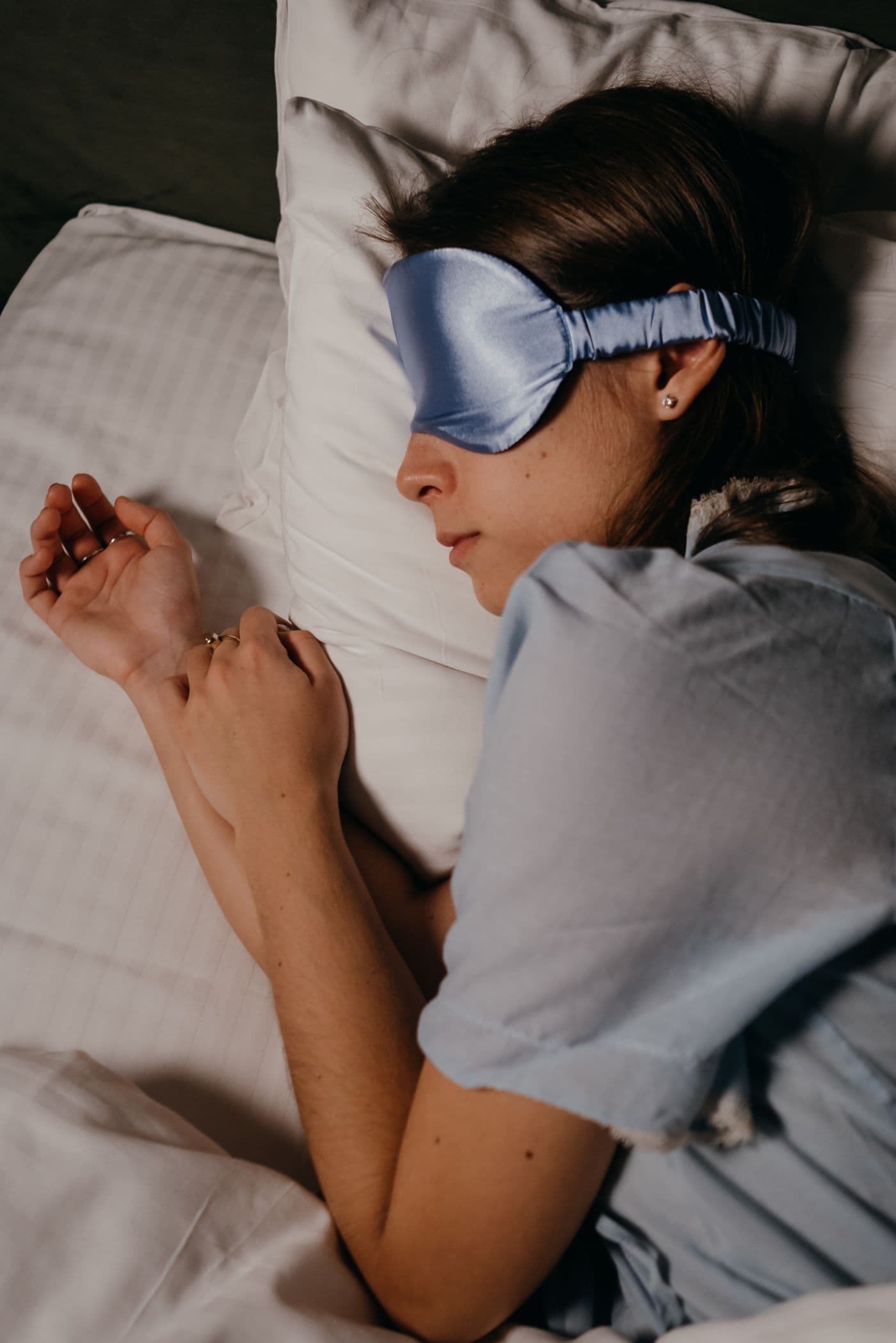
Molded eye cups, zero pressure on the eyes, no light leaks around the nose.
 Save $10
True amber lenses that cut the blue light your phone and TV pour out after dark.
 Save $10
Non-looping fan and pink noise with a timer. Masks the sounds that wake you.
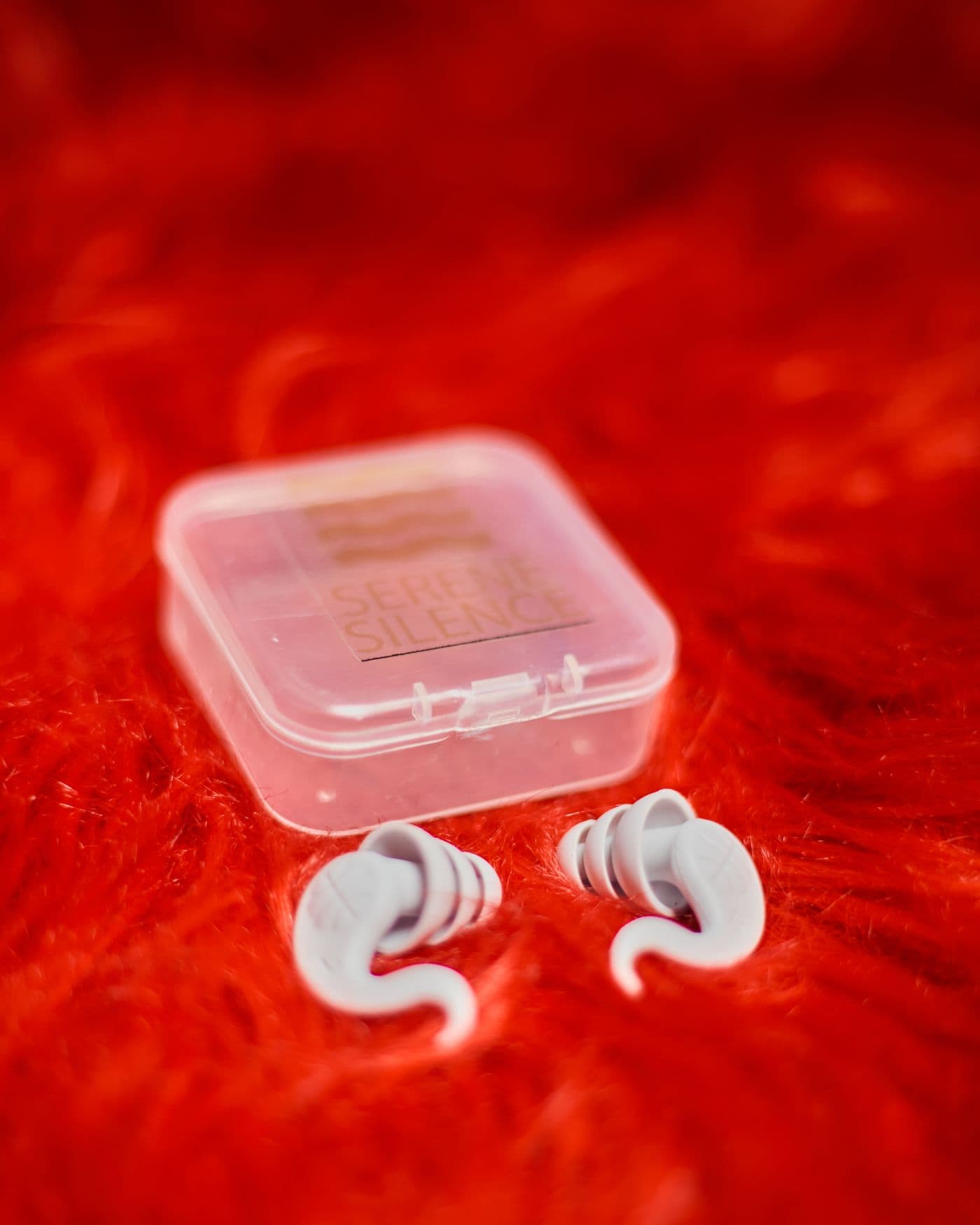
20 pairs, 32 dB rating. For snoring partners, hotels and thin walls.
Phase-change gel layer that absorbs heat as you sleep.
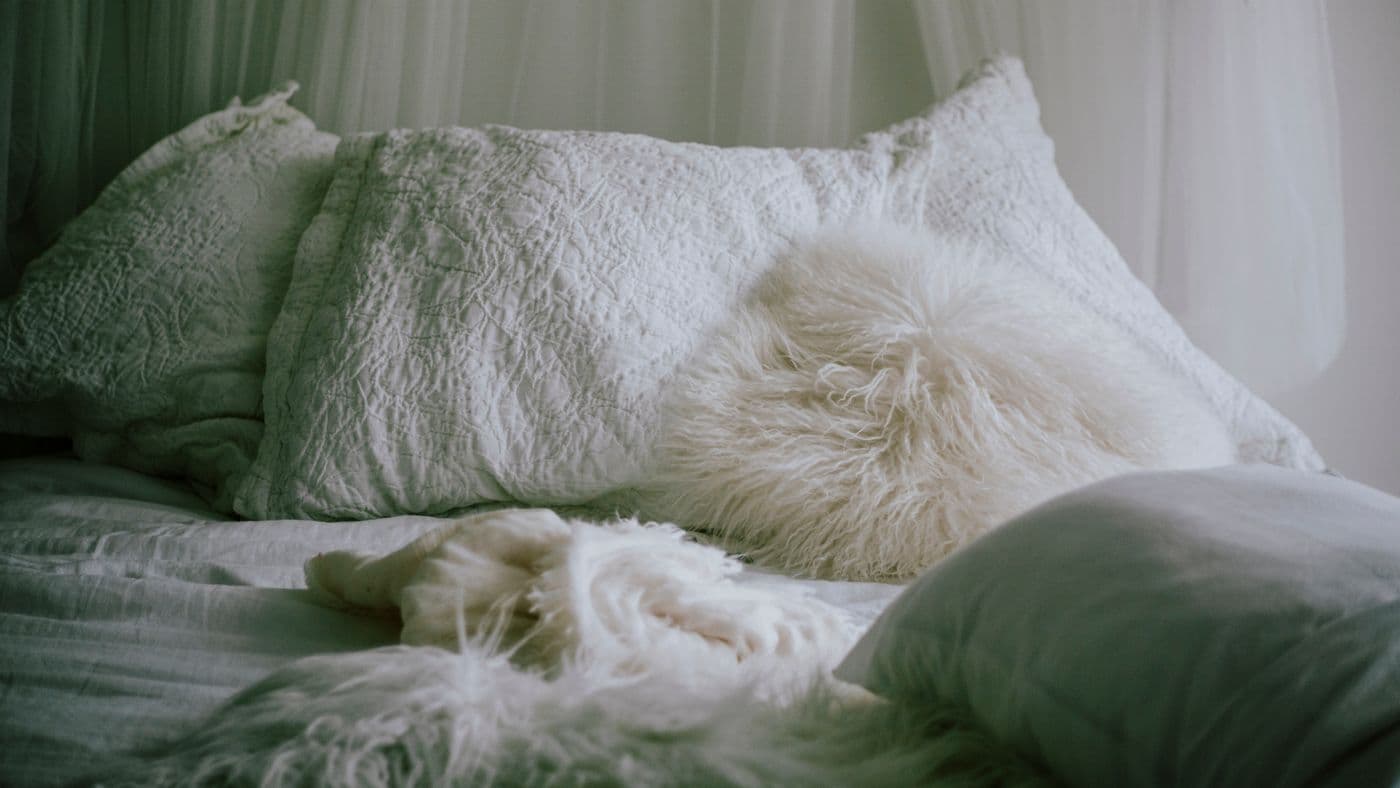
Cool-to-the-touch fiber that pulls heat away from your face.
Sources
- Greco V. et al., Wearing an eye mask during overnight sleep improves episodic learning and alertness, SLEEP 46(3), 2023 — https://doi.org/10.1093/sleep/zsac305
- AASM survey, 87% of Americans sleep with their phone in the bedroom — https://aasm.org/americans-are-doomscrolling-at-bedtime-prioritizing-screen-time-over-sleep/
- Sleep Foundation, The Best Temperature for Sleep (65–68 °F) — https://www.sleepfoundation.org/bedroom-environment/best-temperature-for-sleep
- Baniassadi A. et al., Nighttime ambient temperature and sleep in community-dwelling older adults, Science of The Total Environment, 2023 (70–74 °F for older adults)
- Riedy S.M. et al., Noise as a sleep aid: a systematic review, Sleep Medicine Reviews, 2021
- CDC/NCHS Data Brief No. 559 (2024): 30.5% of US adults sleep under 7 hours — https://www.cdc.gov/nchs/products/databriefs/db559.htm