Sleep 1.2 Hours More, Eat 270 Fewer Calories a Day: What the Trials Show
Eating less is harder on short sleep. In a 2022 trial, adults who slept 1.2 hours longer ate 270 fewer calories a day, with no diet advice at all.
Between 2014 and 2020, a University of Chicago team enrolled 80 adults with two things in common: a body mass index in the overweight range, and a habit of sleeping less than 6.5 hours a night. For two weeks they wore a wrist monitor and lived as usual. Then half were called in for one counseling session on bedtime habits and a target of 8.5 hours in bed for two more weeks. Nobody was given a diet or told to exercise.
The researchers did not ask what people ate. They measured it, with the doubly labeled water method and a home scale that uploaded each morning's weight and hid the number. Compared with the control group, the coached group slept about 1.2 hours more a night and took in about 270 fewer calories a day. Energy expenditure did not change. Over two weeks they lost 0.87 kg (about 1.9 lb) relative to the controls, who had drifted up.
That 2022 trial in JAMA Internal Medicine is the strongest evidence here. The rest comes from much smaller studies, and this article says how small.
The numbers
Three in ten US adults sleep short. In the CDC's 2024 National Health Interview Survey, 30.5% of adults averaged less than 7 hours in a 24-hour period.
Four in ten have obesity. The CDC's National Health and Nutrition Examination Survey for August 2021 to August 2023 put adult obesity at 40.3% and severe obesity at 9.4%.
Cutting sleep adds about 385 calories a day. That is the pooled result of 11 controlled studies with 172 participants, from a King's College London group in the European Journal of Clinical Nutrition, 2017 (95% confidence interval 252 to 517).
Each hour under 7 goes with 9% higher obesity risk, in a 2019 meta-analysis of 12 prospective cohort studies of adults in Sleep and Breathing (relative risk 1.09 per hour, 95% CI 1.05 to 1.14). It is an association.
Why a short night makes you hungrier
Leptin, made by fat cells, tells the brain you have enough stored energy; ghrelin, from the stomach, says eat. Sleep loss pushes them in opposite directions.
The experiment usually cited first was tiny. In 2004 a University of Chicago team kept 12 healthy young men in a research unit for two nights of 4 hours in bed and, on a separate visit, two nights of 10 hours, with calories held constant. After the short nights leptin was 18% lower and ghrelin 28% higher. The men rated their hunger 24% higher and their appetite 23% higher, and 33% to 45% higher for calorie-dense, carbohydrate-rich foods.
A larger snapshot pointed the same way. In the Wisconsin Sleep Cohort, 1,024 adults gave a fasting morning blood sample after a night in the sleep lab. Habitual sleep of 5 hours rather than 8 predicted 15.5% less leptin, and 5 rather than 8 hours of recorded sleep that night predicted 14.9% more ghrelin, independent of body weight.
Here is the complication. A 2019 review of 41 randomized trials in Sleep Medicine Reviews pooled the ones reporting each outcome and found hunger up 13.4 points on a 100-point scale and intake up 252.8 calories a day under sleep restriction, but no strong evidence of a consistent leptin or ghrelin shift. The American Heart Association's 2016 scientific statement calls the hormone data "mixed". Hunger shows up in trial after trial; the hormone route to it is plausible and unsettled.

What the brain does with a menu after no sleep
In 2013 a Berkeley group scanned 23 healthy adults twice: after a normal night and after a full night awake, with an overnight snack to cover the calories burned by staying awake; hunger before the scan turned out the same both times. In the scanner they rated 80 foods for how much they wanted each. Sleep-deprived, the frontal and insula regions that weigh up food choices went quieter and the amygdala went louder; the share of high-calorie foods the volunteers wanted rose, and the summed calorie content of everything they wanted was about 600 calories higher. One limit: this was a whole night without sleep, not a short one.
Dieting on 5.5 hours
The study that matters most to anyone cutting calories is also one of the smallest. In 2010, 10 overweight adults spent two separate 14-day stays in a University of Chicago research unit, eating the same reduced diet of about 1,450 calories a day. The only planned difference was the bedtime window: 8.5 hours one stay, 5.5 the other. Actual sleep averaged 7 hours 25 minutes against 5 hours 14 minutes.
They lost about 3 kg (6.6 lb) both times. What they lost differed. With 8.5 hours in bed, 1.4 kg (3.1 lb) was fat and 1.5 kg (3.3 lb) fat-free mass. With 5.5 hours, fat loss fell to 0.6 kg (1.3 lb) and fat-free loss climbed to 2.4 kg (5.3 lb): the share of the weight lost as fat fell by 55%, and lean-tissue loss rose by 60%. Short sleep also brought more hunger, higher ghrelin and a lower resting metabolic rate. Ten people is ten people; the NIH-funded authors say so themselves.
What the trials prove and what they only suggest
The randomized trials show that sleep changes eating over days to weeks. Cut it to 4 to 5.5 hours in bed, as the Chicago protocols did, and in the pooled trials intake climbs by roughly 250 to 385 calories a day. Extend it with coaching and intake drops by 270. Weight moves little either way.
The cohorts show that short sleepers are heavier. The biggest pooling here, 634,511 children and adults in 2008, found adults who slept short had 1.55 times the odds of obesity; the prospective studies put it at 9% per lost hour. Neither design can rule out that weight, or something behind it, shortens sleep rather than the reverse. The Chicago authors' projection of 12 kg (26 lb) over three years is a model, offered "if the effects were sustained"; nobody has observed it. The trials prove effects on appetite and intake. They do not prove that sleep causes obesity.
What can help: no product was tested in these trials. The Chicago coaching was about bedtime habits; the authors say limiting electronic devices appeared to be a key change, though they did not measure which habits moved. Things in our range that make a longer window easier to fill:
- Amber evening glasses, for people who will keep the screen anyway. They don't replace turning it off, and nothing here tested them.
- A contoured sleep mask and soft foam earplugs. A longer window overlaps more daylight and more morning noise; these cover both. Neither was part of any trial here.
- A sunrise alarm clock, to hold the wake time steady so the earlier bedtime is what moves. Also untested.
Where people go wrong
Treating 270 calories as a promise. It is a two-week average across 40 people, measured against a control group whose intake had risen by 115 calories a day; within the coached group alone the drop was about 155.
Building a diet plan on the hormone numbers. Twelve men over two nights, one morning blood draw in Wisconsin, and a 41-trial review that found no consistent shift. Hunger is the robust finding; the hormones are the hypothesis.
Lying in bed longer when you can't sleep. The trial excluded insomnia, sleep apnea and shift work. If 8.5 hours in bed gets you 6 hours of sleep and a lot of staring, more time in bed is the wrong lever.
A two-week copy of the trial
Get your real number first; the Chicago volunteers were recruited for sleeping under 6.5 hours and averaged about 6. If you're under 6.5, set a bedtime that puts 8.5 hours between lights-out and the alarm, and keep the alarm where it is. Limit screens; the paper says that appeared to be a key change, though it did not measure habits systematically. Hold your diet steady so you can see what the sleep did, weigh in the morning, and give it 14 days. If you are dieting anyway, treat the sleep window as part of the diet: on 5.5 hours the Chicago dieters lost the same weight and kept more of the fat.
This article is general information, not medical advice. If you cannot fill a normal sleep window, or your hunger or weight is changing in ways you don't understand, see a doctor.
Products mentioned
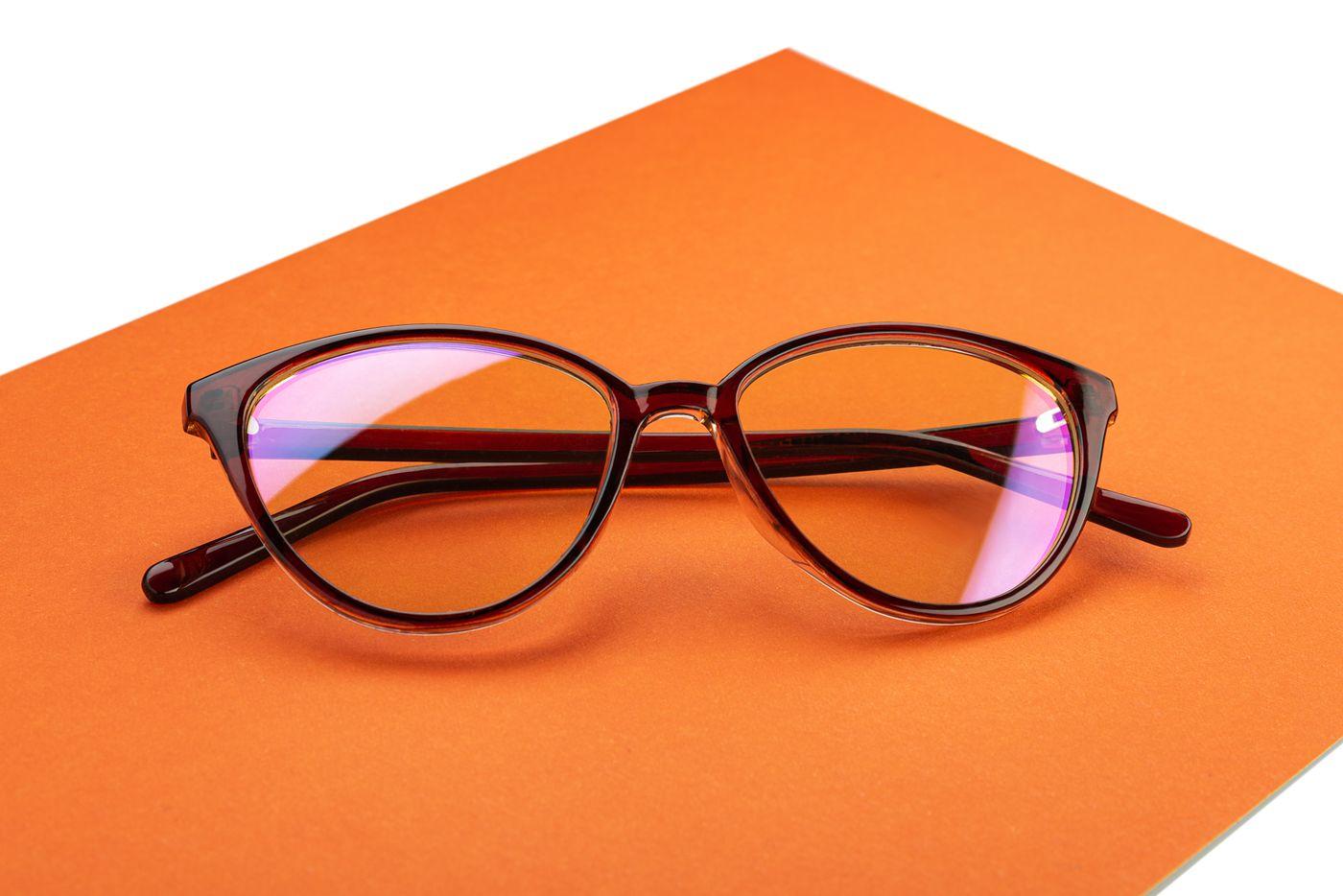
True amber lenses that cut the blue light your phone and TV pour out after dark.
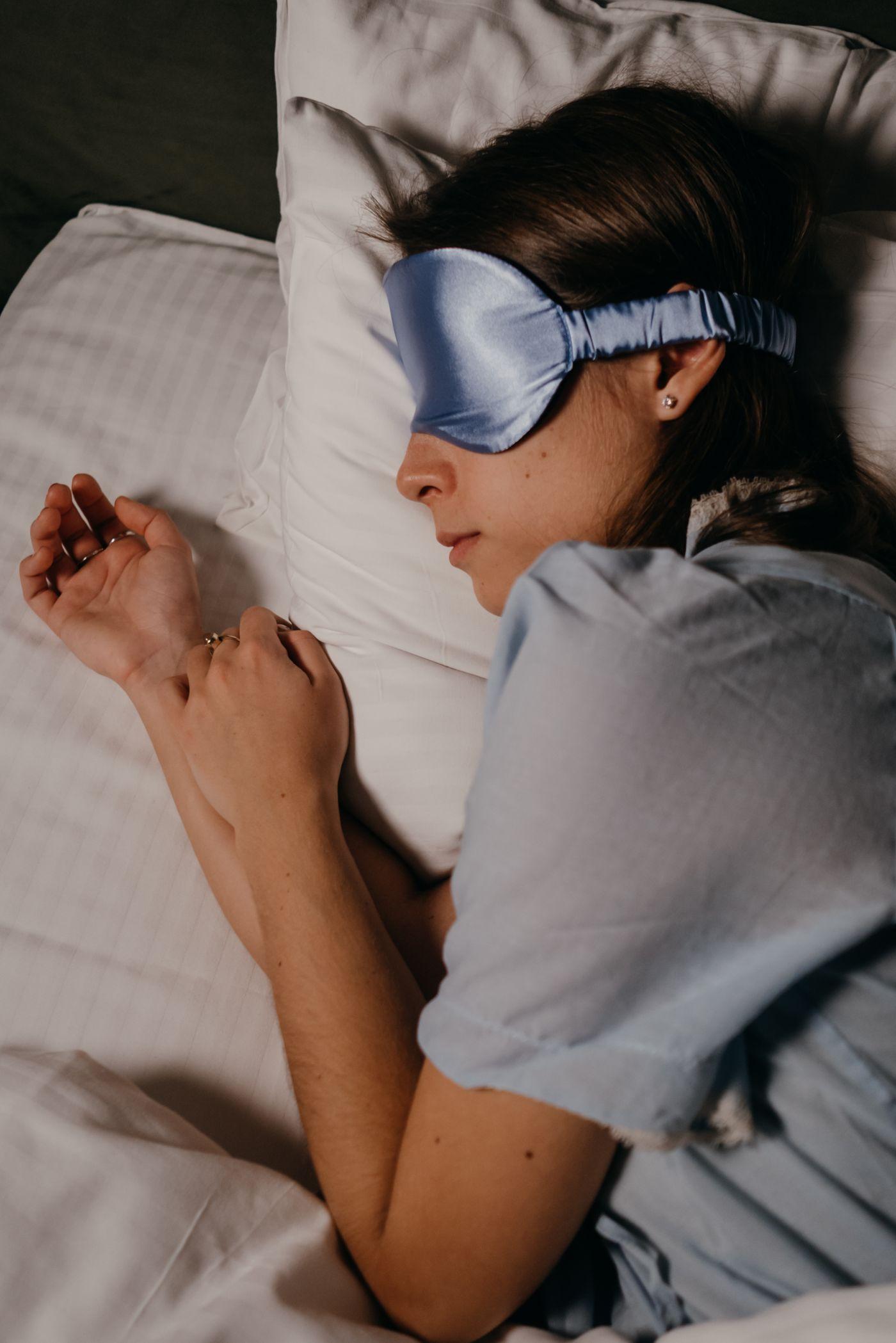
Molded eye cups, zero pressure on the eyes, no light leaks around the nose.
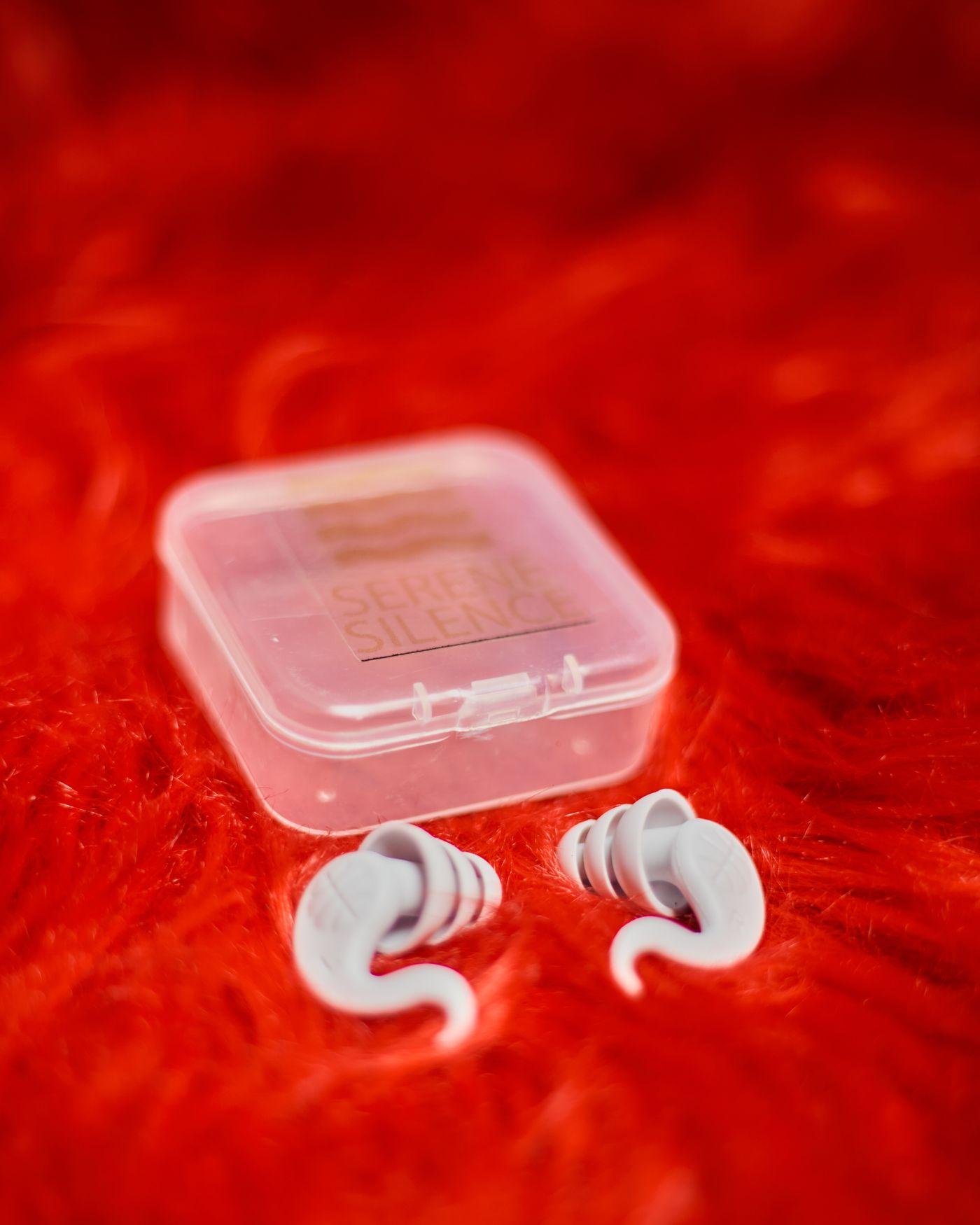
30 pairs, 33 dB rating. For snoring partners, hotels and thin walls.
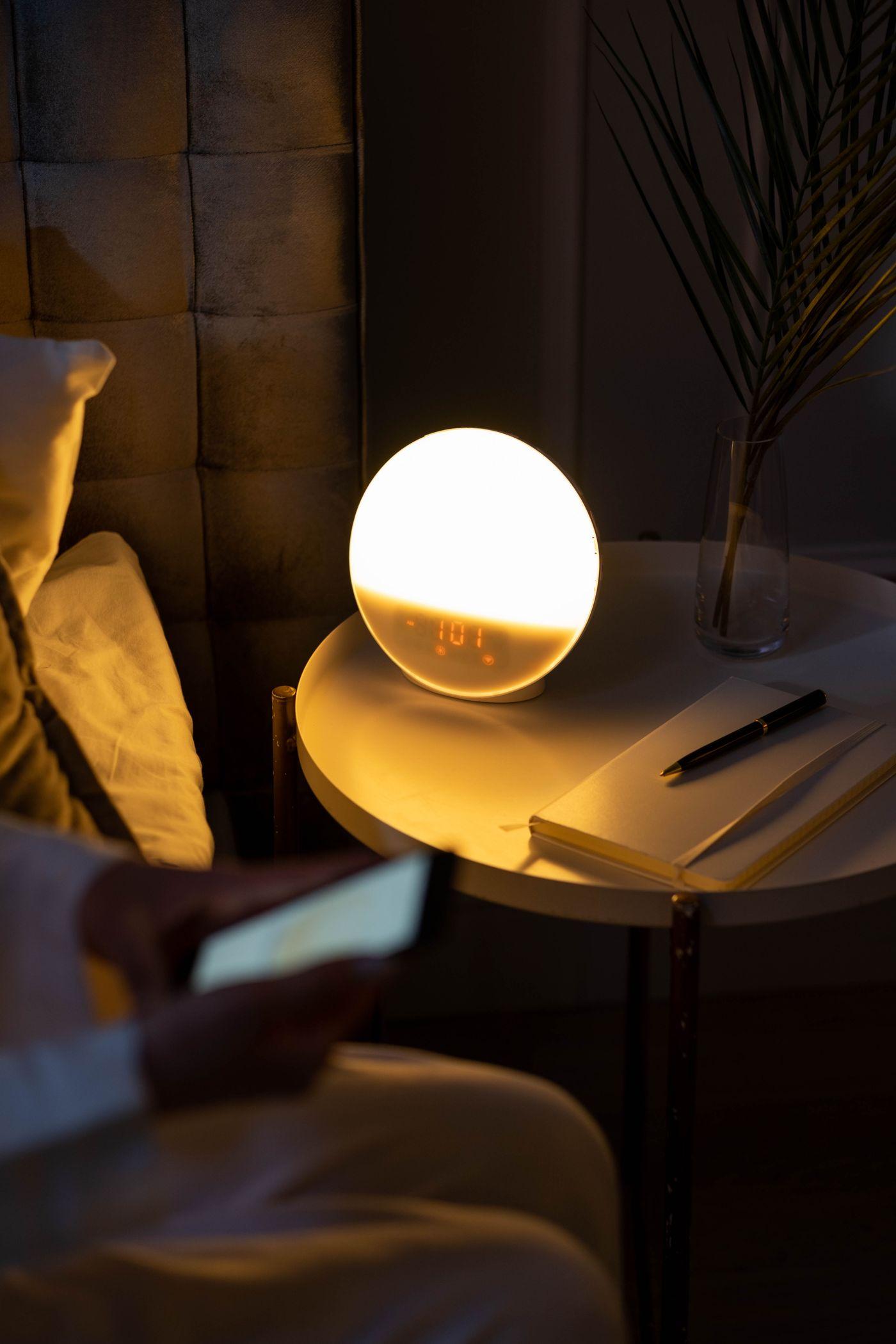
Brightens gradually over 20, 30 or 40 minutes so you wake before the sound does.
Keep reading
- How to Build a Bedroom That Puts You to Sleep: Light, Noise and Temperature, by the EvidenceWhat peer-reviewed studies and the Sleep Foundation say about the three physical conditions that decide whether you fall asleep—and which simple products fix each.5 min read
- Six Hours a Night for Two Weeks: You Feel Fine. Your Reaction Time Doesn'tIn a lab study, two weeks of 6-hour nights hurt attention as much as a full night with no sleep, and people barely felt it. What that means for you.6 min read
- Gifts for Someone Who Can't Sleep: Match the Gift to What Keeps Them UpBuying for someone who sleeps badly? Match the gift to what keeps them up, and see which sleep gifts have trials behind them and which have none.6 min read
Sources
- Tasali E, Wroblewski K, Kahn E, Kilkus J, Schoeller DA (2022). Effect of Sleep Extension on Objectively Assessed Energy Intake Among Adults With Overweight in Real-life Settings: A Randomized Clinical Trial. JAMA Internal Medicine, 182(4):365–374 — https://pubmed.ncbi.nlm.nih.gov/35129580/
- Al Khatib HK, Harding SV, Darzi J, Pot GK (2017). The effects of partial sleep deprivation on energy balance: a systematic review and meta-analysis. European Journal of Clinical Nutrition, 71(5):614–624 — https://pubmed.ncbi.nlm.nih.gov/27804960/
- Zhu B, Shi C, Park CG, Zhao X, Reutrakul S (2019). Effects of sleep restriction on metabolism-related parameters in healthy adults: A comprehensive review and meta-analysis of randomized controlled trials. Sleep Medicine Reviews, 45:18–30 — https://pubmed.ncbi.nlm.nih.gov/30870662/
- Zhou Q, Zhang M, Hu D (2019). Dose-response association between sleep duration and obesity risk: a systematic review and meta-analysis of prospective cohort studies. Sleep and Breathing, 23(4):1035–1045 — https://pubmed.ncbi.nlm.nih.gov/30941582/
- Spiegel K, Tasali E, Penev P, Van Cauter E (2004). Brief communication: Sleep curtailment in healthy young men is associated with decreased leptin levels, elevated ghrelin levels, and increased hunger and appetite. Annals of Internal Medicine, 141(11):846–850 — https://pubmed.ncbi.nlm.nih.gov/15583226/
- Taheri S, Lin L, Austin D, Young T, Mignot E (2004). Short sleep duration is associated with reduced leptin, elevated ghrelin, and increased body mass index. PLoS Medicine, 1(3):e62 — https://pubmed.ncbi.nlm.nih.gov/15602591/
- St-Onge MP, Grandner MA, Brown D, Conroy MB, Jean-Louis G, Coons M, Bhatt DL (2016). Sleep Duration and Quality: Impact on Lifestyle Behaviors and Cardiometabolic Health: A Scientific Statement From the American Heart Association. Circulation, 134(18):e367–e386 — https://pubmed.ncbi.nlm.nih.gov/27647451/
- Greer SM, Goldstein AN, Walker MP (2013). The impact of sleep deprivation on food desire in the human brain. Nature Communications, 4:2259 — https://pubmed.ncbi.nlm.nih.gov/23922121/
- Nedeltcheva AV, Kilkus JM, Imperial J, Schoeller DA, Penev PD (2010). Insufficient sleep undermines dietary efforts to reduce adiposity. Annals of Internal Medicine, 153(7):435–441 — https://pubmed.ncbi.nlm.nih.gov/20921542/
- Cappuccio FP, Taggart FM, Kandala NB, Currie A, Peile E, Stranges S, Miller MA (2008). Meta-analysis of short sleep duration and obesity in children and adults. SLEEP, 31(5):619–626 — https://pubmed.ncbi.nlm.nih.gov/18517032/
- CDC/NCHS (April 2026). Short Sleep Duration and Sleep Difficulties Among Adults: United States, 2024. NCHS Data Brief No. 559 — https://www.cdc.gov/nchs/products/databriefs/db559.htm
- CDC/NCHS (September 2024). Obesity and Severe Obesity Prevalence in Adults: United States, August 2021–August 2023. NCHS Data Brief No. 508 — https://www.cdc.gov/nchs/products/databriefs/db508.htm