Six Hours a Night for Two Weeks: You Feel Fine. Your Reaction Time Doesn't
In a lab study, two weeks of 6-hour nights hurt attention as much as a full night with no sleep, and people barely felt it. What that means for you.
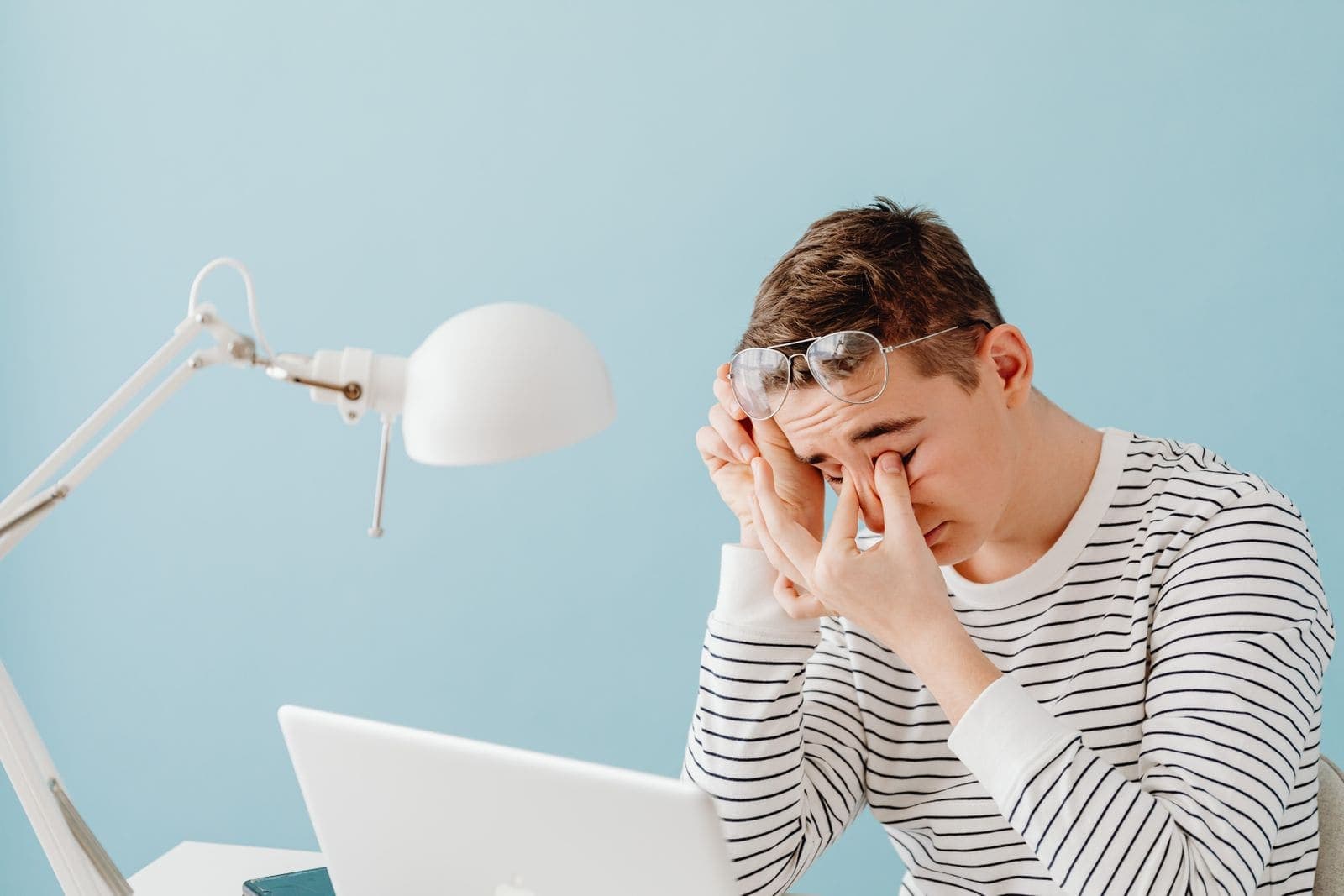
Ask someone who sleeps six hours a night how they're doing and you'll often hear some version of "fine, I'm used to it."
In a study published in 2003, a team led from the University of Pennsylvania put that claim through a controlled test. It involved 48 healthy adults, aged 21 to 38, living in a laboratory. Thirty-five were randomly assigned to four, six or eight hours in bed a night for 14 days straight. The other 13 got no sleep at all for three nights. Cognitive performance was tested throughout.
The eight-hour group showed only minor, non-significant changes in attention. The six-hour group got worse day after day, on every cognitive task. By the end, their attention lapses and working-memory scores matched those of people kept awake for a full night. The four-hour group matched two nights.
That alone would be worth knowing. The second finding is the one that should bother you. The short sleepers' own sleepiness ratings rose in the first days and then barely moved, even as their test scores kept sliding. By the end of the two weeks, when performance was at its worst, people in the four- and six-hour groups reported feeling only slightly sleepy. The researchers' reading was that the volunteers were largely unaware of how impaired they had become.
"I'm used to it" turns out to be an accurate description of the feeling and a poor description of the brain.
The numbers
Three in ten American adults sleep less than seven hours. In the CDC's 2024 National Health Interview Survey, 30.5% of US adults averaged under seven. The share peaks in middle age: 33.4% of people aged 35 to 49 and 34.5% of those 50 to 64.
Seven hours is the line. A joint panel of the American Academy of Sleep Medicine and the Sleep Research Society concluded in 2015 that adults should sleep seven or more hours a night on a regular basis. The AASM's announcement quotes the panel's moderator putting it more bluntly: six or fewer hours is inadequate to sustain health and safety.
Seventeen hours awake is like a blood alcohol level of 0.05%. That is the comparison the CDC's occupational safety institute uses in its training for nurses. At 24 hours awake it is 0.10%.
633 people died in crashes involving drowsy drivers in 2023. That is NHTSA's count for the US, 1.5% of all traffic fatalities that year.
A second study, and a nastier detail
Around the same time as the Pennsylvania experiment, researchers at the Walter Reed Army Institute of Research ran their own version. Sixty-six volunteers spent a week on three, five, seven or nine hours in bed, then had three recovery nights of eight hours.
The nine-hour group stayed at baseline. In the five- and seven-hour groups, reaction speed on a vigilance test dropped and then levelled off at a lower plateau. The researchers read that as the brain adapting: it stabilizes, but at reduced capacity.
Here's the nasty part. After three full recovery nights, the five- and seven-hour groups still hadn't climbed back. Their speed stayed at the reduced level, with no sign of recovery.
Two things follow. In that study, three nights of eight hours in bed did not undo a week of short ones, which is a poor omen for the weekend lie-in. And look at which group was slowed, if modestly: seven hours in bed. Both experiments controlled time in bed, and nobody sleeps every minute they're lying down. Seven hours in bed is less than seven hours of sleep. The Pennsylvania study's "six" was hours in bed too.
How bad is "impaired"?
The comparison people remember is alcohol, and it holds up.
In an Australian study, 39 people, most of them transport-industry workers, were tested both while going without sleep and after measured doses of alcohol. After 17 to 19 hours awake, their performance on some tests was as bad as, or worse than, at a blood alcohol concentration of 0.05%. Kept awake longer, they matched a BAC of 0.1%.
Seventeen hours isn't exotic. Up at 6 a.m., and you're there at 11 p.m. On the drive home from a late shift or a red-eye, you may well have passed it.
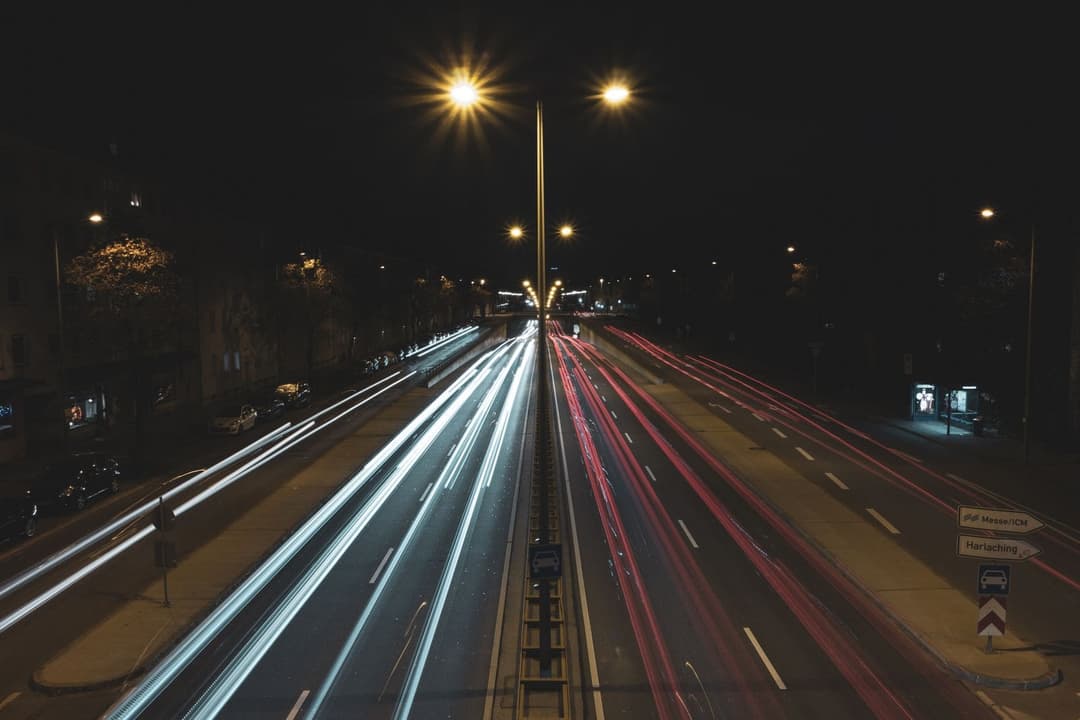
The NHLBI describes the everyday version in plain terms: sleep deficiency can leave you with trouble learning, focusing and reacting.
What to actually do
Plan by the clock, not by how you feel. That is the whole lesson of the Pennsylvania study: the internal gauge is the instrument that fails. If your nights are regularly under seven hours, assume you're slower than you think, whatever your energy level says.
Budget time in bed, not just sleep. To get seven hours of sleep you need more than seven in bed. If the alarm is set for 6:30, lights out by 11 gives you seven and a half hours to work with. Midnight doesn't.
The Pennsylvania team's statistical model offers a second way to think about it. Across the group, attention lapses tracked how long people had been awake beyond 15.84 hours a day. That leaves a little over eight hours for sleep. It's a group average, and people in the study varied considerably around it, so treat it as a rough guide: if you're routinely awake 18 hours, you're running about two hours over it every day.
Use a 17-hour rule for anything that can hurt someone. If you've been up 17 hours or more, treat driving the way you would if you'd been drinking. Get a ride, take the train, or sleep first.
And when you're paying back a rough stretch, give it more than a weekend. Three good nights weren't enough in the Walter Reed study. It doesn't say how many it takes, only that three fell short, so plan for longer.
What can help: nothing replaces the hours. These may help you get a little more out of the ones you get.
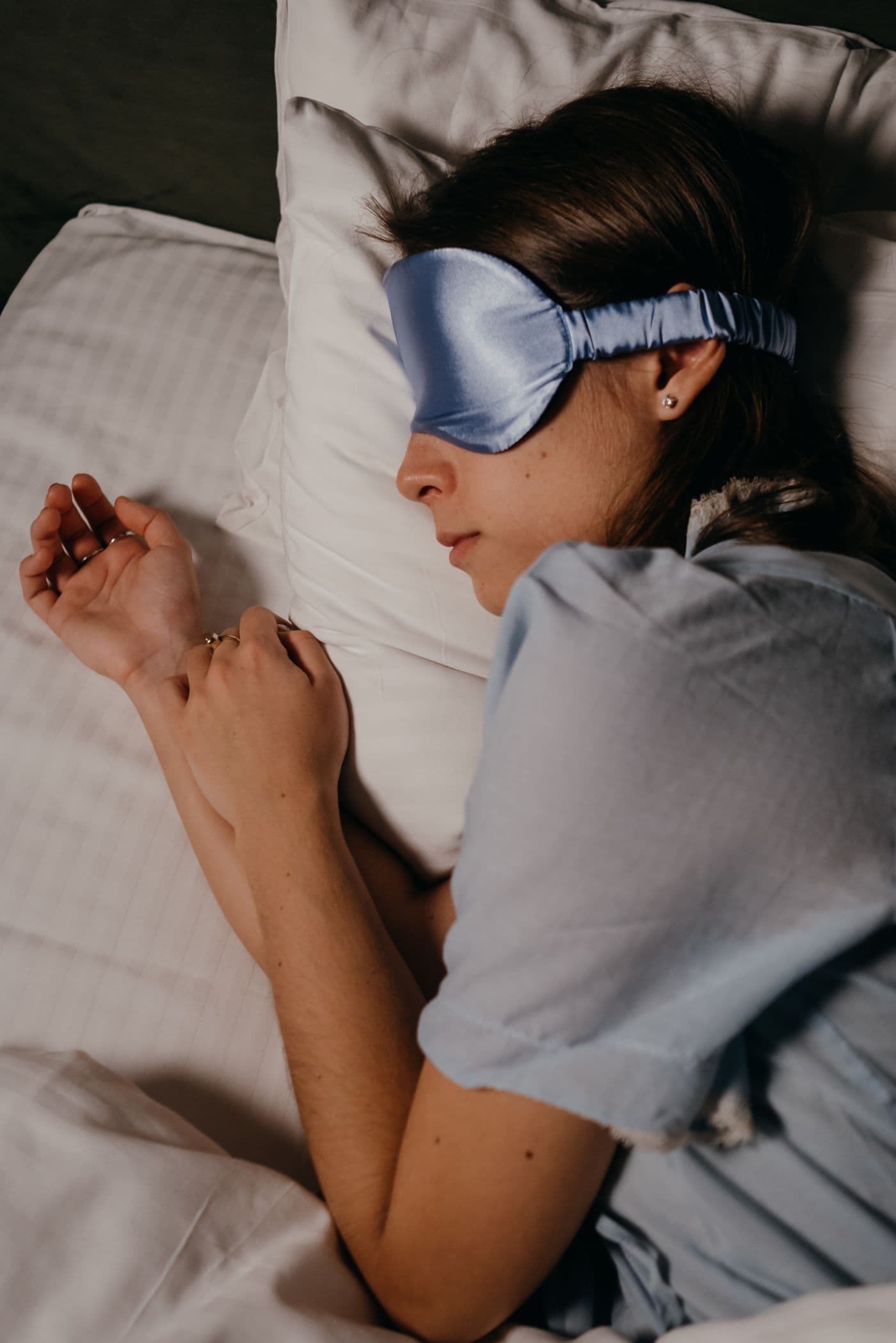
- A sleep mask. In a 2023 study in the journal SLEEP, about 90 adults aged 18 to 35 did slightly better on a word-learning test and reacted slightly faster after a week of sleeping in an eye mask than after a week with their eyes uncovered. They did not report feeling more alert.
- Earplugs or a white noise machine, if noise is what cuts your night short. Keep expectations modest. A 2021 review of 38 studies rated the evidence that continuous noise improves sleep as very low quality, and in trials on intensive-care patients, earplugs alone made no significant difference to sleep quality while eye masks did.
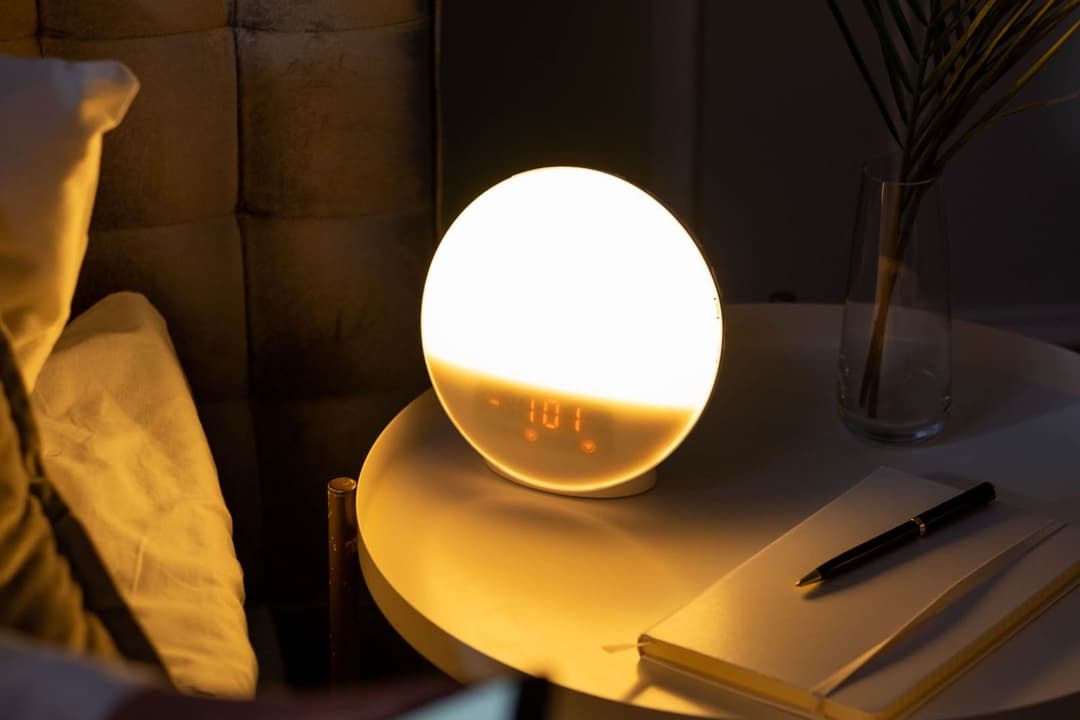
- A sunrise alarm clock, if getting up at a fixed time is the hard part. In two small trials, of 16 and 8 people who found waking difficult, simulated dawn left them feeling more alert afterwards. The larger trial had financial support from the maker of the wake-up light it tested.
What these studies can't tell you
The two restriction experiments used small groups of healthy volunteers living in a laboratory (in the Pennsylvania one, nobody was over 38), and they measured performance on tests, not anyone's actual job. Real life is messier, and these studies can't say exactly how the numbers carry over to yours. That is not a reason to relax. The one finding that travels well is that people couldn't feel the decline.
One more distinction. Everything here is about people who could sleep longer and don't. If you're giving yourself eight hours in bed and still can't sleep, or you sleep plenty and wake up exhausted, more time in bed isn't the fix. That calls for a different conversation.
The takeaway
Within days, short sleep stops feeling much worse. In both studies, performance stayed down.
This article is general information, not medical advice. If you can't sleep despite enough time in bed, or you're tired every day despite sleeping seven or more hours, talk to a doctor.
Products mentioned
 Save $7
Molded eye cups, zero pressure on the eyes, no light leaks around the nose.
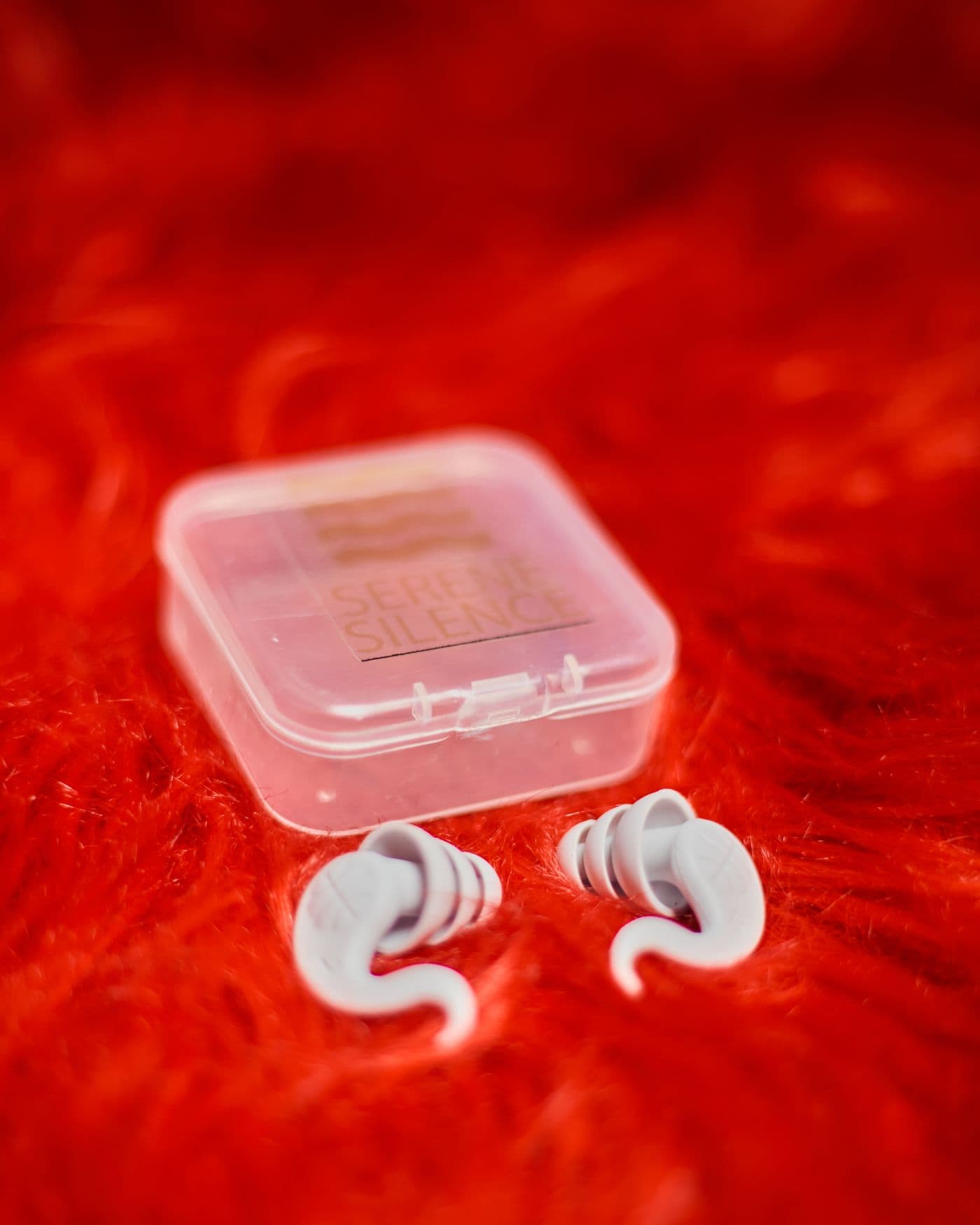
20 pairs, 32 dB rating. For snoring partners, hotels and thin walls.
 Save $10
Non-looping fan and pink noise with a timer. Masks the sounds that wake you.
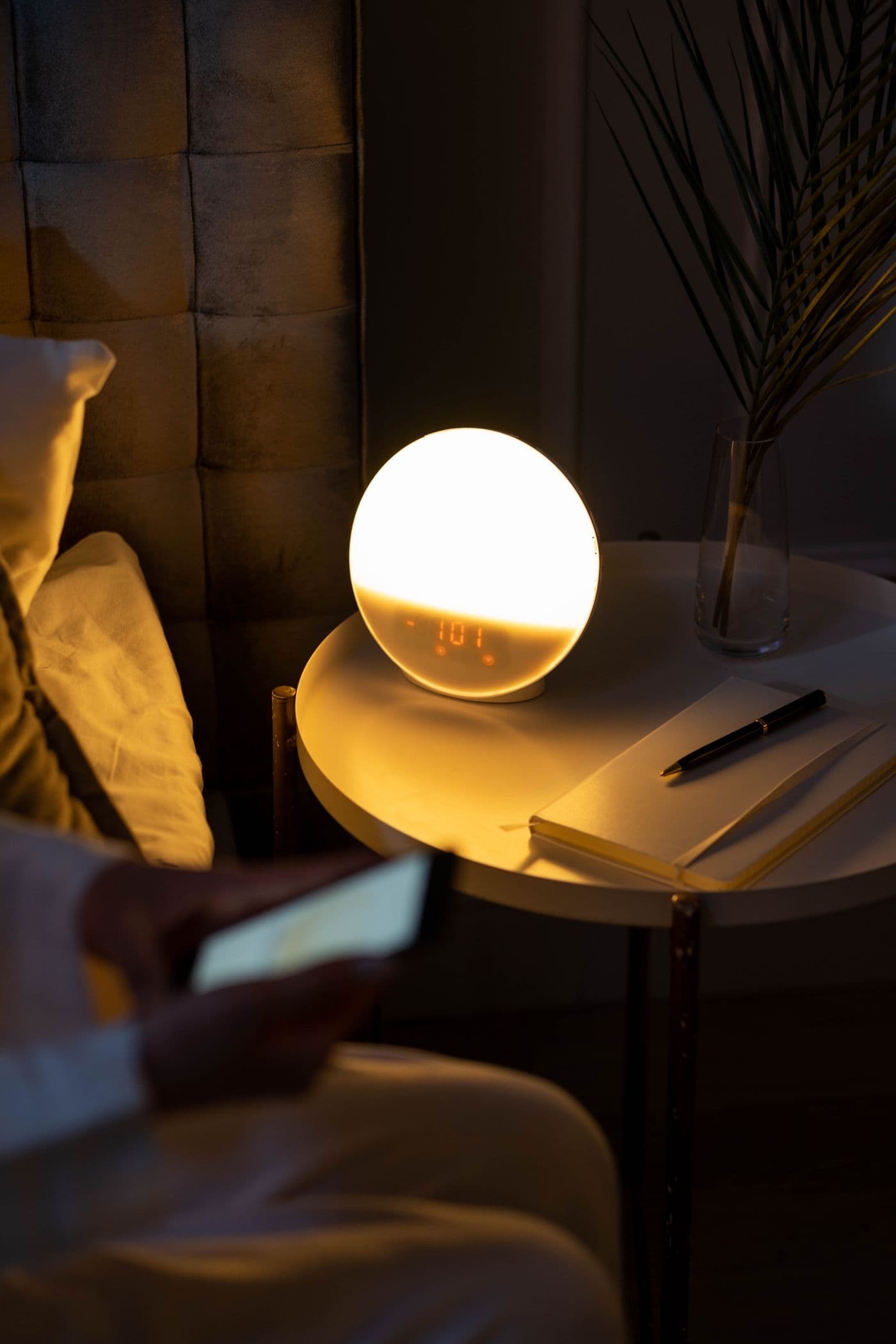
Brightens gradually over 30 minutes so you wake before the sound does.
Sources
- Van Dongen HPA, Maislin G, Mullington JM, Dinges DF (2003). The cumulative cost of additional wakefulness: dose-response effects on neurobehavioral functions and sleep physiology from chronic sleep restriction and total sleep deprivation. Sleep, 26(2):117-126 — https://pubmed.ncbi.nlm.nih.gov/12683469/
- Belenky G, Wesensten NJ, Thorne DR, et al. (2003). Patterns of performance degradation and restoration during sleep restriction and subsequent recovery: a sleep dose-response study. Journal of Sleep Research, 12(1):1-12 — https://pubmed.ncbi.nlm.nih.gov/12603781/
- Williamson AM, Feyer AM (2000). Moderate sleep deprivation produces impairments in cognitive and motor performance equivalent to legally prescribed levels of alcohol intoxication. Occupational and Environmental Medicine, 57(10):649-655 — https://pubmed.ncbi.nlm.nih.gov/10984335/
- Watson NF, Badr MS, Belenky G, et al. (2015). Recommended amount of sleep for a healthy adult: a joint consensus statement of the American Academy of Sleep Medicine and Sleep Research Society. Sleep, 38(6):843-844 — https://pubmed.ncbi.nlm.nih.gov/26039963/
- American Academy of Sleep Medicine (1 Jun 2015). Seven or more hours of sleep per night: A health necessity for adults — https://aasm.org/seven-or-more-hours-of-sleep-per-night-a-health-necessity-for-adults/
- CDC/NCHS Data Brief No. 559 (April 2026). Short Sleep Duration and Sleep Difficulties Among Adults: United States, 2024 — https://www.cdc.gov/nchs/products/databriefs/db559.htm
- CDC/NIOSH. NIOSH Training for Nurses on Shift Work and Long Work Hours, Module 3: Impairments due to sleep deprivation are similar to impairments due to alcohol intoxication — https://www.cdc.gov/niosh/work-hour-training-for-nurses/longhours/mod3/08.html
- NHTSA (April 2025). Overview of Motor Vehicle Traffic Crashes in 2023, Research Note DOT HS 813 705 — https://crashstats.nhtsa.dot.gov/Api/Public/ViewPublication/813705
- NHLBI, National Institutes of Health (updated 24 Mar 2022). What Are Sleep Deprivation and Deficiency? — https://www.nhlbi.nih.gov/health/sleep-deprivation
- Greco V, Bergamo D, Cuoccio P, Konkoly KR, Munoz Lombardo K, Lewis PA (2023). Wearing an eye mask during overnight sleep improves episodic learning and alertness. Sleep, 46(3):zsac305 — https://pubmed.ncbi.nlm.nih.gov/36521010/
- Riedy SM, Smith MG, Rocha S, Basner M (2021). Noise as a sleep aid: a systematic review. Sleep Medicine Reviews, 55:101385 — https://pubmed.ncbi.nlm.nih.gov/33007706/
- Fang CS, Wang HH, Wang RH, Chou FH, Chang SL, Fang CJ (2021). Effect of earplugs and eye masks on the sleep quality of intensive care unit patients: a systematic review and meta-analysis. Journal of Advanced Nursing, 77(11):4321-4331 — https://pubmed.ncbi.nlm.nih.gov/34096647/
- Van de Werken M, Gimenez MC, de Vries B, Beersma DG, Van Someren EJ, Gordijn MC (2010). Effects of artificial dawn on sleep inertia, skin temperature, and the awakening cortisol response. Journal of Sleep Research, 19(3):425-435 — https://pubmed.ncbi.nlm.nih.gov/20408928/
- Thompson A, Jones H, Gregson W, Atkinson G (2014). Effects of dawn simulation on markers of sleep inertia and post-waking performance in humans. European Journal of Applied Physiology, 114(5):1049-1056 — https://pubmed.ncbi.nlm.nih.gov/24509892/