Sleep After 60: A 4-Week Behavioral Plan Helped 2 in 3 With Insomnia
Waking more at night after 60? Here is what is normal aging, what is not, and the 4-week plan that beat printed advice in a trial of older adults.
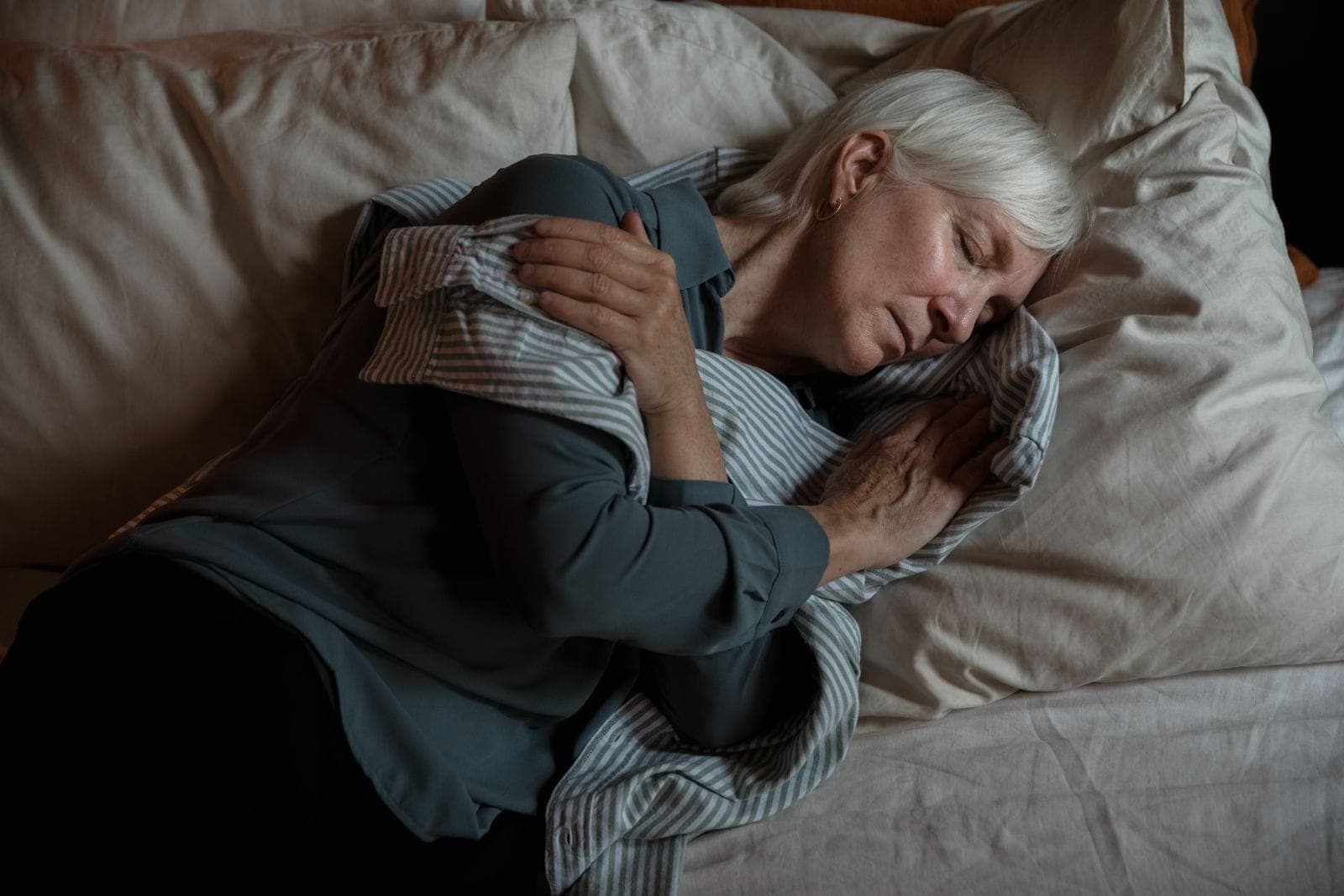
In a 2004 study, researchers at Brigham and Women's Hospital in Boston reanalyzed sleep-lab recordings of 13 healthy older volunteers and 11 young ones who had been scheduled to sleep at many different points of the body clock, with sensors recording each moment of sleep and waking. The older group woke from sleep about 2.7 times as often. Yet once awake, they fell back asleep just as fast as the younger group.
That captures what changes after 60. Sleep gets lighter and more broken; getting back to sleep is not supposed to get harder. When it does, night after night, that usually has a name, and it responds to treatment.
The numbers
Staying asleep plateaus. In the CDC's 2024 National Health Interview Survey, trouble staying asleep most days or every day rose from 12.7% of US adults aged 18 to 34 to 22.3% at 50 to 64, then held at a similar 21.7% among those 65 and older.
Falling asleep gets no harder. In the same 2024 survey, trouble falling asleep went down with age, from 18.3% of adults 18 to 34 to 12.8% of adults 65 and older.
Short sleep is less common after 65. The CDC found 27.2% of US adults 65 and older slept less than 7 hours, against 34.5% of those aged 50 to 64.
The need does not shrink. The National Institute on Aging says older adults need about the same amount of sleep as all adults, 7 to 9 hours a night (page reviewed in 2025).
Change slows after 60. A 2004 meta-analysis led by Stanford researchers, published in Sleep, of 65 studies covering 3,577 healthy people aged 5 to 102 found that, of all the measures it tracked, only sleep efficiency kept falling significantly after age 60.
Lighter sleep is normal. Most of the change comes before 60
As we age, sleep holds on less tightly, so we surface more often during the night. A 2018 review in Sleep Medicine Clinics reports that in the 2004 meta-analysis, time awake after first falling asleep rose a steady 10 minutes per decade from age 30 to 60 and then stayed mostly unchanged. The review's summary is blunt: most sleep measures remain unchanged after 60 in healthy older adults.
There is a catch. The over-60s in that analysis were, in the review's words, older adults with excellent health. Real life adds what the review lists as common companions of aging: medical and psychiatric illness, sleep disorders such as insomnia, sleep apnea and restless legs, and changes in lifestyle and surroundings.
So if your nights got noticeably worse after 60, look for something else that changed before blaming age.
The bedroom is one place to start. In a 2023 Boston study of 50 adults aged 65 and older, followed for up to a year with a sleep tracker and a bedroom sensor, sleep was most efficient and restful when the room stayed between 68 and 77°F (20 to 25°C). Sleep efficiency dropped 5 to 10% as the room warmed from 77°F to 86°F (25 to 30°C). It was an observational study in one city, so it shows a link, not proof.
The body clock runs about an hour early
The National Institute on Aging notes that older people tend to go to sleep earlier and get up earlier than they did when younger. The 2018 review puts a number on it: the sleep-wake cycle, the body temperature rhythm and the timing of melatonin and cortisol all run about one hour earlier in older people than in young adults.
That explains the 5 a.m. wide-awake feeling. An early clock is not a disorder if you go to bed early enough to get your 7 hours. Trouble starts when you stay up late anyway and still wake at dawn.
The institute's practical advice here is simple: avoid napping in the late afternoon or evening.
When it is insomnia: a 4-week plan that worked
The treatment with a strong record here involves no pills. It builds sleep pressure and retrains the bed as a place for sleep.
In a University of Pittsburgh trial published in 2011, 79 older adults with chronic insomnia (average age 71.7, most with other health conditions) were randomly assigned to a brief behavioral treatment or to printed educational material. The treatment was one session of 45 to 60 minutes, a 30-minute follow-up two weeks later and two 20-minute phone calls, all delivered by a nurse practitioner with no prior experience in sleep medicine. After 4 weeks, 67% of the treated group responded, against 25% of the comparison group. Fifty-five percent no longer had insomnia, against 13%. The trial was funded by the NIH.
The gains showed up in sleep diaries and wrist monitors, not in overnight brain recordings at home. Among responders followed up, the benefit held at 6 months.
Other trials point the same way. A 2023 meta-analysis pooled 4 randomized trials of the same brief treatment in 190 adults aged 60 and older and found significant insomnia remission, with less time awake at night. A 2006 meta-analysis from UCLA of 23 trials found behavioral treatments helped adults over 55 about as much as middle-aged adults.
The Pittsburgh program had four rules:
- Reduce your time in bed. The trial set it at your average sleep time plus 30 minutes, never less than 6 hours.
- Get up at the same time every day, however the night went.
- Do not go to bed unless you feel sleepy.
- Do not stay in bed unless you are asleep.
Total sleep can dip at first, because the plan works by building up sleep pressure; in the Pittsburgh trial it recovered once time in bed was relaxed. Trial participants had a clinician guiding them.
What can help: None of these has been tested in older adults with broken sleep. They target the things that can wake you more easily once sleep is lighter.
- Contoured blackout sleep mask: for early dawn light through thin curtains, which matters more with a body clock that already wants to wake early. We know of no trial in this age group.
- Soft foam earplugs: for a snoring partner or street noise. Thin evidence; no home trial in older adults that we know of.
- Cooling duvet cover: for people who wake up hot. The Boston findings point to a room of 68 to 77°F; a cover cannot cool a hot room, and it was not tested.
Where people go wrong
Reaching for an antihistamine. Diphenhydramine is also used to treat insomnia in adults, MedlinePlus notes. The American Geriatrics Society's 2023 Beers Criteria advise older adults to avoid it and similar antihistamines such as doxylamine (moderate-quality evidence, strong recommendation): they are highly anticholinergic, the body clears them more slowly with age, tolerance develops when they are used for sleep, and they carry a risk of confusion. The same criteria advise avoiding the prescription "Z-drugs" such as zolpidem, citing falls, fractures and car crashes, with minimal improvement in how fast or how long people sleep. If you already take one, talk to your prescriber before stopping.
Spending longer in bed to make up for it. That is the opposite of what worked in the Pittsburgh trial.
Late-afternoon naps. The National Institute on Aging advises against them.
Writing it off as age. Loud snoring, gasping at night, or leg discomfort that makes you move deserve a conversation with a clinician, because they point to conditions that can be treated.
The behavioral plan is not for everyone without guidance. The Pittsburgh trial excluded people with dementia and with untreated psychiatric or other sleep disorders, and restricting time in bed usually shortens sleep at first.
A plan for the next four weeks
- Count your average hours of actual sleep for a week, then set your time in bed to that plus 30 minutes, never under 6 hours.
- Fix one wake-up time for every day of the week.
- Go to bed only when sleepy; get up if you are lying awake.
- Skip naps after mid-afternoon.
- Keep the bedroom at 68 to 77°F, dark and quiet.
- Read the label on any nighttime pain or sleep pill for diphenhydramine or doxylamine.
- Ask your doctor about brief behavioral therapy for insomnia if broken nights continue.
This article is general information, not medical advice. If you have trouble sleeping on most nights for several weeks, snore loudly, stop breathing or gasp in your sleep, or feel very sleepy during the day, see a clinician.
Products mentioned
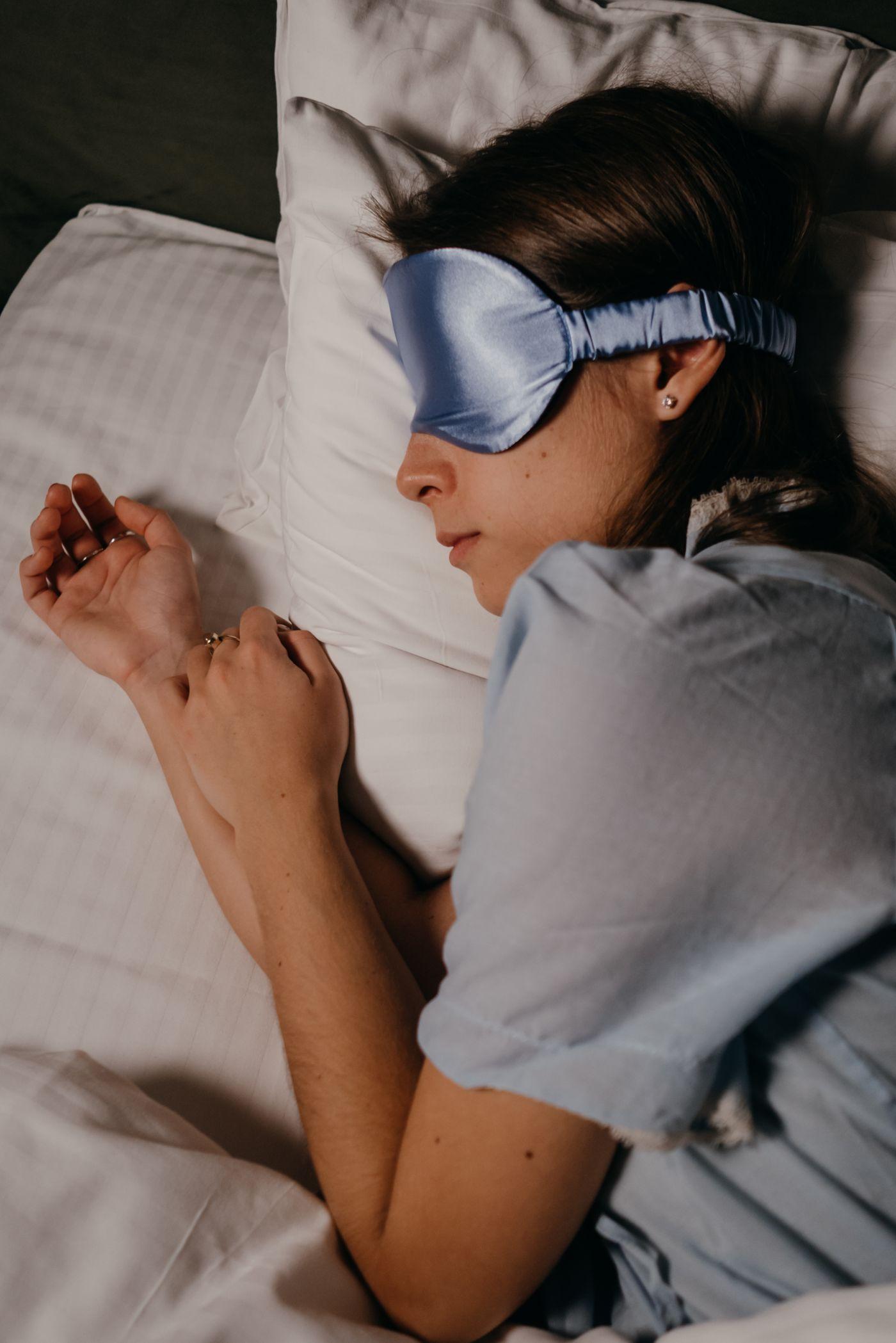
Molded eye cups, zero pressure on the eyes, no light leaks around the nose.
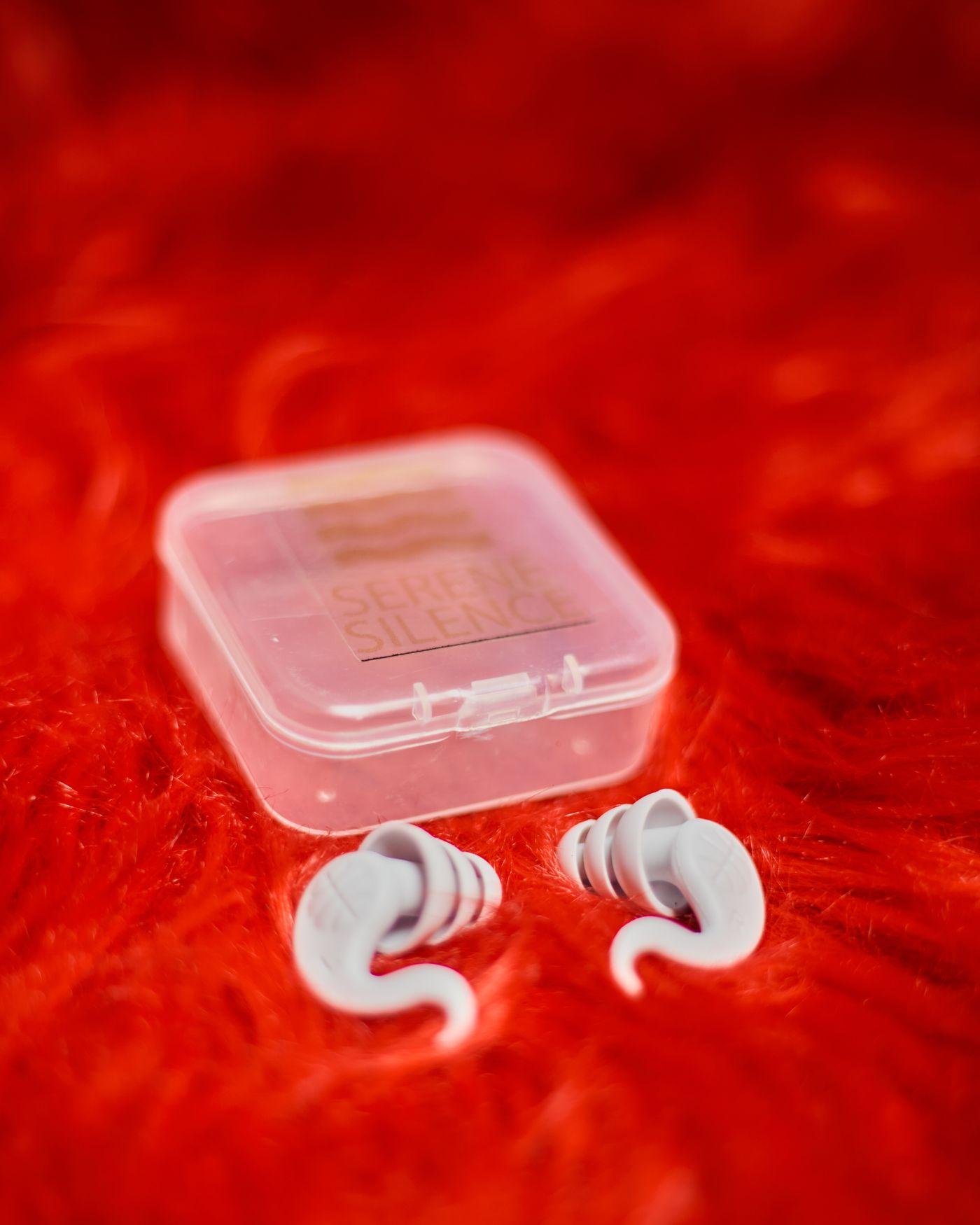
30 pairs, 33 dB rating. For snoring partners, hotels and thin walls.
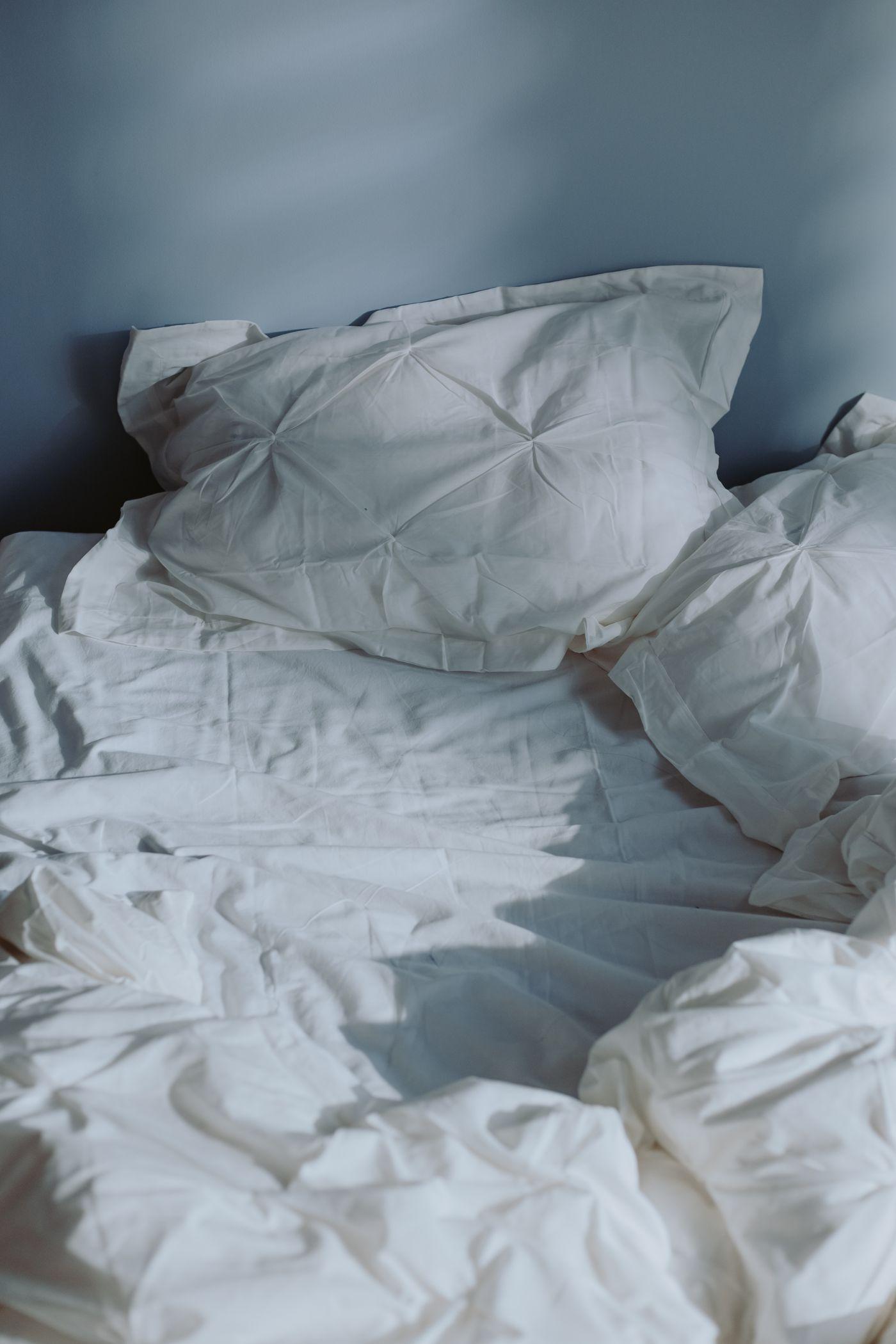
Tencel lyocell and cotton cover for hot sleepers. Queen, with two shams.
Keep reading
- How Much Sleep You Need by Age: Only 1 in 4 High Schoolers Gets ItFrom 14 to 17 hours for a newborn to 7 or more for most adults: the official chart by age, where its numbers come from, and how to plan your own night.6 min read
- How to Get Over Jet Lag: Your Body Clock Moves About 1 Hour a DayLanded and wide awake at 3 a.m.? Your body clock catches up only 1 to 1.5 hours a day. Light, dark and melatonin timing can speed it up.7 min read
- Gifts for Someone Who Can't Sleep: Match the Gift to What Keeps Them UpBuying for someone who sleeps badly? Match the gift to what keeps them up, and see which sleep gifts have trials behind them and which have none.6 min read
Sources
- Ng AE, Black LI, Adjaye-Gbewonyo D (2026). Short Sleep Duration and Sleep Difficulties Among Adults: United States, 2024. NCHS Data Brief No. 559 — https://www.cdc.gov/nchs/products/databriefs/db559.htm
- National Institute on Aging (reviewed 2025). Sleep and Older Adults — https://www.nia.nih.gov/health/sleep/sleep-and-older-adults
- Ohayon MM, Carskadon MA, Guilleminault C, Vitiello MV (2004). Meta-analysis of quantitative sleep parameters from childhood to old age in healthy individuals. Sleep, 27(7):1255-1273 — https://pubmed.ncbi.nlm.nih.gov/15586779/
- Li J, Vitiello MV, Gooneratne NS (2018). Sleep in Normal Aging. Sleep Medicine Clinics, 13(1):1-11 — https://pubmed.ncbi.nlm.nih.gov/29412976/
- Klerman EB, Davis JB, Duffy JF, Dijk DJ, Kronauer RE (2004). Older people awaken more frequently but fall back asleep at the same rate as younger people. Sleep, 27(4):793-798 — https://pubmed.ncbi.nlm.nih.gov/15283016/
- Buysse DJ, Germain A, Moul DE, et al. (2011). Efficacy of brief behavioral treatment for chronic insomnia in older adults. Archives of Internal Medicine, 171(10):887-895 — https://pubmed.ncbi.nlm.nih.gov/21263078/
- Chen YC, Lu TH, Ku EN, et al. (2023). Efficacy of brief behavioural therapy for insomnia in older adults with chronic insomnia: a systematic review and meta-analysis from randomised trials. Age and Ageing, 52(1):afac333 — https://pubmed.ncbi.nlm.nih.gov/36702516/
- Irwin MR, Cole JC, Nicassio PM (2006). Comparative meta-analysis of behavioral interventions for insomnia and their efficacy in middle-aged adults and in older adults 55+ years of age. Health Psychology, 25(1):3-14 — https://pubmed.ncbi.nlm.nih.gov/16448292/
- MedlinePlus, National Library of Medicine. Diphenhydramine — https://medlineplus.gov/druginfo/meds/a682539.html
- 2023 American Geriatrics Society Beers Criteria Update Expert Panel (2023). American Geriatrics Society 2023 updated AGS Beers Criteria for potentially inappropriate medication use in older adults. Journal of the American Geriatrics Society, 71(7):2052-2081 — https://pubmed.ncbi.nlm.nih.gov/37139824/
- Baniassadi A, Manor B, Yu W, Travison T, Lipsitz L (2023). Nighttime ambient temperature and sleep in community-dwelling older adults. Science of the Total Environment, 899:165623 — https://pubmed.ncbi.nlm.nih.gov/37474050/