Your Last Coffee Needs a Nine-Hour Head Start on Bedtime
A 2023 meta-analysis puts the coffee cut-off at 8.8 hours before bed. Why you may not feel the sleep you lose, and how to time your last cup.
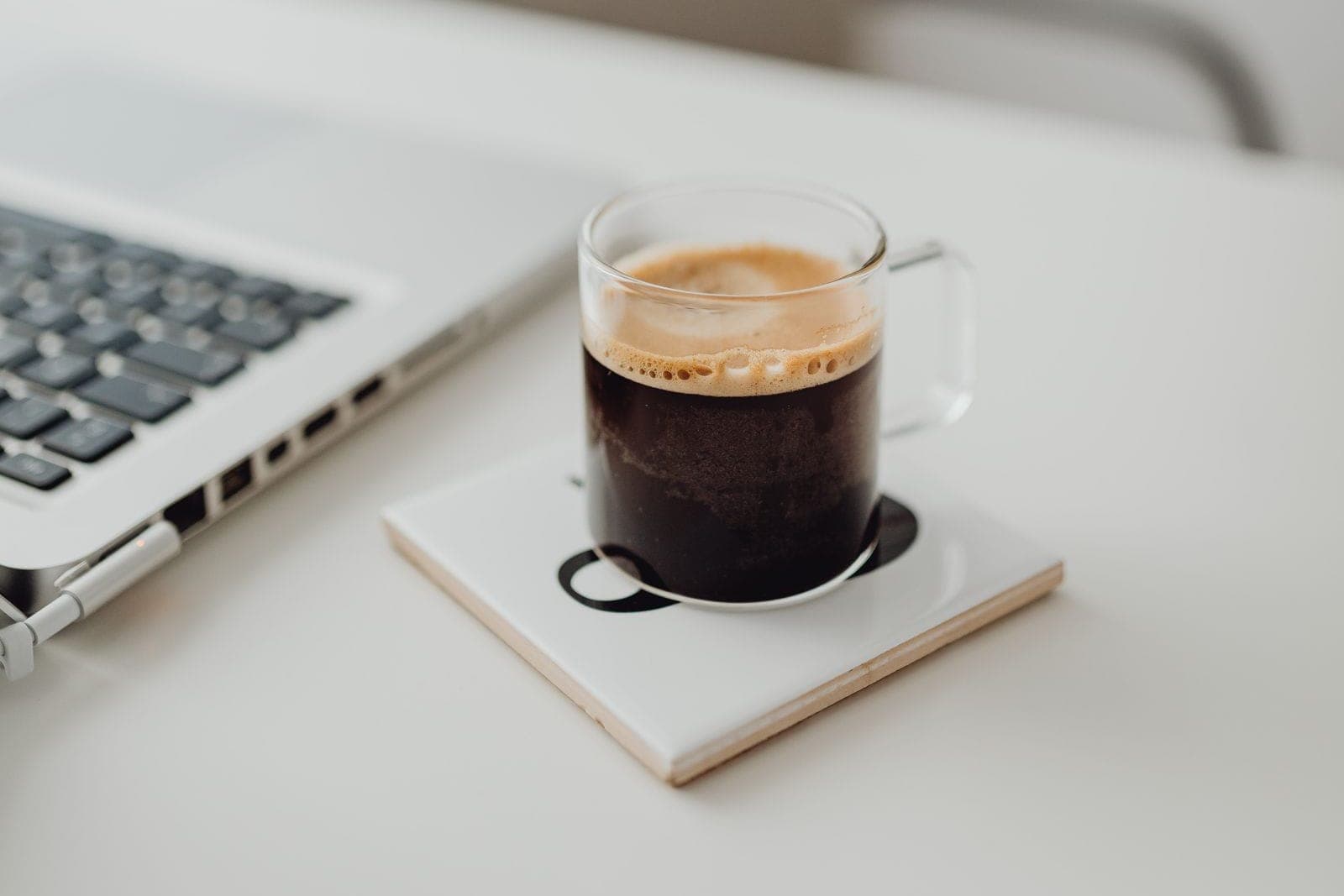
In a study published in 2013, researchers at Henry Ford Hospital in Detroit gave 12 healthy sleepers three pills an evening on four study days: one to take six hours before bed, one three hours before, one at bedtime. On three of those days, a single pill held 400 mg of caffeine. On the other, all three were blanks. Nobody knew which was which. A headband monitor at home recorded how each person slept.
Caffeine at bedtime cut their sleep. No surprise there. Caffeine three hours earlier did too. The six-hour result is the striking one: a dose taken at 5 p.m., for someone in bed at 11, cost more than an hour of measured sleep.
At bedtime and at three hours, the volunteers' sleep diaries caught the damage. At six hours they didn't. The diaries showed a smaller drop, 41 minutes, that fell short of statistical significance. Only the monitor detected the loss, and the authors of the paper called that lack of awareness one of their important findings.
The numbers
400 mg a day is the usual ceiling. That is the amount the FDA says is not generally associated with negative effects in most adults, about two to three 12-ounce cups of coffee (page current as of August 2024). It is a daily total. It says nothing about when.
A "cup" can be 113 mg or 247. That is the FDA's range for 12 ounces of brewed coffee. Black tea has 71 mg in the same volume, green tea 37 mg, and decaf coffee 2 to 15 mg per 8 ounces.
Three in ten American adults are short on sleep. In the CDC's 2024 National Health Interview Survey, 30.5% of US adults averaged less than seven hours.
Caffeine costs 45 minutes of sleep. That is the pooled estimate in a 2023 review of 24 studies in healthy adults aged 18 to 65, published in Sleep Medicine Reviews.
The cut-off for a cup of coffee is 8.8 hours before bed. The same analysis estimated it, and put a pre-workout supplement at 13.2 hours.
The buzz ends long before the effect does
Caffeine is the one sleep disruptor many of us take on purpose and then forget about by dinner. That forgetting has a basis. MedlinePlus, the NIH's consumer health site, says caffeine peaks in your blood within an hour and that you may go on feeling it for four to six hours. So a 3 p.m. cup has stopped announcing itself by 9.
There is also a loop here that is easy to fall into. The authors of the 2023 meta-analysis open with exactly this worry: people reach for caffeine because they're short on sleep, and the caffeine may then undermine the next night.
What 24 studies add up to
The meta-analysis came from a group of sleep and sports scientists based in Australia. Besides the 45 minutes of lost sleep, caffeine cut sleep efficiency, the share of time in bed spent asleep, by 7%. People took 9 minutes longer to fall asleep and were awake an extra 12 minutes during the night.
Which of those do people feel? The paper checked, and the answer is lopsided. Taking longer to fall asleep, people notice: in 7 of the 10 studies that asked, volunteers reported it. The extra waking in the night, they don't. In the five studies that reported it, people sensed no change, even where recordings showed more time awake. The authors' reading is that brief stretches of wakefulness go largely unnoticed, and that caffeine's effect gets underestimated more the further from bedtime you take it.
That fits Detroit, where the six-hour dose's delay in falling asleep fell short of statistical significance, yet the night was still shorter and more broken on the monitor.
The mix of sleep shifted as well. Light stage-one sleep went up by 6.1 minutes and deep sleep went down by 11.4. Deep sleep is concentrated early in the night. The authors add that changes this size are unlikely, by themselves, to make a clinically meaningful difference to someone's sleep architecture.
The authors then worked out a cut-off. To avoid a significant loss of total sleep time, a cup of coffee (they used 107 mg of caffeine in 250 mL, about 8.5 ounces) should be finished at least 8.8 hours before bedtime. A standard serving of pre-workout supplement, at 217.5 mg, needs 13.2 hours.
Thirteen hours. For most people that means a pre-workout drink belongs to the morning or to nobody.
Do this
Count back 8.8 hours from the time you get into bed, and call it nine. In bed at 10 p.m.? The paper's own example puts the last coffee before 1:12 in the afternoon. At 11 p.m. it's 2:12. A midnight bedtime buys you until 3:12.
Then check the size of what you're drinking. The top of the FDA's range for a 12-ounce brewed coffee, 247 mg, is more than the pre-workout dose in the meta-analysis. If your usual order is large and strong, treat it by the 13-hour rule: for an 11 p.m. bedtime, done by about 9:50 a.m.
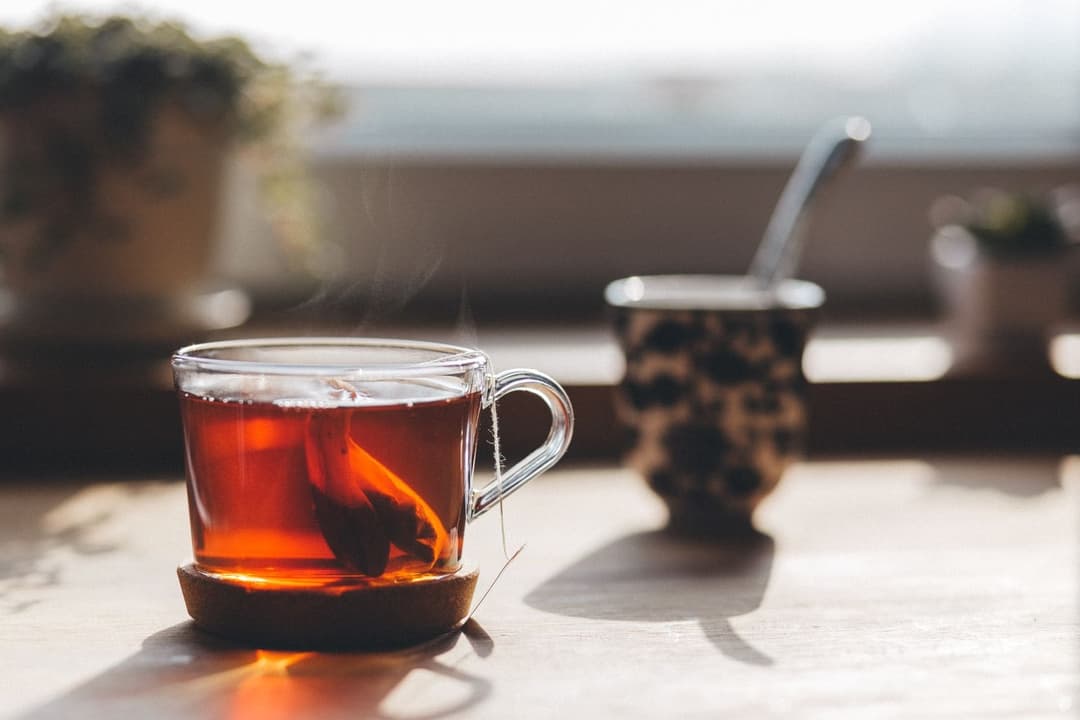
After the cut-off, switch down. The same paper modelled a cup of black tea, at 47 mg in 250 mL, and found no cut-off at all: at that dose it could be drunk at any time before bed without a significant loss of total sleep time. Two limits on that. The result is about total sleep time only. And a 12-ounce mug of black tea is 71 mg by the FDA's table, more than the dose modelled.
Give it two weeks before you judge, and don't judge by how long you think you lay awake in the night. In the five studies that asked, that went unnoticed. Track total time asleep, with a tracker if you have one, and whether you need less coffee the next afternoon.
What can help: nothing in our range cancels caffeine. The timing does that. Two things may make an earlier cut-off easier to live with, though neither was tested for that.
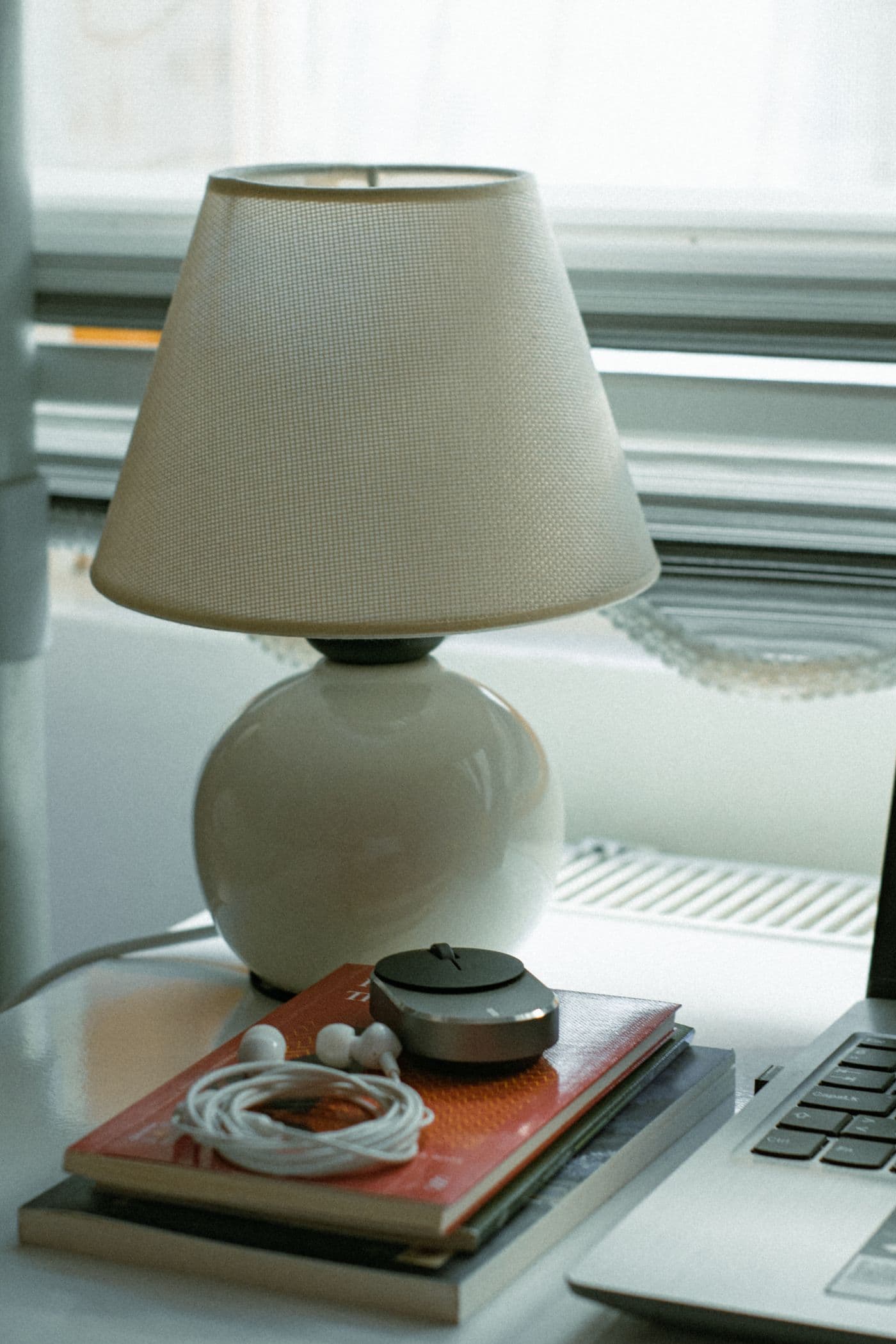
- A bright light therapy lamp for the mid-afternoon dip you used to answer with coffee. A 2018 review of 68 studies found that brighter white light raised self-rated alertness in 28 of the 45 that tested it. The other 17 found nothing, and only 2 of 16 found an effect on reaction-time tests. The review was largely funded by a lighting manufacturer. A reasonable experiment, no more.
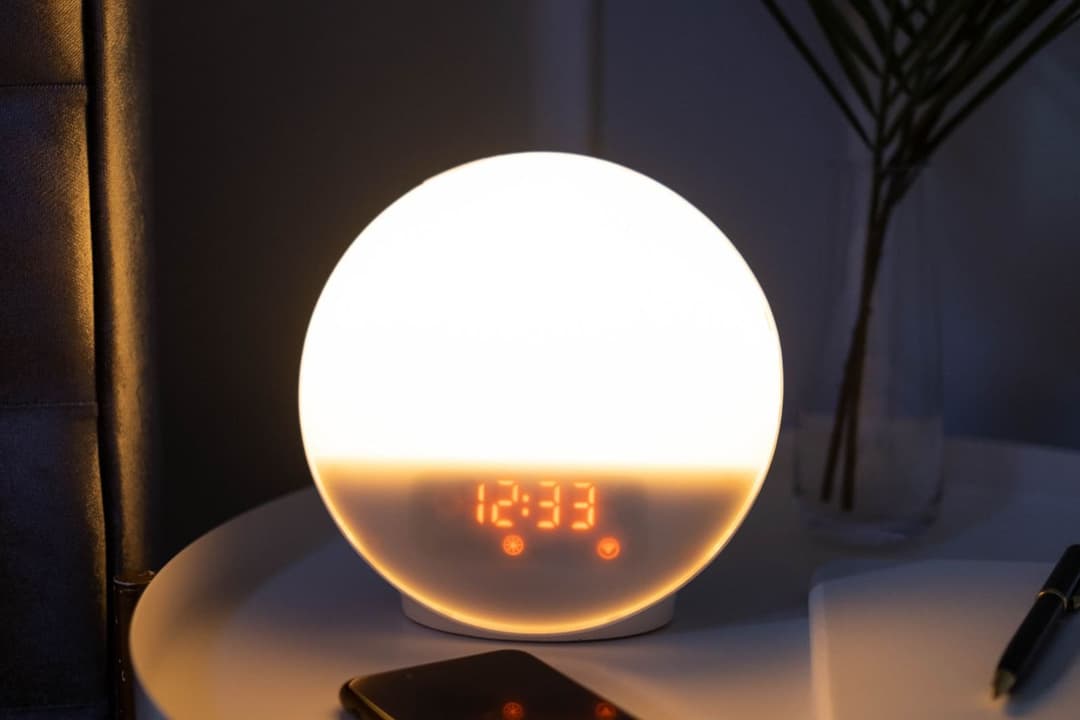
- A sunrise alarm clock, so the morning starts with less of a fog. In two small trials, of 16 and 8 people who found waking difficult, half an hour of simulated dawn before the alarm left them feeling more alert afterwards. The larger trial had financial support from the maker of the wake-up light it tested.
Where people go wrong
The commonest mistake is trusting the feeling. In Detroit, the six-hour dose cost over an hour on the monitor while the diaries showed no statistically significant change.
The second is the opposite: treating 8.8 hours as a law of nature. It is a model estimate, the point at which the pooled studies could no longer detect a loss of total sleep time from a 107 mg cup. Those studies used healthy adults aged 18 to 65, so the figure says less about teenagers and older people. And Detroit was 12 people and one big dose.
It also can't account for you in particular. Caffeine clearance varies a lot from person to person. A 2018 review in Pharmacological Reviews lists age, sex and hormones, liver disease, obesity, smoking, diet and medications among the things that change it, on top of genetic differences in CYP1A2, the enzyme that handles 95% of the caffeine you take in. So some people need less than nine hours and some need more. Take nine as a well-supported starting point and adjust from there.
Some people shouldn't be tuning their caffeine by blog post at all. The FDA says to talk to a health care provider if you're pregnant, trying to become pregnant or breastfeeding, or if you have certain conditions or take certain medications. MedlinePlus adds people with sleep disorders, anxiety, arrhythmia and high blood pressure to the list of those who may need to limit it.
The short version
Nine hours before bed for a normal coffee. Longer for anything big. Tea is the safer afternoon drink. You get to keep the coffee.
This article is general information, not medical advice. If you regularly struggle to fall asleep or stay asleep even after moving your caffeine earlier, see a doctor.
Products mentioned
 Save $10
20 minutes of bright, UV-free light with breakfast anchors tonight's sleep.
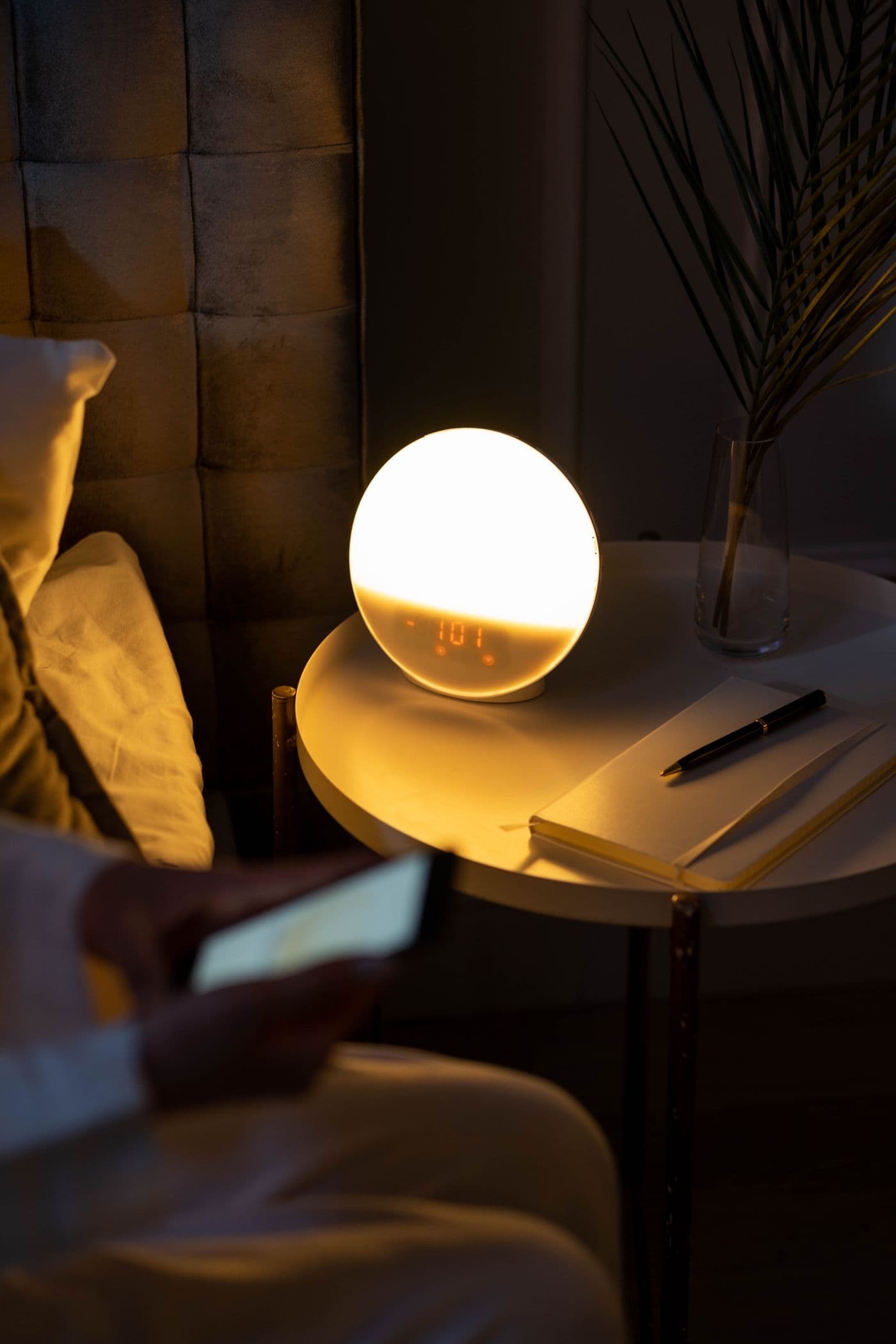
Brightens gradually over 30 minutes so you wake before the sound does.
Sources
- Gardiner C, Weakley J, Burke LM, et al. (2023). The effect of caffeine on subsequent sleep: a systematic review and meta-analysis. Sleep Medicine Reviews, 69:101764 — https://pubmed.ncbi.nlm.nih.gov/36870101/
- Drake C, Roehrs T, Shambroom J, Roth T (2013). Caffeine effects on sleep taken 0, 3, or 6 hours before going to bed. Journal of Clinical Sleep Medicine, 9(11):1195-1200 — https://pubmed.ncbi.nlm.nih.gov/24235903/
- American Academy of Sleep Medicine (14 Nov 2013). Late afternoon and early evening caffeine can disrupt sleep at night — https://aasm.org/late-afternoon-and-early-evening-caffeine-can-disrupt-sleep-at-night/
- Nehlig A (2018). Interindividual differences in caffeine metabolism and factors driving caffeine consumption. Pharmacological Reviews, 70(2):384-411 — https://pubmed.ncbi.nlm.nih.gov/29514871/
- U.S. Food and Drug Administration (content current as of 28 Aug 2024). Spilling the Beans: How Much Caffeine Is Too Much? — https://www.fda.gov/consumers/consumer-updates/spilling-beans-how-much-caffeine-too-much
- Reed DL, Sacco WP (2016). Measuring sleep efficiency: what should the denominator be? Journal of Clinical Sleep Medicine, 12(2):263-266 — https://pubmed.ncbi.nlm.nih.gov/26194727/
- MedlinePlus, NIH National Library of Medicine (updated 8 Sep 2021). Caffeine — https://medlineplus.gov/caffeine.html
- CDC/NCHS Data Brief No. 559 (April 2026). Short Sleep Duration and Sleep Difficulties Among Adults: United States, 2024 — https://www.cdc.gov/nchs/products/databriefs/db559.htm
- NHLBI, National Institutes of Health (updated 24 Mar 2022). Sleep Phases and Stages — https://www.nhlbi.nih.gov/health/sleep/stages-of-sleep
- Souman JL, Tinga AM, Te Pas SF, van Ee R, Vlaskamp BNS (2018). Acute alerting effects of light: a systematic literature review. Behavioural Brain Research, 337:228-239 — https://pubmed.ncbi.nlm.nih.gov/28912014/
- Van de Werken M, Gimenez MC, de Vries B, Beersma DG, Van Someren EJ, Gordijn MC (2010). Effects of artificial dawn on sleep inertia, skin temperature, and the awakening cortisol response. Journal of Sleep Research, 19(3):425-435 — https://pubmed.ncbi.nlm.nih.gov/20408928/
- Thompson A, Jones H, Gregson W, Atkinson G (2014). Effects of dawn simulation on markers of sleep inertia and post-waking performance in humans. European Journal of Applied Physiology, 114(5):1049-1056 — https://pubmed.ncbi.nlm.nih.gov/24509892/